Blog

Why a Podiatrist Can Be a Pregnant Woman’s Best Friend

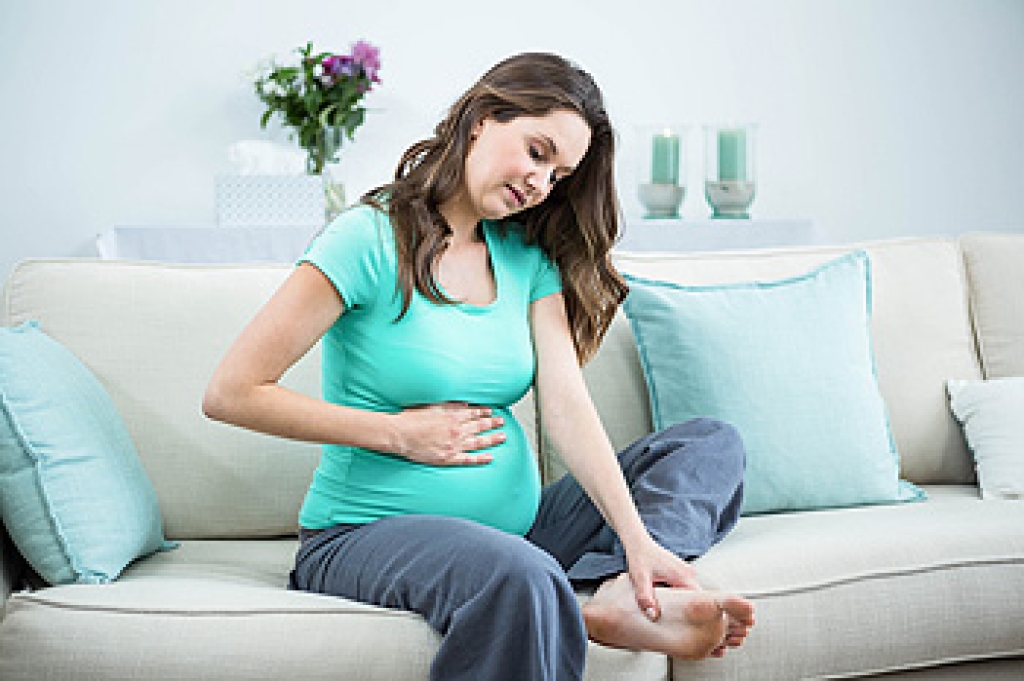
Everything swells when you are pregnant, and your feet and ankles are no exception. This swelling (edema) during pregnancy is caused when your body produces and retains more blood and fluids to feed the growing baby in your uterus. The inordinate amount of pressure that the uterus places on blood vessels causes them to struggle with pumping blood back out of your feet and legs. Also, the extra fluids your body creates during pregnancy tend to gather in the lower extremities during the day when you are standing and sitting. You can help ease the symptoms of edema by wearing comfortable shoes, drinking plenty of water, and taking breaks to elevate and stretch your feet throughout the day. The stress and strain of extra weight and swelling can lead to other conditions in your feet such as corns, calluses, pain, and overpronation—where the foot flattens and rolls inwardly while walking. A podiatrist is an important part of a woman’s medical team during pregnancy. They can give professional advice on exercises and footwear, treat uncomfortable foot and ankle conditions, and prescribe custom orthotics to help ease pain and distribute excess weight more evenly across the feet.

Pregnant women with swollen feet can be treated with a variety of different methods that are readily available. For more information about other cures for swollen feet during pregnancy, consult with Dr. Stephen Petrofsky from Florida. Our doctor will attend to all of your foot and ankle needs.

What Foot Problems Can Arise During Pregnancy?

One problem that can occur is overpronation, which occurs when the arch of the foot flattens and tends to roll inward.  This can cause pain and discomfort in your heels while you’re walking or even just standing up, trying to support your baby.  

Another problem is edema, or swelling in the extremities. This often affects the feet during pregnancy but tends to occur in the later stages. 

How Can I Keep My Feet Healthy During Pregnancy?

  • Wearing orthotics can provide extra support for the feet and help distribute weight evenly
  • Minimize the amount of time spent walking barefoot
  • Wear shoes with good arch support
  • Wear shoes that allow for good circulation to the feet
  • Elevate feet if you experience swelling
  • Massage your feet
  • Get regular, light exercise, such as walking, to promote blood circulation to the feet

If you have any questions, please feel free to contact our office located in Port Charlotte, FL . We offer the newest diagnostic and treatment technologies for all your foot care needs.

Read more about Foot Care for Pregnant Women

Wounds That Don't Heal Need to Be Checked

Your feet are covered most of the day. If you're diabetic, periodic screening is important for good health. Numbness is often a sign of diabetic foot and can mask a sore or wound.

What Causes Heel Spurs?

Heel spurs can form when calcium deposits create bony protrusions on the heel bone.  Over time, these deposits develop due to issues such as arthritis or inflammation of the Achilles tendon (known as Achilles tendonitis) or the plantar fascia (known as plantar fasciitis). In fact, plantar fasciitis, which occurs when there is inflammation in tissues running along the bottom of the foot, is the most common issue that causes heel spurs, leading to roughly half of all cases. Common signs of heel spurs may include pain, tenderness, swelling, and difficulty walking. There can be a variety of different causes as to why you may be struggling with heel pain. Therefore, consulting with a podiatrist for a proper diagnosis and treatment method is suggested.  

Heel spurs can be incredibly painful and sometimes may make you unable to participate in physical activities. To get medical care for your heel spurs, contact Dr. Stephen Petrofsky from Florida. Our doctor will do everything possible to treat your condition.

Heels Spurs

Heel spurs are formed by calcium deposits on the back of the foot where the heel is. This can also be caused by small fragments of bone breaking off one section of the foot, attaching onto the back of the foot. Heel spurs can also be bone growth on the back of the foot and may grow in the direction of the arch of the foot.

Older individuals usually suffer from heel spurs and pain sometimes intensifies with age. One of the main condition's spurs are related to is plantar fasciitis.

Pain

The pain associated with spurs is often because of weight placed on the feet. When someone is walking, their entire weight is concentrated on the feet. Bone spurs then have the tendency to affect other bones and tissues around the foot. As the pain continues, the feet will become tender and sensitive over time.

Treatments

There are many ways to treat heel spurs. If one is suffering from heel spurs in conjunction with pain, there are several methods for healing. Medication, surgery, and herbal care are some options.

If you have any questions, please feel free to contact our office located in Port Charlotte, FL . We offer the newest diagnostic and treatment technologies for all your foot care needs.
Read more about Heel Spurs

Strategies to Help Prevent Gout

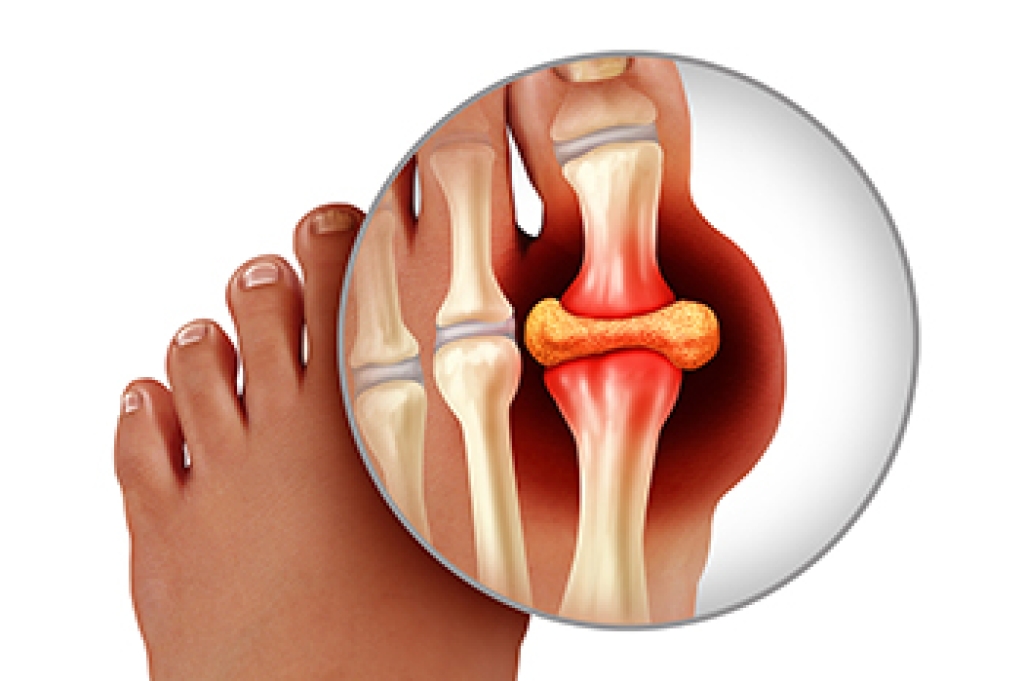
Gout is a type of arthritis caused by buildup of uric acid in the bloodstream. This chemical can build up and crystallize in the joints, particularly the big toe joint, causing sudden and severe joint pain, swelling, stiffness, and inflammation. If you have had a previous gout flareup, or have a family history of gout, learning and utilizing certain prevention strategies can help you avoid future painful flare ups. Consuming a diet low in purines, a chemical found in red meat, shellfish, and other types of food, which is converted to uric acid in the body, can also lower your risk of gout. Staying hydrated by drinking plenty of water can reduce uric acid crystal formation in the kidneys. Losing excess weight, exercising regularly, and avoiding excessive consumption of alcohol and sugary beverages may also help. Certain medications may be prescribed by your doctor to lower uric acid levels in the body. To learn more about preventing and managing gout, please consult with a podiatrist. 

Gout is a painful condition that can be treated. If you are seeking treatment, contact Dr. Stephen Petrofsky from Florida. Our doctor will treat your foot and ankle needs.

What Is Gout?

Gout is a form of arthritis that is characterized by sudden, severe attacks of pain, redness, and tenderness in the joints. The condition usually affects the joint at the base of the big toe. A gout attack can occur at any random time, such as the middle of the night while you are asleep.

Symptoms

  • Intense Joint Pain - Usually around the large joint of your big toe, and it most severe within the first four to twelve hours
  • Lingering Discomfort - Joint discomfort may last from a few days to a few weeks
  • Inflammation and Redness -Affected joints may become swollen, tender, warm and red
  • Limited Range of Motion - May experience a decrease in joint mobility

Risk Factors

  • Genetics - If family members have gout, you’re more likely to have it
  • Medications - Diuretic medications can raise uric acid levels
  • Gender/Age - Gout is more common in men until the age of 60. It is believed that estrogen protects women until that point
  • Diet - Eating red meat and shellfish increases your risk
  • Alcohol - Having more than two alcoholic drinks per day increases your risk
  • Obesity - Obese people are at a higher risk for gout

Prior to visiting your podiatrist to receive treatment for gout, there are a few things you should do beforehand. If you have gout you should write down your symptoms--including when they started and how often you experience them, important medical information you may have, and any questions you may have. Writing down these three things will help your podiatrist in assessing your specific situation so that he or she may provide the best route of treatment for you.

If you have any questions, please feel free to contact our office located in Port Charlotte, FL . We offer the newest diagnostic and treatment technologies for all your foot care needs.

Read more about Everything You Need to Know About Gout

Why Do My Ankles Hurt After Running?

Runners take hundreds of steps per minute while they run. During each step, a large amount of force is transmitted through the foot, ankle, and leg. The ankle takes most of the force, so it should come as no surprise that runners often experience ankle pain. There are several factors that contribute to ankle pain while running. Muscle imbalances and weakness or tightness in some part of the foot, ankle, or calf, can change the way force is distributed while you run, putting more pressure on the ankles and leading to injuries. Repetitive overuse from intense bursts of running and not giving yourself enough time to fully recover can also cause or worsen ankle pain. Previous injuries, such as an ankle sprain that hasn’t completely healed or hasn’t healed properly, can increase the risk of future ankle injuries as well. It is important to wear properly fitted, supportive shoes while you run. If you are a runner suffering from ankle pain, it is suggested that you seek the care of a podiatrist. 

All runners should take extra precaution when trying to avoid injury. If you have any concerns about your feet, contact Dr. Stephen Petrofsky of Florida. Our doctor will treat your foot and ankle needs.

How to Prevent Running Injuries

There are a lot of mistakes a runner can make prior to a workout that can induce injury. A lot of athletes tend to overstretch before running, instead of saving those workouts for a post-run routine. Deep lunges and hand-to-toe hamstring pulls should be performed after a workout instead of during a warmup. Another common mistake is jumping into an intense routine before your body is physically prepared for it. You should try to ease your way into long-distance running instead of forcing yourself to rush into it.

More Tips for Preventing Injury

  • Incorporate Strength Training into Workouts - This will help improve the body’s overall athleticism
  • Improve and Maintain Your Flexibility – Stretching everyday will help improve overall performance
  • “Warm Up” Before Running and “Cool Down” Afterward – A warm up of 5-10 minutes helps get rid of lactic acid in the muscles and prevents delayed muscle soreness
  • Cross-Training is Crucial
  • Wear Proper Running Shoes
  • Have a Formal Gait Analysis – Poor biomechanics can easily cause injury

If you have any questions, please feel free to contact our office located in Port Charlotte, FL . We offer the newest diagnostic and treatment technologies for all your foot care needs.

Read more about Preventing Running Injuries
Connect with us