Blog

Do I Need to See a Podiatrist for Flat Feet?

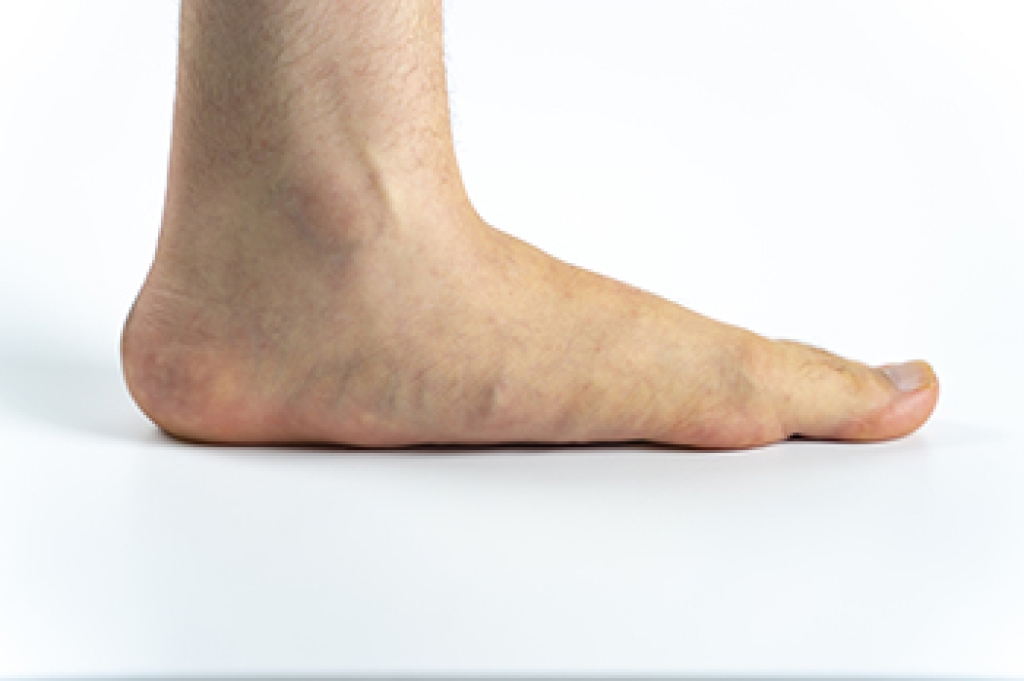
When the feet are pressed flat while standing, this can often be a result of the condition known as flat feet or fallen arches. Usually, flat feet are not serious and do not need treatment. They should not interfere with your daily physical activities either. However, in more serious cases, patients with flat feet should consult with a podiatrist. Common reasons a podiatrist should be consulted include flat feet that are painful, stiff, or weak. Patients who have flat feet and often injure their feet or ankles, have a balance problem, or have only one foot that is affected, should consult with a podiatrist as well. For certain cases of flat feet, surgery may be necessary, but in most cases, a podiatrist will be able to suggest proper footwear and exercises in order to treat this condition.

Flatfoot is a condition many people suffer from. If you have flat feet, contact Dr. Stephen Petrofsky from Florida. Our doctor will treat your foot and ankle needs.

What Are Flat Feet?

Flatfoot is a condition in which the arch of the foot is depressed and the sole of the foot is almost completely in contact with the ground. About 20-30% of the population generally has flat feet because their arches never formed during growth.

Conditions & Problems:

Having flat feet makes it difficult to run or walk because of the stress placed on the ankles.

Alignment – The general alignment of your legs can be disrupted, because the ankles move inward which can cause major discomfort.

Knees – If you have complications with your knees, flat feet can be a contributor to arthritis in that area.  

Symptoms

  • Pain around the heel or arch area
  • Trouble standing on the tip toe
  • Swelling around the inside of the ankle
  • Flat look to one or both feet
  • Having your shoes feel uneven when worn

Treatment

If you are experiencing pain and stress on the foot you may weaken the posterior tibial tendon, which runs around the inside of the ankle. 

If you have any questions, please feel free to contact our office located in Port Charlotte, FL . We offer the newest diagnostic and treatment technologies for all your foot care needs.

Read more about Flat Feet

What to Consider Before Bunion Surgery

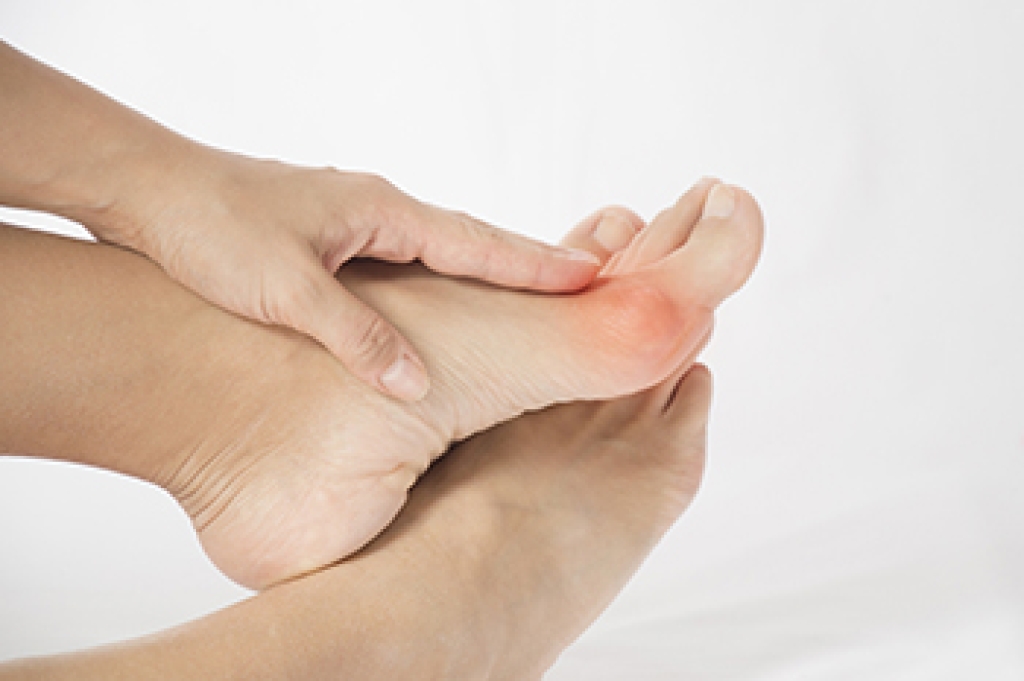
A bunion is a common foot deformity characterized by a bony bump that forms at the base of the big toe joint. The bump can become inflamed, red, swollen, and painful. It also pushes the big toe out of alignment, so that it is tilted toward the smaller toes instead of pointing straight ahead. Bunions progressively worsen without treatment, and surgery is often the only option to permanently remove them. That said, there are many things to consider prior to making the decision to operate. Certain underlying health conditions, such as diabetes, rheumatoid arthritis, and gout, can increase the risk of complications from surgery. It is also important to think about your lifestyle. Do you intend to wear high heels, exercise, or stand for prolonged periods of time? These factors can help your podiatrist determine if bunion surgery is the right treatment option for you. For more information about bunions, please consult with a podiatrist. 

If you are suffering from bunion pain, contact Dr. Stephen Petrofsky of Florida. Our doctor can provide the care you need to keep you pain-free and on your feet.

What Is a Bunion?

Bunions are painful bony bumps that usually develop on the inside of the foot at the joint of the big toe. As the deformity increases over time, it may become painful to walk and wear shoes. Women are more likely to exacerbate existing bunions since they often wear tight, narrow shoes that shift their toes together. Bunion pain can be relieved by wearing wider shoes with enough room for the toes.

Causes

  • Genetics – some people inherit feet that are more prone to bunion development
  • Inflammatory Conditions - rheumatoid arthritis and polio may cause bunion development

Symptoms

  • Redness and inflammation
  • Pain and tenderness
  • Callus or corns on the bump
  • Restricted motion in the big toe

In order to diagnose your bunion, your podiatrist may ask about your medical history, symptoms, and general health. Your doctor might also order an x-ray to take a closer look at your feet. Nonsurgical treatment options include orthotics, padding, icing, changes in footwear, and medication. If nonsurgical treatments don’t alleviate your bunion pain, surgery may be necessary.

If you have any questions, please feel free to contact our office located in Port Charlotte, FL . We offer the newest diagnostic and treatment technologies for all your foot care needs.
Read more about Bunions

Do Your Child's Feet Hurt?

Have your child's feet been examined lately? Healthy feet are happy feet. If your child is complaining of foot pain, it may be a sign of underlying problems.

The Three Types of Orthotics

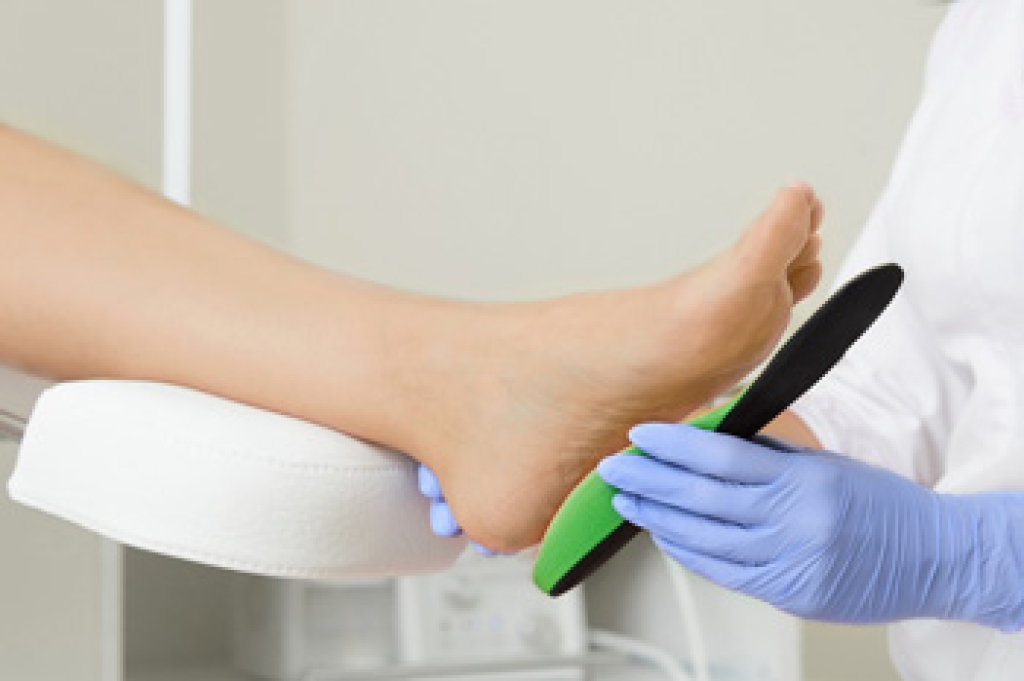
Orthotics are special shoe inserts that are designed to help correct a variety of foot related issues by relieving pressure or realigning the feet. They can also help reduce pain in the feet, knees, and lower back. There are three common types of orthotics known as soft, rigid, and semi-rigid. Soft orthotics are made to provide extra cushioning while the foot is planted on the ground. Semi-rigid orthotics, which are often used on flat feet, are designed to provide both cushioning and stability. Meanwhile, rigid orthotics are designed to provide stability and to help prevent movements that can cause pain. Patients who believe that orthotics are right for them should visit a podiatrist. A podiatrist will be able to customize an orthotic and tailor it to your needs.

If you are having discomfort in your feet and would like to try orthotics, contact Dr. Stephen Petrofsky from Florida. Our doctor can provide the care you need to keep you pain-free and on your feet.

What Are Orthotics?

Orthotics are inserts you can place into your shoes to help with a variety of foot problems such as flat feet or foot pain. Orthotics provide relief and comfort for minor foot and heel pain but can’t correct serious biomechanical problems in your feet.

Over-the-Counter Inserts

Orthotics come in a wide variety of over-the-counter inserts that are used to treat foot pain, heel pain, and minor problems. For example, arch supports can be inserted into your shoes to help correct overarched or flat feet, while gel insoles are often used because they provide comfort and relief from foot and heel pain by alleviating pressure.

Prescription Orthotics

If over-the-counter inserts don’t work for you or if you have a more severe foot concern, it is possible to have your podiatrist prescribe custom orthotics. These high-quality inserts are designed to treat problems such as abnormal motion, plantar fasciitis, and severe forms of heel pain. They can even be used to help patients suffering from diabetes by treating foot ulcers and painful calluses and are usually molded to your feet individually, which allows them to provide full support and comfort.

If you are experiencing minor to severe foot or heel pain, it’s recommended to speak with your podiatrist about the possibilities of using orthotics. A podiatrist can determine which type of orthotic is right for you and allow you to take the first steps towards being pain-free.

If you have any questions, please feel free to contact our office located in Port Charlotte, FL . We offer the newest diagnostic and treatment technologies for all your foot care needs.
Read more about Foot Orthotics

Thin Cracks in Foot Bones

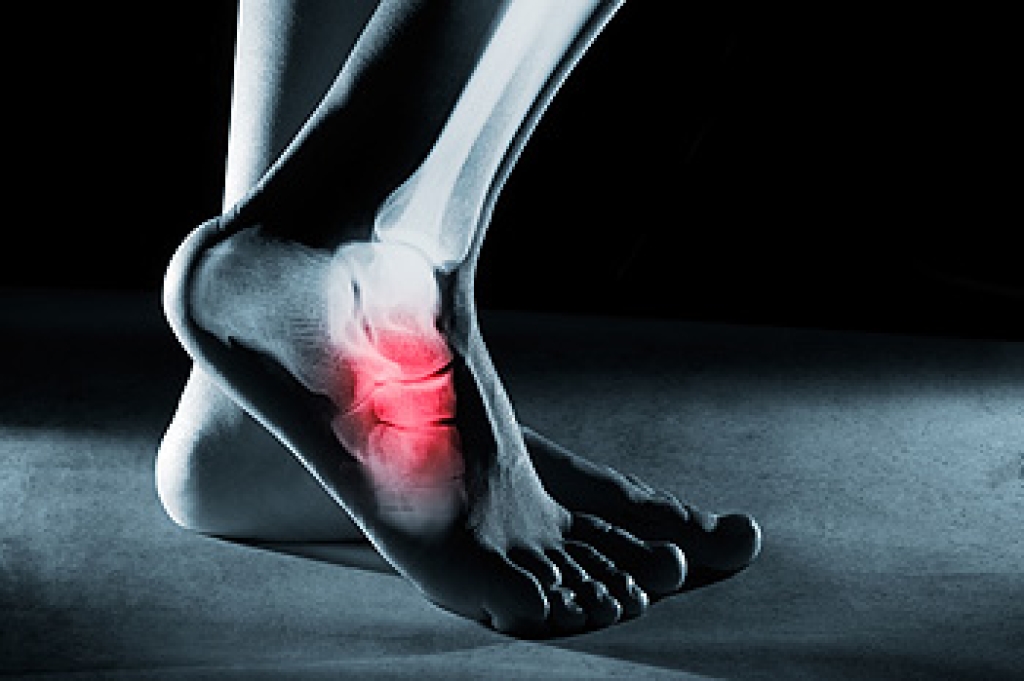
Stress fractures are very thin cracks in a bone. They are often called hairline fractures because of their thin, hair-like appearance. These fractures are typically caused by overuse. Symptoms may include pain which develops gradually in a generalized area, swelling, tenderness, and difficulty bearing weight on the affected foot. A podiatrist can diagnose a stress fracture through a physical examination and X-ray, MRI, or bone scan. Stress fractures are particularly common among runners, basketball players, and ballet dancers. A stress fracture in the foot can affect any of the foot bones, but is usually found on the metatarsal, navicular, calcaneal, medial malleolus, or talus bones. If you suspect that you may have a stress fracture, please seek the care of a podiatrist.

Stress fractures occur when there is a tiny crack within a bone. To learn more, contact Dr. Stephen Petrofsky from Florida. Our doctor can provide the care you need to keep you pain free and on your feet.

How Are They Caused?

Stress fractures are the result of repetitive force being placed on the bone. Since the lower leg and feet often carry most of the body’s weight, stress fractures are likely to occur in these areas. If you rush into a new exercise, you are more likely to develop a stress fracture since you are starting too much, too soon.  Pain resulting from stress fractures may go unnoticed at first, however it may start to worsen over time.

Risk Factors

  • Gender – They are more commonly found in women compared to men.
  • Foot Problems – People with unusual arches in their feet are more likely to develop stress fractures.
  • Certain Sports – Dancers, gymnasts, tennis players, runners, and basketball players are more likely to develop stress fractures.
  • Lack of Nutrients – A lack of vitamin D and calcium may weaken the bones and make you more prone to stress fractures
  • Weak Bones – Osteoporosis can weaken the bones therefore resulting in stress fractures

Stress fractures do not always heal properly, so it is important that you seek help from a podiatrist if you suspect you may have one. Ignoring your stress fracture may cause it to worsen, and you may develop chronic pain as well as additional fractures.

If you have any questions please contact our office located in Port Charlotte, FL . We offer the newest diagnostic and treatment technologies for all your foot and ankle needs.

Read more about Dealing with Stress Fractures of the Foot and Ankle
Connect with us