Blog

High Heels and Morton’s Neuroma

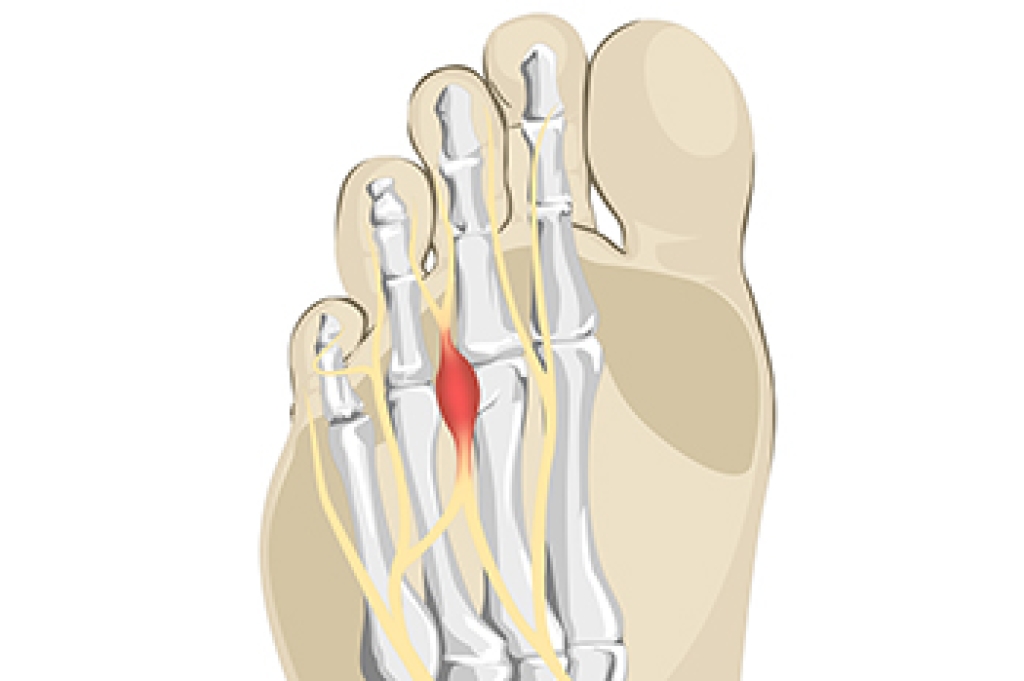
The pain that is felt from the foot condition that is known as Morton’s neuroma cannot be ignored. It is an ailment that affects the nerve that is found between the third and fourth toes, and can happen from frequently wearing high heels. These types of shoes often lack adequate room in the toe area, limiting the room for them to move freely in. This may ultimately lead to irritation and inflammation of the nerves, often causing pain and discomfort. The tissue surrounding the nerve can become thick, and patients may feel a sharp or burning pain. Additionally, people who have this type of pain may liken the sensation to walking on a marble, and often look for relief. This can be found when appropriate shoes are worn, and it is beneficial to frequently rest the affected foot. Maintaining a healthy weight may help to take the stress off of the overall foot. If you believe that you may have this condition, it is strongly suggested that you consult with a podiatrist who can effectively diagnose and treat Morton’s neuroma.

Morton’s neuroma is a very uncomfortable condition to live with. If you think you have Morton’s neuroma, contact Dr. Stephen Petrofsky of Florida. Our doctor will attend to all of your foot care needs and answer any of your related questions.  

Morton’s Neuroma

Morton's neuroma is a painful foot condition that commonly affects the areas between the second and third or third and fourth toe, although other areas of the foot are also susceptible. Morton’s neuroma is caused by an inflamed nerve in the foot that is being squeezed and aggravated by surrounding bones.

What Increases the Chances of Having Morton’s Neuroma?

  • Ill-fitting high heels or shoes that add pressure to the toe or foot
  • Jogging, running or any sport that involves constant impact to the foot
  • Flat feet, bunions, and any other foot deformities

Morton’s neuroma is a very treatable condition. Orthotics and shoe inserts can often be used to alleviate the pain on the forefront of the feet. In more severe cases, corticosteroids can also be prescribed. In order to figure out the best treatment for your neuroma, it’s recommended to seek the care of a podiatrist who can diagnose your condition and provide different treatment options.

If you have any questions, please feel free to contact our office located in Port Charlotte, FL . We offer the newest diagnostic and treatment technologies for all your foot care needs.

Read more about Morton's Neuroma

Causes of Achilles Tendon Injuries

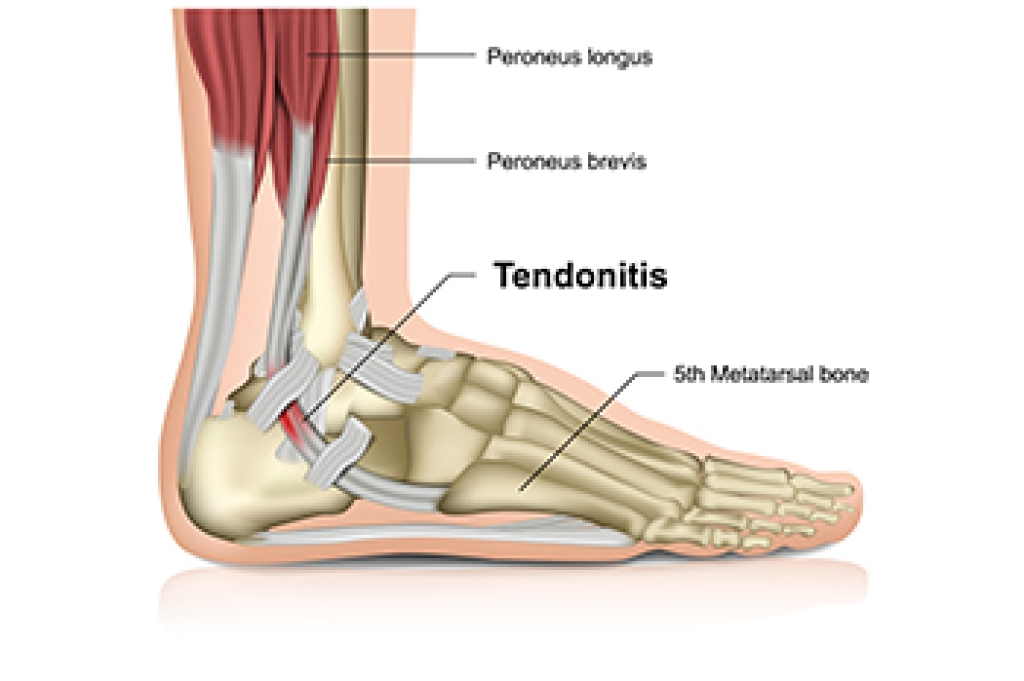
Anyone who has experienced an Achilles tendon injury is all too familiar with the intense pain this condition can cause. This is considered to be the largest tendon in the body, and its function is to connect the calf muscles to the heel. It is responsible for pushing off while walking, running, and jumping, in addition to pointing and flexing the foot. Many patients have heel pain with this type of injury, and it can happen from overuse. People who increase speed and mileage too quickly while running may be prone to a partial or fully ruptured Achilles tendon. Additionally, it may happen from standing on uneven surfaces for most of the day, or possibly from wearing shoes that do not fit correctly. This may help to weaken the tendon, and may gradually lead to the development of this type of injury. The symptoms can include tenderness in the calf and heel area, and it is often difficult to walk. It typically takes several months for this type of injury to completely heal and lifestyle changes may need to occur to avoid stress on the Achilles tendon. If you suffer from an Achilles tendon injury, it is strongly advised that you seek the counsel of a podiatrist who can offer you the correct treatment practices.

Achilles tendon injuries need immediate attention to avoid future complications. If you have any concerns, contact Dr. Stephen Petrofsky of Florida. Our doctor can provide the care you need to keep you pain-free and on your feet.

What Is the Achilles Tendon?

The Achilles tendon is a tendon that connects the lower leg muscles and calf to the heel of the foot. It is the strongest tendon in the human body and is essential for making movement possible. Because this tendon is such an integral part of the body, any injuries to it can create immense difficulties and should immediately be presented to a doctor.

What Are the Symptoms of an Achilles Tendon Injury?

There are various types of injuries that can affect the Achilles tendon. The two most common injuries are Achilles tendinitis and ruptures of the tendon.

Achilles Tendinitis Symptoms

  • Inflammation
  • Dull to severe pain
  • Increased blood flow to the tendon
  • Thickening of the tendon

Rupture Symptoms

  • Extreme pain and swelling in the foot
  • Total immobility

Treatment and Prevention

Achilles tendon injuries are diagnosed by a thorough physical evaluation, which can include an MRI. Treatment involves rest, physical therapy, and in some cases, surgery. However, various preventative measures can be taken to avoid these injuries, such as:

  • Thorough stretching of the tendon before and after exercise
  • Strengthening exercises like calf raises, squats, leg curls, leg extensions, leg raises, lunges, and leg presses

If you have any questions please feel free to contact our office located in Port Charlotte, FL . We offer the newest diagnostic tools and technology to treat your foot and ankle needs.

Read more about What are Achilles Tendon Injuries

Reminder: When Was the Last Time...?

Custom orthotics, or shoe inserts, should be periodically replaced. Orthotics must fit properly to give you the best results. Protect your feet and ankles!

Running and Stress Fractures

Individuals of all kinds can be susceptible to developing stress fractures, which are essentially tiny cracks in the bones. Runners are certainly no exception. These stress fractures are typically caused by repeated trauma of some kind. When a runner develops a stress fracture in their feet, they might be tempted to continue running despite having this condition. It is important to note that doing this can significantly delay the healing process. Additionally, running with a stress fracture might even lead to the development of some alternative foot injury because of an altered running gait to compensate for the pain of the stress fracture. Instead of running with the stress fracture, one might consider temporarily refraining from running and letting the feet heal. Contact a podiatrist today for specific treatment. 

Activities where too much pressure is put on the feet can cause stress fractures. To learn more, contact Dr. Stephen Petrofsky from Florida. Our doctor can provide the care you need to keep your pain free and on your feet.

Dealing with Stress Fractures of the Foot and Ankle

Stress fractures occur in the foot and ankle when muscles in these areas weaken from too much or too little use.  The feet and ankles then lose support when walking or running from the impact of the ground. Since there is no protection, the bones receive the full impact of each step. Stress on the feet can cause cracks to form in the bones, thus creating stress fractures.

What Are Stress Fractures?

Stress fractures occur frequently in individuals whose daily activities cause great impact on the feet and ankles. Stress factors are most common among:

  • Runners                                
  • People affected with Osteoporosis
  • Tennis or basketball players
  • Gymnasts
  • High impact workouts

Symptoms

Pain from the fractures occur in the area of the fractures and can be constant or intermittent. It will often cause sharp or dull pain with swelling and tenderness. Engaging in any kind of activity which involves high impact will aggravate pain.

If you have any questions please contact our office located in Port Charlotte, FL . We offer the newest diagnostic and treatment technologies for all your foot and ankle needs.

Read more about Stress Fractures of the Foot and Ankle

How Walking Can Benefit Pregnant Women

Experts believe that a certain amount of exercise is beneficial to women who are pregnant. One of the easiest ways to accomplish this is to develop a walking schedule. It is suggested to begin with 15 minutes three times a week at a moderate pace and work up to 30 minutes at a brisker pace. The recommended goal is 150 minutes of walking in a week. It is a good idea when embarking on any exercise regime to check with a medical professional before you begin. Be sure to wear walking shoes that offer the cushioning and support needed to account for the gradual increase in baby weight. Also, it’s a good idea to have your feet measured, as swelling that is common during pregnancy can change your foot size. It may be wise to have a companion to accompany you. It is recommended that you keep the back straight, head and eyes level, and look forward and not down when you walk. If at any time while walking you feel overtired, suddenly unwell, or in pain, stop immediately to rest. For more information, please contact a podiatrist. 

Pregnant women with swollen feet can be treated with a variety of different methods that are readily available. For more information about other cures for swollen feet during pregnancy, consult with Dr. Stephen Petrofsky from Florida. Our doctor will attend to all of your foot and ankle needs.

What Foot Problems Can Arise During Pregnancy?

One problem that can occur is overpronation, which occurs when the arch of the foot flattens and tends to roll inward.  This can cause pain and discomfort in your heels while you’re walking or even just standing up, trying to support your baby.  

Another problem is edema, or swelling in the extremities. This often affects the feet during pregnancy but tends to occur in the later stages. 

How Can I Keep My Feet Healthy During Pregnancy?

  • Wearing orthotics can provide extra support for the feet and help distribute weight evenly
  • Minimize the amount of time spent walking barefoot
  • Wear shoes with good arch support
  • Wear shoes that allow for good circulation to the feet
  • Elevate feet if you experience swelling
  • Massage your feet
  • Get regular, light exercise, such as walking, to promote blood circulation to the feet

If you have any questions, please feel free to contact our office located in Port Charlotte, FL . We offer the newest diagnostic and treatment technologies for all your foot care needs.

Read more about Pregnancy and Foot Health
Connect with us