Blog

Pickleball and Foot Injuries

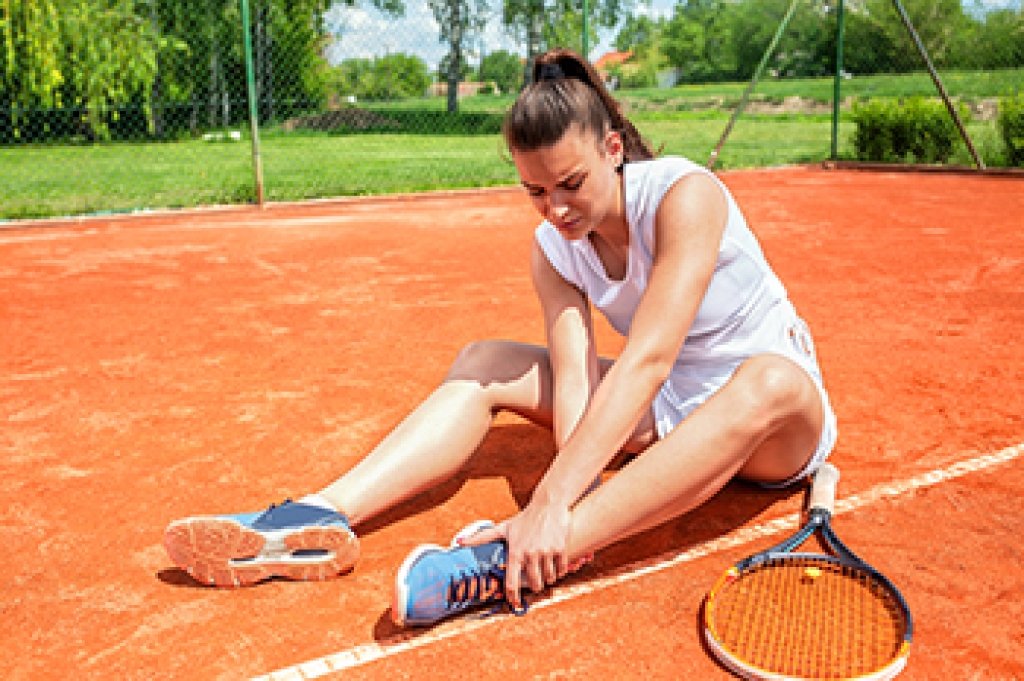
Pickleball is one of the most popular sports people are playing now because it is slower and has a lower intensity compared to other sports. However, despite it seeming to be an easier form of exercise, injuries to all parts of the body can still be sustained. Ailments from pickleball related to the feet are commonly associated with the Achilles tendon and ankles. An Achilles strain involves the tendon in the back of the ankle that connects the calf to the heel. This can happen from the sudden stop-and-go actions in pickleball and can be accompanied by a sharp, snapping feeling. Ankle sprains are injuries to the ligaments on the side of the ankle and are typically caused by missteps or faulty landings. Wearing well-fitting and supportive footwear, warming up before playing pickleball, performing stretching and strengthening exercises regularly, and using ankle braces can help. If you get injured during pickleball or any other sport, it is important to rest. If pain persists or worsens, see a podiatrist as soon as possible to get a proper diagnosis and treatment plan so you can return to pain-free play.

Sports related foot and ankle injuries require proper treatment before players can go back to their regular routines. For more information, contact Dr. Stephen Petrofsky of Florida. Our doctor can provide the care you need to keep you pain-free and on your feet.

Sports Related Foot and Ankle Injuries

Foot and ankle injuries are a common occurrence when it comes to athletes of any sport. While many athletes dismiss the initial aches and pains, the truth is that ignoring potential foot and ankle injuries can lead to serious problems. As athletes continue to place pressure and strain the area further, a mild injury can turn into something as serious as a rupture and may lead to a permanent disability. There are many factors that contribute to sports related foot and ankle injuries, which include failure to warm up properly, not providing support or wearing bad footwear. Common injuries and conditions athletes face, including:

  • Plantar Fasciitis
  • Achilles Tendinitis
  • Achilles Tendon Rupture
  • Ankle Sprains

Sports related injuries are commonly treated using the RICE method. This includes rest, applying ice to the injured area, compression and elevating the ankle. More serious sprains and injuries may require surgery, which could include arthroscopic and reconstructive surgery. Rehabilitation and therapy may also be required in order to get any recovering athlete to become fully functional again. Any unusual aches and pains an athlete sustains must be evaluated by a licensed, reputable medical professional.

If you have any questions please contact our office located in Port Charlotte, FL . We offer the newest diagnostic and treatment technologies for all your foot and ankle needs.

Read more about Sports Related Foot and Ankle Injuries

How to Deal With Corns

A corn is a thickened area of the skin, usually on the foot, that is the result of friction from the inside of a shoe. It can have a soft or hard inner core. Hard corns generally form on top of a toe, while soft corns develop between the toes. Corns on the feet are formed from repeated pressure, which causes the skin to die and harden. A hard corn is tough and thick, often with a hard center that can cause pain if pressure, or friction, is prolonged. Moisture between the toes allows corns to soften. A soft corn looks more like an open sore, as the compressed toes rub against each other within the shoe. Changing footwear to give the toes and feet more room is the first way to avoid getting a corn. Several protective pads are available in retail stores. However, if a corn is causing extreme pain, it is a good idea to visit a podiatrist to have it examined and safely removed.

Corns can make walking very painful and should be treated immediately. If you have questions regarding your feet and ankles, contact Dr. Stephen Petrofsky of Florida. Our doctor will treat your foot and ankle needs.

Corns: What Are They? And How Do You Get Rid of Them?
Corns are thickened areas on the skin that can become painful. They are caused by excessive pressure and friction on the skin. Corns press into the deeper layers of the skin and are usually round in shape.

Ways to Prevent Corns
There are many ways to get rid of painful corns such as:

  • Wearing properly fitting shoes that have been measured by a professional
  • Wearing shoes that are not sharply pointed or have high heels
  • Wearing only shoes that offer support

Treating Corns

Although most corns slowly disappear when the friction or pressure stops, this isn’t always the case. Consult with your podiatrist to determine the best treatment option for your case of corns.

If you have any questions, please feel free to contact our office located in Port Charlotte, FL . We offer the newest diagnostic and treatment technologies for all your foot care needs.

Read more about Corns and Calluses

Wounds That Don't Heal Need to Be Checked

Your feet are covered most of the day. If you're diabetic, periodic screening is important for good health. Numbness is often a sign of diabetic foot and can mask a sore or wound.

How Body Weight Can Affect the Feet

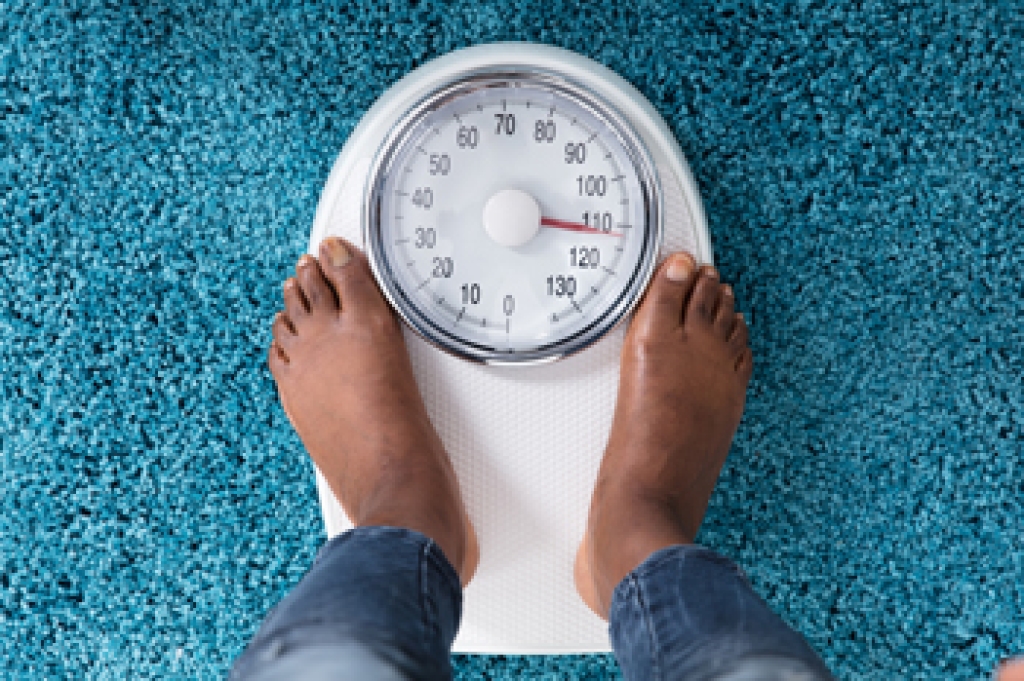
Many parts of the body become smaller when excess weight is lost, and this is also true of the feet. It is beneficial to have the feet properly measured when purchasing new shoes, and this will help to ensure a good fit. Research has indicated the feet absorb approximately 120 percent of the body’s weight, and this may explain why foot pain may occur. The excess weight may stretch tissues and muscles, in addition to natural fad pads wearing down. Additionally, the feet and ankles may swell from the added weight, and may generally feel uncomfortable. Many patients have noticed that by losing weight, their feet will feel better, and existing foot conditions may be alleviated. The bone structure of the foot may not change, but the width may be affected, and become smaller. It is beneficial to exercise as often as possible, and this can help the health of the feet. Eating foods that are low in sodium can help to diminish existing swelling, and wearing shoes may become easier. If you have questions about foot health before or after weight is lost, please consult with a podiatrist who can address any concerns you may have.

The more you weigh, the harder your feet must work to support your body. If you’re an obese individual and are concerned about your feet, contact Dr. Stephen Petrofsky from Florida. Our doctor can provide the care you need to keep you pain-free and on your feet.

Obesity and Your Feet

People who are overweight are putting more pressure on their ankles, knees, and hips as well as their feet. This unfortunately can lead to variety of different issues.

Problems & Complications Stemming from Obesity

  • When the body is overweight, it tries to compensate by changing the way that it moves. An obese person may lean forward and put extra weight on the wrong part of the foot. This puts unnecessary stress on the feet.
  • Obese people are also more likely to develop type II diabetes which is a condition that causes a lot of foot problems. People with diabetes often don’t feel the cuts and sores that they may have on their feet, which can lead to more complicated and severe issues.
  • Plantar fasciitis is another foot condition that can be caused by obesity. Plantar fasciitis is an inflammation of the tissue along the bottom of the foot, which causes pain and stiffness while walking and climbing stairs.

If you have any questions please contact our office located in Port Charlotte, FL . We offer the newest diagnostic and treatment technologies for all your foot and ankle needs.
Read more about Obesity and the Feet

Two Types of Achilles Tendon Injuries

The Achilles tendon is a large muscle that is located in the back bottom portion of the leg that connects the heel to the calf muscles. It can become inflamed from an injury and is often painful. Achilles tendinitis can occur from overuse and there are two categories of this type of injury. Noninsertional Achilles tendinitis may be more prevalent among younger people who are active and it targets the middle of the tendon as small tears develop. The lower portion of the tendon can be affected by insertional Achilles tendinitis, where it attaches to the heel bone. People who are not physically active may be more prone to getting this type of injury. The symptoms of either type of Achilles tendon injury can include heel pain and limited range of motion, as well as feeling stiff or swollen. If you have endured an Achilles tendon injury, please seek the counsel of a podiatrist who can offer you treatment options that are right for you.

Achilles tendon injuries need immediate attention to avoid future complications. If you have any concerns, contact Dr. Stephen Petrofsky of Florida. Our doctor can provide the care you need to keep you pain-free and on your feet.

What Is the Achilles Tendon?

The Achilles tendon is a tendon that connects the lower leg muscles and calf to the heel of the foot. It is the strongest tendon in the human body and is essential for making movement possible. Because this tendon is such an integral part of the body, any injuries to it can create immense difficulties and should immediately be presented to a doctor.

What Are the Symptoms of an Achilles Tendon Injury?

There are various types of injuries that can affect the Achilles tendon. The two most common injuries are Achilles tendinitis and ruptures of the tendon.

Achilles Tendinitis Symptoms

  • Inflammation
  • Dull to severe pain
  • Increased blood flow to the tendon
  • Thickening of the tendon

Rupture Symptoms

  • Extreme pain and swelling in the foot
  • Total immobility

Treatment and Prevention

Achilles tendon injuries are diagnosed by a thorough physical evaluation, which can include an MRI. Treatment involves rest, physical therapy, and in some cases, surgery. However, various preventative measures can be taken to avoid these injuries, such as:

  • Thorough stretching of the tendon before and after exercise
  • Strengthening exercises like calf raises, squats, leg curls, leg extensions, leg raises, lunges, and leg presses

If you have any questions please feel free to contact our office located in Port Charlotte, FL . We offer the newest diagnostic tools and technology to treat your foot and ankle needs.

Read more about Achilles Tendon Injuries
Connect with us