Blog

Flat Shoes and Foot Pain

Foot pain is certainly an unpleasant condition that many Americans can experience for a variety of reasons. Sometimes, foot pain is linked to the particular kind of shoe that you are wearing. While high heels are well-known for the damaging effects they can cause to your feet, other types of shoes can have adverse effects as well. Specifically, ballet flats can cause foot pain for several reasons. When ballet flats are not well padded, they can aggravate certain foot conditions, such as Achilles tendonitis and plantar fasciitis. Often, flats fail to provide the feet with sufficient arch support, which can make one more susceptible to the aforementioned foot conditions. To make your ballet flats more beneficial to the health of your feet, your podiatrist might recommend using insoles in the flats to increase arch support. If you are someone that enjoys wearing ballet flats, it is suggested that you consider contacting a podiatrist for help.

Foot Pain

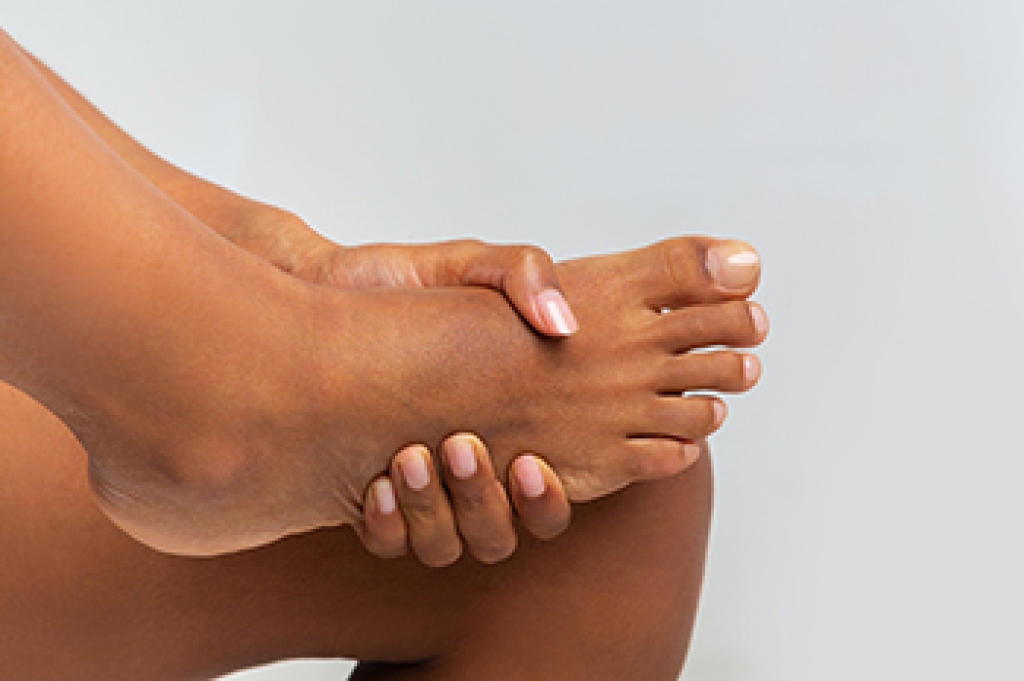
Foot pain can be extremely painful and debilitating. If you have a foot pain, consult with Dr. Stephen Petrofsky from Florida. Our doctor will assess your condition and provide you with quality foot and ankle treatment.

Causes

Foot pain is a very broad condition that could be caused by one or more ailments. The most common include:

  • Bunions
  • Hammertoes
  • Plantar Fasciitis
  • Bone Spurs
  • Corns
  • Tarsal Tunnel Syndrome
  • Ingrown Toenails
  • Arthritis (such as Gout, Rheumatoid, and Osteoarthritis)
  • Flat Feet
  • Injury (from stress fractures, broken toe, foot, ankle, Achilles tendon ruptures, and sprains)
  • And more

Diagnosis

To figure out the cause of foot pain, podiatrists utilize several different methods. This can range from simple visual inspections and sensation tests to X-rays and MRI scans. Prior medical history, family medical history, and any recent physical traumatic events will all be taken into consideration for a proper diagnosis.

Treatment

Treatment depends upon the cause of the foot pain. Whether it is resting, staying off the foot, or having surgery; podiatrists have a number of treatment options available for foot pain.

If you have any questions, please feel free to contact our office located in Port Charlotte, FL . We offer the newest diagnostic and treatment technologies for all your foot care needs.

Read more about Foot Pain

Hiking and Foot Pain

If you are a hiker, you probably relish in the fresh air and exercise hiking gives you. However, as with any other athletic pursuit, hiking can cause injury or discomfort to the feet. If feet are not well-soled, well-rested, or stretched and strengthened for hiking participation, foot problems can easily arise. Foot pain after hiking is typically symptomatic of a foot injury. Repetitive stress on the feet or carrying a heavy backpack while hiking can cause such injuries. Common hiking foot injuries include capsulitis or inflammation of tissues surrounding a joint. This often happens around the ball of the foot and can lead to pain and swelling. This can also affect just one toe, and if left unattended, can lead to hammertoe. Pain might alternatively be centered in the heel area and cause a heel spur and/or plantar fasciitis. If you hike for exercise or pleasure, make sure you wear well-fitted shoes for the activity, stretching and strengthening foot exercises prior to exercising, and rest between hikes. If foot pain persists, it is suggested that you make an appointment with a podiatrist for a diagnosis and treatment plan. 

Ankle and foot injuries are common among athletes and in many sports. They can be caused by several problems and may be potentially serious. If you are feeling pain or think you were injured in a sporting event or when exercising, consult with Dr. Stephen Petrofsky from Florida. Our doctor will assess your condition and provide you with quality foot and ankle treatment.

Common Injuries

The most common injuries that occur in sporting activities include:

  • Achilles Tendonitis
  • Achilles Tendon Rupture
  • Ankle Sprains
  • Broken Foot
  • Plantar Fasciitis
  • Stress Fractures
  • Turf Toe

Symptoms

Symptoms vary depending upon the injury and in some cases, there may be no symptoms at all. However, in most cases, some form of symptom is experienced. Pain, aching, burning, bruising, tenderness, tightness or stiffness, sensation loss, difficulty moving, and swelling are the most common symptoms.

Treatment

Just as symptoms vary depending upon the injury, so do treatment options. A common treatment method is known as the RICE method. This method involves rest, applying ice, compression and elevating the afflicted foot or ankle. If the injury appears to be more serious, surgery might be required, such as arthroscopic or reconstructive surgery. Lastly, rehabilitation or therapy might be needed to gain full functionality in the afflicted area. Any discomfort experienced by an athlete must be evaluated by a licensed, reputable medical professional.  

If you have any questions please contact our office located in Port Charlotte, FL . We offer the newest diagnostic and treatment technologies for all your foot and ankle needs.

Read more about Sports Related Foot And Ankle Injuries

Gout Pain Can Be Managed

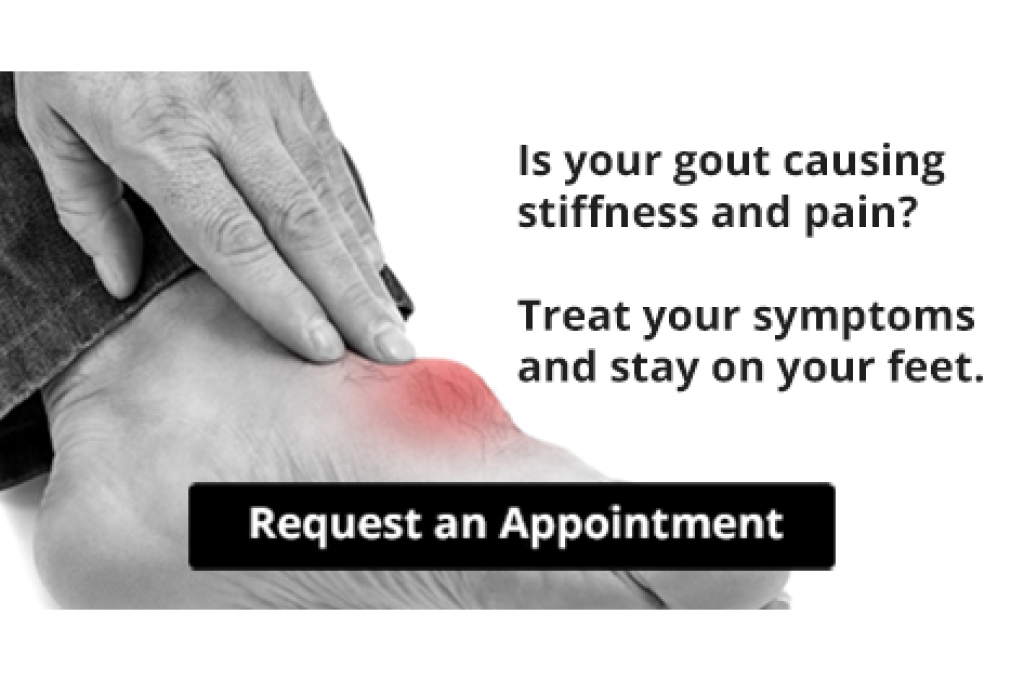
Gout is a painful, inflammatory form of arthritis. Those affected will typically feel an intense stiffness in the joints of their feet, particularly in the big toe. Schedule a visit to learn about how gout can be managed and treated.

Am I Wearing the Right Shoe Size?

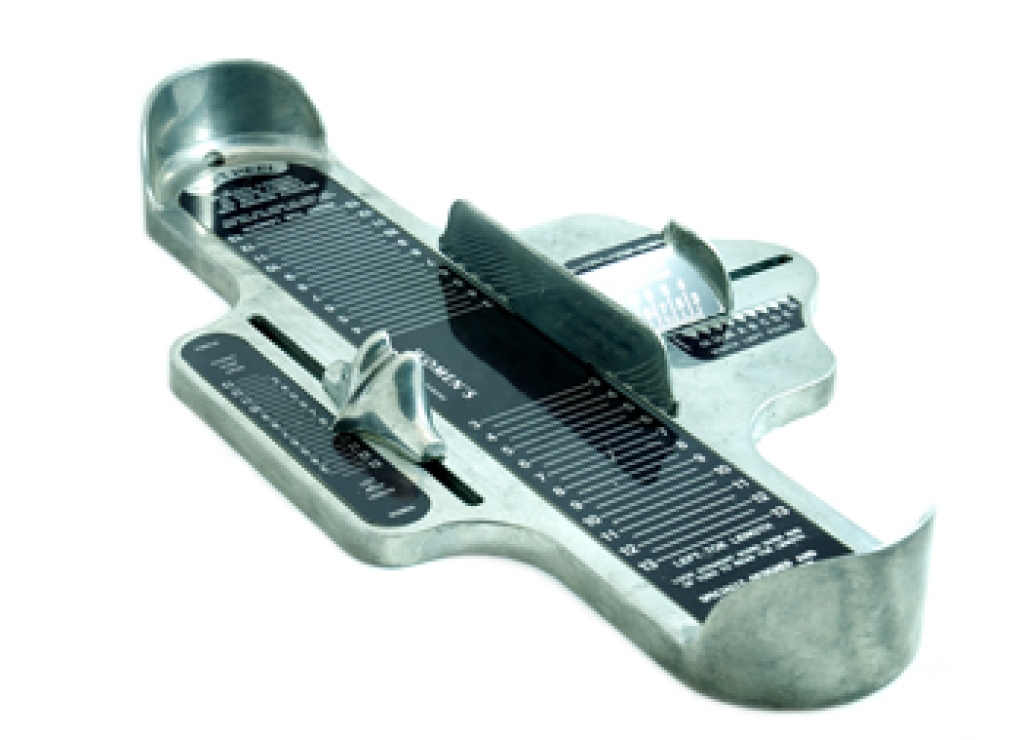
There are various ways to determine your shoe size and ensure a proper fit. Using a Brannock device is an effective measuring tool that is found in most shoe stores. However, many people opt to know their shoe size before going to the store and this can be accomplished at home. The first step is to trace the foot on a piece of paper while wearing the intended socks. This is followed by using a size conversion chart and matching the length of the traced foot to its corresponding size. When a shoe fits properly, there is adequate room for the toes to move freely, and the heel and midfoot fit snugly. It is beneficial to measure the feet each time new shoes are purchased. The best time of day to measure the feet is in the afternoon when the feet are at their largest. If you would like more information on how to find shoes that fit properly, please speak with your local podiatrist.

It is important to find shoes that fit you properly in order to avoid a variety of different foot problems. For more information about treatment, contact Dr. Stephen Petrofsky from Florida. Our doctor will treat your foot and ankle needs.

Proper Shoe Fitting

Shoes have many different functions. They cushion our body weight, protect our feet, and allow us to safely play sports. You should always make sure that the shoes you wear fit you properly in order to avoid injuries and deformities such as: bunions, corns, calluses, hammertoes, plantar fasciitis, stress fractures, and more. It is important to note that although a certain pair of shoes might be a great fit for someone else, that doesn’t mean they will be a great fit for you. This is why you should always try on shoes before buying them to make sure they are worth the investment. Typically, shoes need to be replaced ever six months to one year of regular use.

Tips for Proper Shoe Fitting

  • Select a shoe that is shaped like your foot
  • Don’t buy shoes that fit too tight, expecting them to stretch to fit
  • Make sure there is enough space (3/8” to ½”) for your longest toe at the end of each shoe when you are standing up
  • Walk in the shoes to make sure they fit and feel right
  • Don’t select shoes by the size marked inside the shoe, but by how the shoe fits your foot

The shoes you buy should always feel as good as they look. Shoes that fit properly will last longer, feel better, and improve your way of life each day.

If you have any questions please contact our office located in Port Charlotte, FL . We offer the newest diagnostic and treatment technologies for all your foot and ankle needs.

Read more about How to Get a Proper Shoe Fit

Juvenile Hallux Valgus

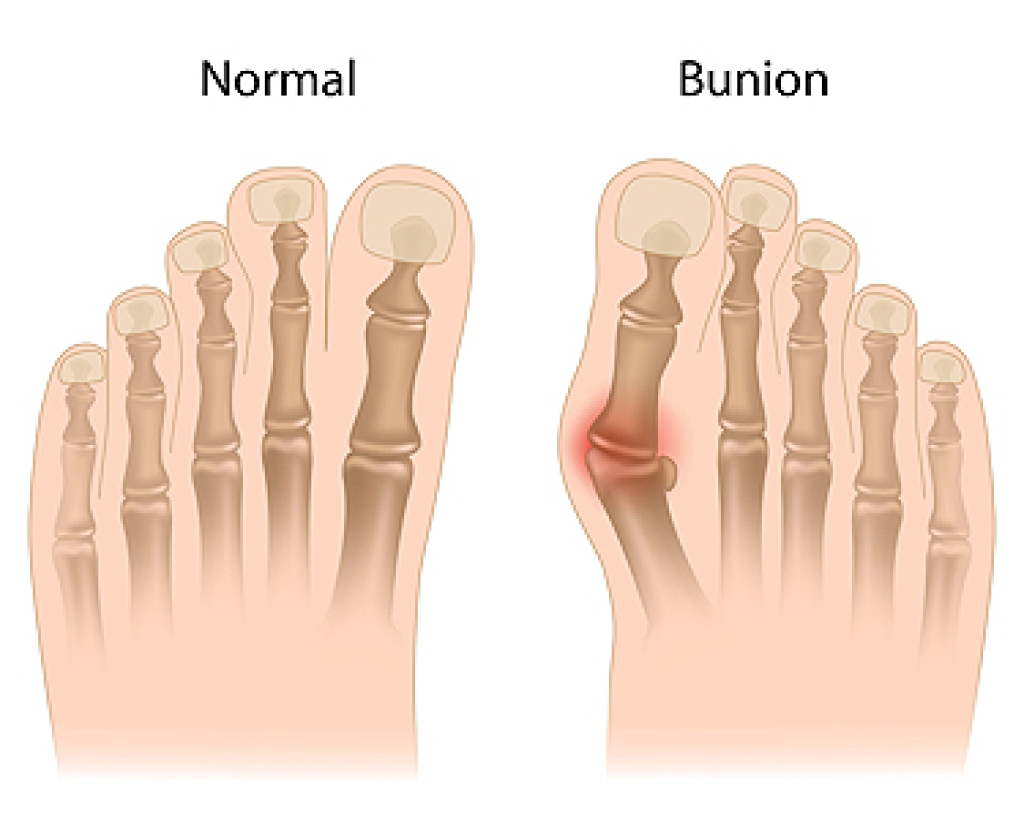
Bunions, or hallux valgus, is a surprisingly common ailment in the forefoot of children. A bunion is a bony growth that develops on the joint of the big toe and often causes this toe to lean towards the smaller toes. Having a bunion can cause pain and discomfort, particularly because the bunion rubs against shoes. Wearing wider shoes can provide mild relief, but sometimes surgery is the best option for treatment among those in this age group. This is typically successful in children because their growth plates are active, which helps with healing and readjustment of the toe joint. If your child has a bunion that is causing pain, it is suggested that you see a podiatrist for an examination and treatment options to consider.

If you are suffering from bunion pain, contact Dr. Stephen Petrofsky of Florida. Our doctor can provide the care you need to keep you pain-free and on your feet.

What Is a Bunion?

Bunions are painful bony bumps that usually develop on the inside of the foot at the joint of the big toe. As the deformity increases over time, it may become painful to walk and wear shoes. Women are more likely to exacerbate existing bunions since they often wear tight, narrow shoes that shift their toes together. Bunion pain can be relieved by wearing wider shoes with enough room for the toes.

Causes

  • Genetics – some people inherit feet that are more prone to bunion development
  • Inflammatory Conditions - rheumatoid arthritis and polio may cause bunion development

Symptoms

  • Redness and inflammation
  • Pain and tenderness
  • Callus or corns on the bump
  • Restricted motion in the big toe

In order to diagnose your bunion, your podiatrist may ask about your medical history, symptoms, and general health. Your doctor might also order an x-ray to take a closer look at your feet. Nonsurgical treatment options include orthotics, padding, icing, changes in footwear, and medication. If nonsurgical treatments don’t alleviate your bunion pain, surgery may be necessary.

If you have any questions, please feel free to contact our office located in Port Charlotte, FL . We offer the newest diagnostic and treatment technologies for all your foot care needs.
Read more about Bunions
Connect with us