Blog

Dealing With a Dislocated Toe

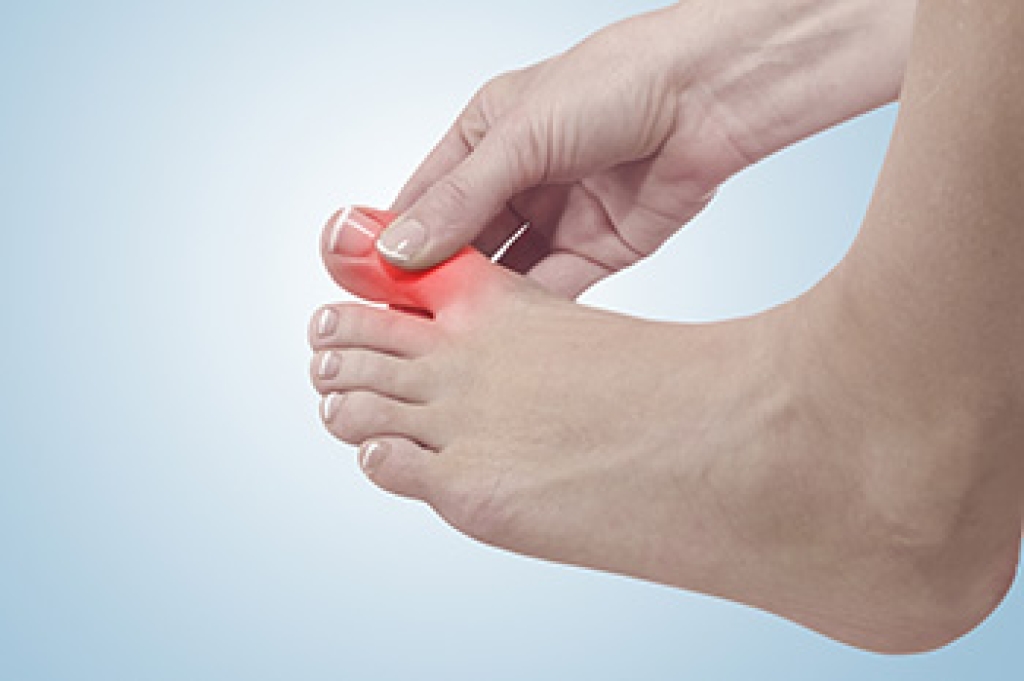
The most common cause of a dislocated toe is direct injury, either bumping into something solid or dropping something heavy on it. You most likely will feel extreme pain at the time of the injury, it will be hard to bend, or even move the toe; and it will swell, become bruised or lose feeling. Sometimes a loose ligament will cause a toe to dislocate, which is extremely painful. Avoid trying to pop the toe into place yourself, as this may cause further injury. The first thing to do is stop further activity, elevate the foot, immobilize it, and apply ice. Next, make an appointment with a podiatrist immediately. An X-ray may be required, followed by manipulating the bones back into place. Followup treatments include strapping the injured toe to the one next to it, alternating ice and heat, undergoing whirlpool treatments, and doing strengthening exercises. A podiatrist can properly diagnose the severity of your toe injury and propose the proper treatment plan for you. 

A broken toe can be very painful and lead to complications if not properly fixed. If you have any concerns about your feet, contact Dr. Stephen Petrofsky from Florida. Our doctor will treat your foot and ankle needs.

What to Know About a Broken Toe

Although most people try to avoid foot trauma such as banging, stubbing, or dropping heavy objects on their feet, the unfortunate fact is that it is a common occurrence. Given the fact that toes are positioned in front of the feet, they typically sustain the brunt of such trauma. When trauma occurs to a toe, the result can be a painful break (fracture).

Symptoms of a Broken Toe

  • Throbbing pain
  • Swelling
  • Bruising on the skin and toenail
  • The inability to move the toe
  • Toe appears crooked or disfigured
  • Tingling or numbness in the toe

Generally, it is best to stay off of the injured toe with the affected foot elevated.

Severe toe fractures may be treated with a splint, cast, and in some cases, minor surgery. Due to its position and the pressure it endures with daily activity, future complications can occur if the big toe is not properly treated.

If you have any questions, please feel free to contact our office located in Port Charlotte, FL . We offer the newest diagnostic and treatment technologies for all your foot care needs.

Read more about What to Know About a Broken Toe

Gout Pain Can Be Managed

Gout is a painful, inflammatory form of arthritis. Those affected will typically feel an intense stiffness in the joints of their feet, particularly in the big toe. Schedule a visit to learn about how gout can be managed and treated.

Who Is Prone to Sever’s Disease?

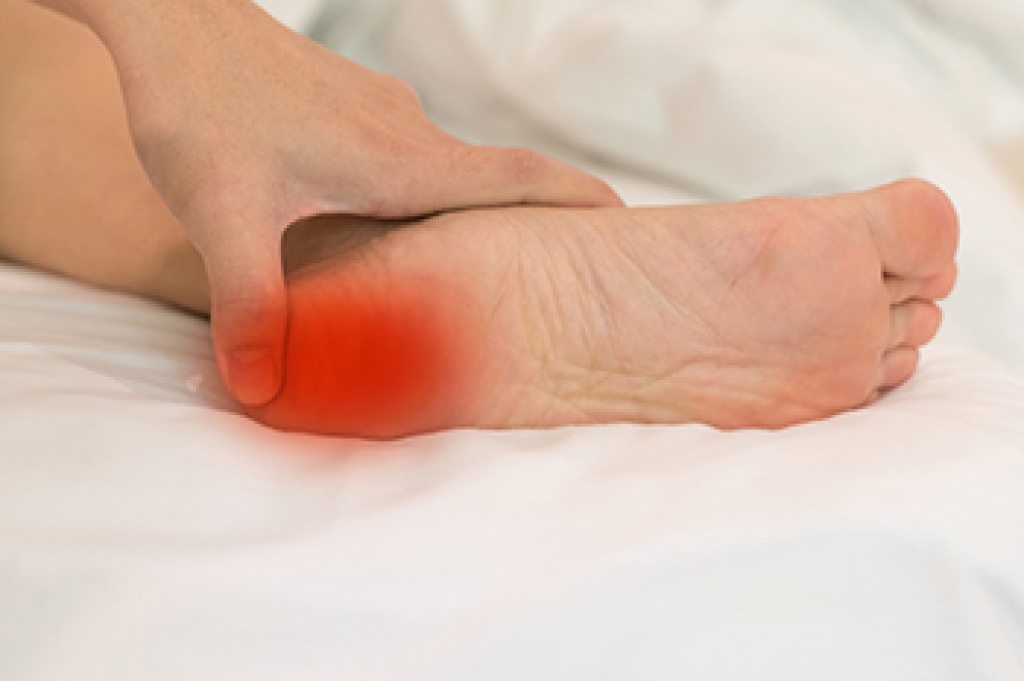
The medical term for the growth area where the plantar fascia and the Achilles tendon connect to the heel is known as the calcaneal apophysis. It starts to develop in children approximately 7 or 8 years old, and permanently fuses to the heel bone in young teenagers. Children in this age group who frequently participate in sports activities may experience a condition that is known as Sever’s disease. Common symptoms of this ailment can include intense heel pain, which can become worse when wearing shoes that have limited cushioning or arch support. Sever's disease is an irritation of the heel, which occasionally causes swelling and bruising. Successful treatment options include temporarily stopping the activity that caused the injury and resting the affected foot as often as possible. Some patients perform specific stretches that may help to increase flexibility. If you have Sever’s disease, it is suggested that you are under the care of a podiatrist who can guide you toward correct treatment options.

Sever's disease often occurs in children and teens. If your child is experiencing foot or ankle pain, see Dr. Stephen Petrofsky from Florida. Our doctor can treat your child’s foot and ankle needs.

Sever’s Disease

Sever’s disease is also known as calcaneal apophysitis, which is a medical condition that causes heel pain I none or both feet. The disease is known to affect children between the ages of 8 and 14.

Sever’s disease occurs when part of the child’s heel known as the growth plate (calcaneal epiphysis) is attached to the Achilles tendon. This area can suffer injury when the muscles and tendons of the growing foot do not keep pace with bone growth. Therefore, the constant pain which one experiences at the back of the heel will make the child unable to put any weight on the heel. The child is then forced to walk on their toes.

Symptoms

Acute pain – Pain associated with Sever’s disease is usually felt in the heel when the child engages in physical activity such as walking, jumping and or running.

Highly active – Children who are very active are among the most susceptible in experiencing Sever’s disease, because of the stress and tension placed on their feet.

If you have any questions, please feel free to contact our office located in Port Charlotte, FL . We offer the newest diagnostic and treatment technologies for all your foot care needs.
Read more about Sever's Disease

Causes of Pain in the Ball of the Foot

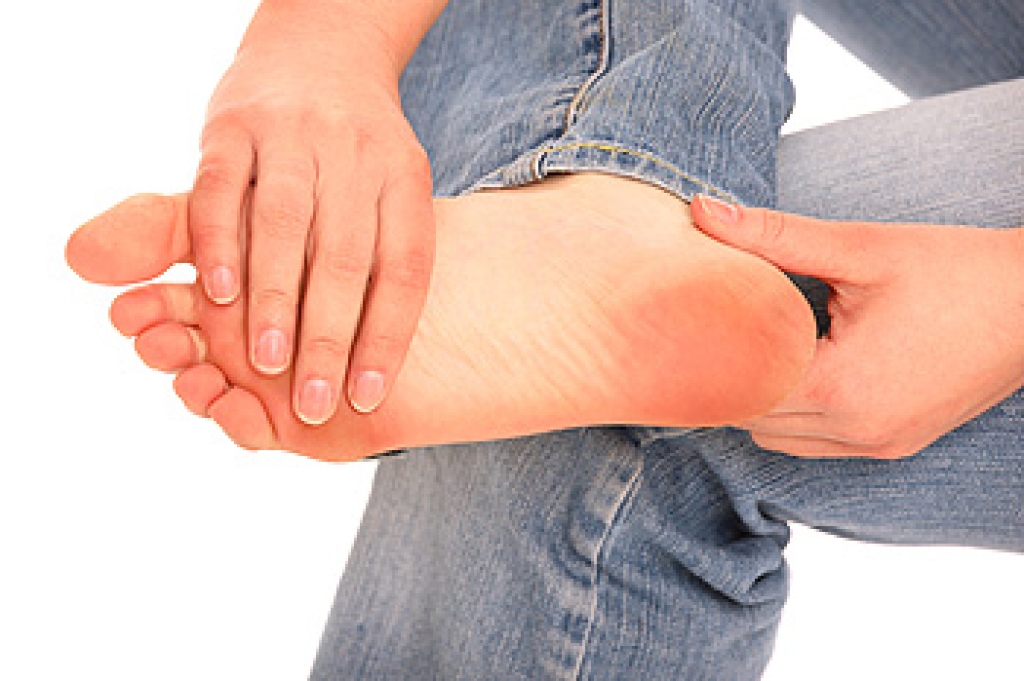
There are a number of causes for pain in the ball of the foot, known medically as metatarsalgia.  Common causes of metatarsalgia include wearing shoes that are too tight, wearing high heels, and overexercising. Deformities that may cause this condition include high arches, hammertoes, or stress fractures. Different symptoms also may indicate other causes.  For example, pain, swelling and bruising after activity may be from a sprained metatarsal (a long bone that connects the toe to the heel).  A sharp pain between the toes and the ball of the foot may be the result of Morton’s neuroma.  Arthritis can be indicated by a dull aching pain, and a hard bony lump on the big toe may be caused by a bunion. If you are experiencing pain in the ball of the foot that interferes with daily activities, it is suggested that you see a podiatrist as soon as possible for a diagnosis of the problem and options for treatment.

Foot Pain

Foot pain can be extremely painful and debilitating. If you have a foot pain, consult with Dr. Stephen Petrofsky from Florida. Our doctor will assess your condition and provide you with quality foot and ankle treatment.

Causes

Foot pain is a very broad condition that could be caused by one or more ailments. The most common include:

  • Bunions
  • Hammertoes
  • Plantar Fasciitis
  • Bone Spurs
  • Corns
  • Tarsal Tunnel Syndrome
  • Ingrown Toenails
  • Arthritis (such as Gout, Rheumatoid, and Osteoarthritis)
  • Flat Feet
  • Injury (from stress fractures, broken toe, foot, ankle, Achilles tendon ruptures, and sprains)
  • And more

Diagnosis

To figure out the cause of foot pain, podiatrists utilize several different methods. This can range from simple visual inspections and sensation tests to X-rays and MRI scans. Prior medical history, family medical history, and any recent physical traumatic events will all be taken into consideration for a proper diagnosis.

Treatment

Treatment depends upon the cause of the foot pain. Whether it is resting, staying off the foot, or having surgery; podiatrists have a number of treatment options available for foot pain.

If you have any questions, please feel free to contact our office located in Port Charlotte, FL . We offer the newest diagnostic and treatment technologies for all your foot care needs.
Read more about Foot Pain

What Causes Plantar Warts?

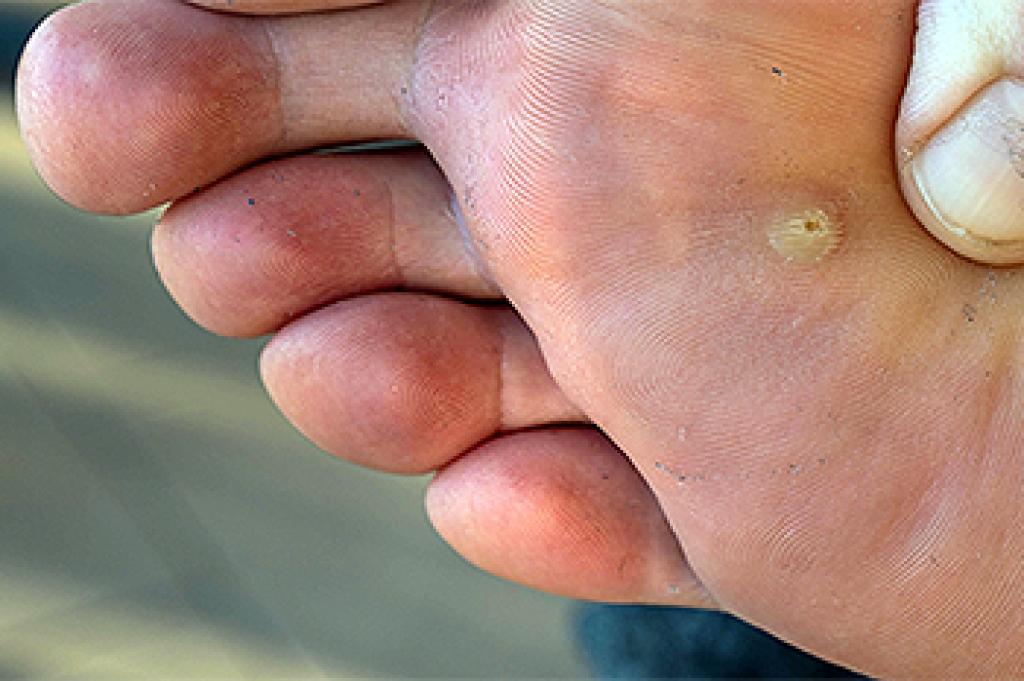
Plantar warts develop on the bottom of the feet. They grow into the skin as a result of pressure that is exerted while walking or running. They can cause severe pain and discomfort, and it can be difficult to complete daily activities. Plantar warts are associated with the human papillomavirus (HPV) and live in warm and moist areas. These can include shower room floors, public pools, and locker rooms. The virus can enter the body through small cracks in the skin and wearing appropriate shoes while in these environments can help to reduce exposure. The wart appears to be a thickened area of hard skin, and they often have small black dots in the center. There are several treatment methods available, and it is strongly advised that you consult with a podiatrist if you are afflicted with plantar warts.

Plantar warts can be very uncomfortable. If you need your feet checked, contact Dr. Stephen Petrofsky from Florida. Our doctor will assist you with all of your foot and ankle needs.

About Plantar Warts

Plantar warts are the result of HPV, or human papillomavirus, getting into open wounds on the feet. They are mostly found on the heels or balls of the feet.

While plantar warts are generally harmless, those experiencing excessive pain or those suffering from diabetes or a compromised immune system require immediate medical care. Plantar warts are easily diagnosed, usually through scraping off a bit of rough skin or by getting a biopsy.

Symptoms

  • Lesions on the bottom of your feet, usually rough and grainy
  • Hard or thick callused spots
  • Wart seeds, which are small clotted blood vessels that look like little black spots
  • Pain, discomfort, or tenderness of your feet when walking or standing

Treatment

  • Freezing
  • Electric tool removal
  • Laser Treatment
  • Topical Creams (prescription only)
  • Over-the-counter medications

To help prevent developing plantar warts, avoid walking barefoot over abrasive surfaces that can cause cuts or wounds for HPV to get into. Avoiding direct contact with other warts, as well as not picking or rubbing existing warts, can help prevent the further spread of plantar warts. However, if you think you have developed plantar warts, speak to your podiatrist. He or she can diagnose the warts on your feet and recommend the appropriate treatment options.

If you have any questions, please feel free to contact our office located in Port Charlotte, FL . We offer the newest diagnostic and treatment technologies for all your foot care needs.

Read more about What Are Plantar Warts?
Connect with us