Blog

Is Having Flat Feet a Problem?

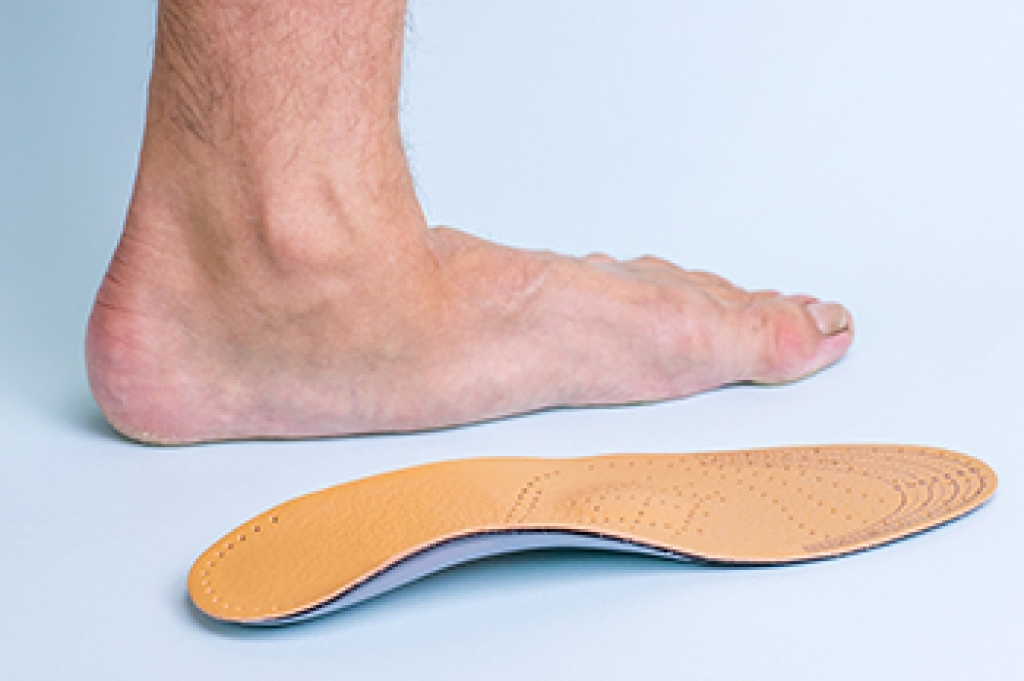
Having flat feet is when one stands on a flat surface and their entire foot is in contact with that surface, with no visible arch. This condition used to be considered a problem and even used to bar one from military service. While flat feet can be an indicator of poor biomechanics or walking style, they do not always cause problems. Babies are born with flat feet and do not have a foot arch until it is filled with fat as they develop. If the arch drops later in life, it is known as acquired flat foot.  This is sometimes associated with problems, like excessive pronation or the foot rolling inward and lowering the arch closer to the ground. Problems with the feet can lead to problems elsewhere in the body, such as knees, hips, and the back. If you have flat feet and they cause you pain, see a podiatrist for an examination and guidance.

Flatfoot is a condition many people suffer from. If you have flat feet, contact Dr. Stephen Petrofsky from Florida. Our doctor will treat your foot and ankle needs.

What Are Flat Feet?

Flatfoot is a condition in which the arch of the foot is depressed and the sole of the foot is almost completely in contact with the ground. About 20-30% of the population generally has flat feet because their arches never formed during growth.

Conditions & Problems:

Having flat feet makes it difficult to run or walk because of the stress placed on the ankles.

Alignment – The general alignment of your legs can be disrupted, because the ankles move inward which can cause major discomfort.

Knees – If you have complications with your knees, flat feet can be a contributor to arthritis in that area.  

Symptoms

  • Pain around the heel or arch area
  • Trouble standing on the tip toe
  • Swelling around the inside of the ankle
  • Flat look to one or both feet
  • Having your shoes feel uneven when worn

Treatment

If you are experiencing pain and stress on the foot you may weaken the posterior tibial tendon, which runs around the inside of the ankle. 

If you have any questions, please feel free to contact our office located in Port Charlotte, FL . We offer the newest diagnostic and treatment technologies for all your foot care needs.

Read more about Flatfoot

Risk Factors of Foot Pain

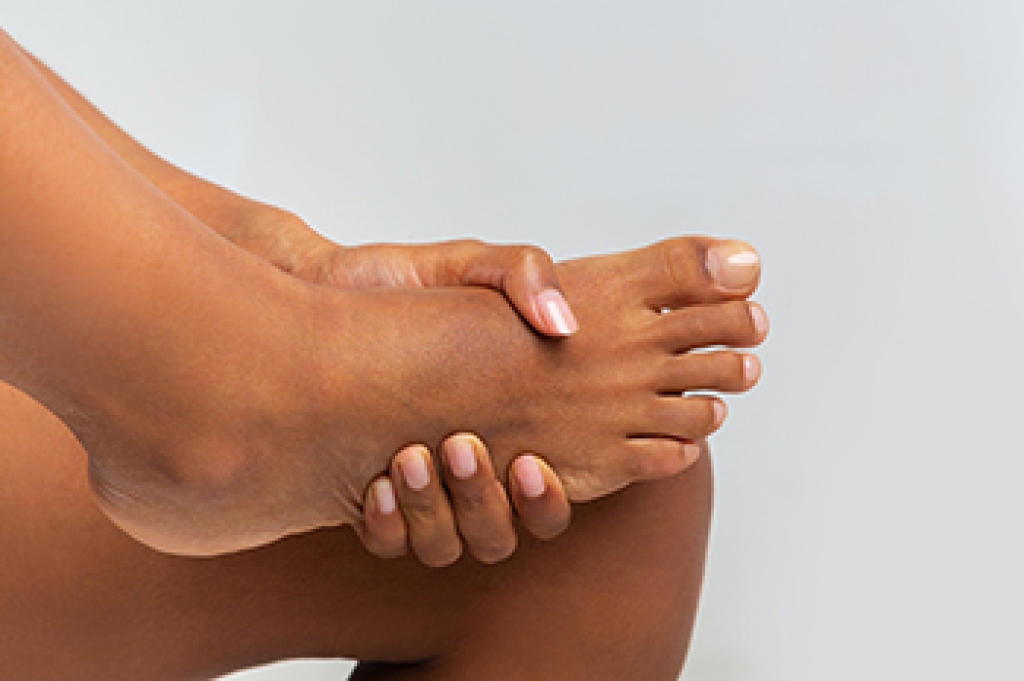
Foot pain can be an extreme annoyance for a variety of individuals across the country of all ages and backgrounds. Importantly, there are critical risk factors that can be associated with foot pain. These risk factors can make foot pain more likely. For example, if an individual has arthritis, they may be at an increased risk of experiencing foot pain of some kind. This can include osteoarthritis, Rheumatoid arthritis, juvenile arthritis, and gout, among other things. Additionally, overuse of the feet is a significant risk factor that may increase one’s susceptibility to overuse injuries in the feet. Lastly, conditions causing inflammation in the feet may be a significant risk factor for foot pain. If you have foot pain or are worried about developing foot pain, contact a podiatrist today for more information.

Foot Pain

Foot pain can be extremely painful and debilitating. If you have a foot pain, consult with Dr. Stephen Petrofsky from Florida. Our doctor will assess your condition and provide you with quality foot and ankle treatment.

Causes

Foot pain is a very broad condition that could be caused by one or more ailments. The most common include:

  • Bunions
  • Hammertoes
  • Plantar Fasciitis
  • Bone Spurs
  • Corns
  • Tarsal Tunnel Syndrome
  • Ingrown Toenails
  • Arthritis (such as Gout, Rheumatoid, and Osteoarthritis)
  • Flat Feet
  • Injury (from stress fractures, broken toe, foot, ankle, Achilles tendon ruptures, and sprains)
  • And more

Diagnosis

To figure out the cause of foot pain, podiatrists utilize several different methods. This can range from simple visual inspections and sensation tests to X-rays and MRI scans. Prior medical history, family medical history, and any recent physical traumatic events will all be taken into consideration for a proper diagnosis.

Treatment

Treatment depends upon the cause of the foot pain. Whether it is resting, staying off the foot, or having surgery; podiatrists have a number of treatment options available for foot pain.

If you have any questions, please feel free to contact our office located in Port Charlotte, FL . We offer the newest diagnostic and treatment technologies for all your foot care needs.
Read more about Foot Pain

Why Live with Pain and Numbness in Your Feet?

Suffering from this type of pain? You may have the foot condition known as Morton's neuroma. Morton's neuroma may develop as a result of ill-fitting footwear and existing foot deformities. We can help.

Are Foot Pain and Obesity Related?

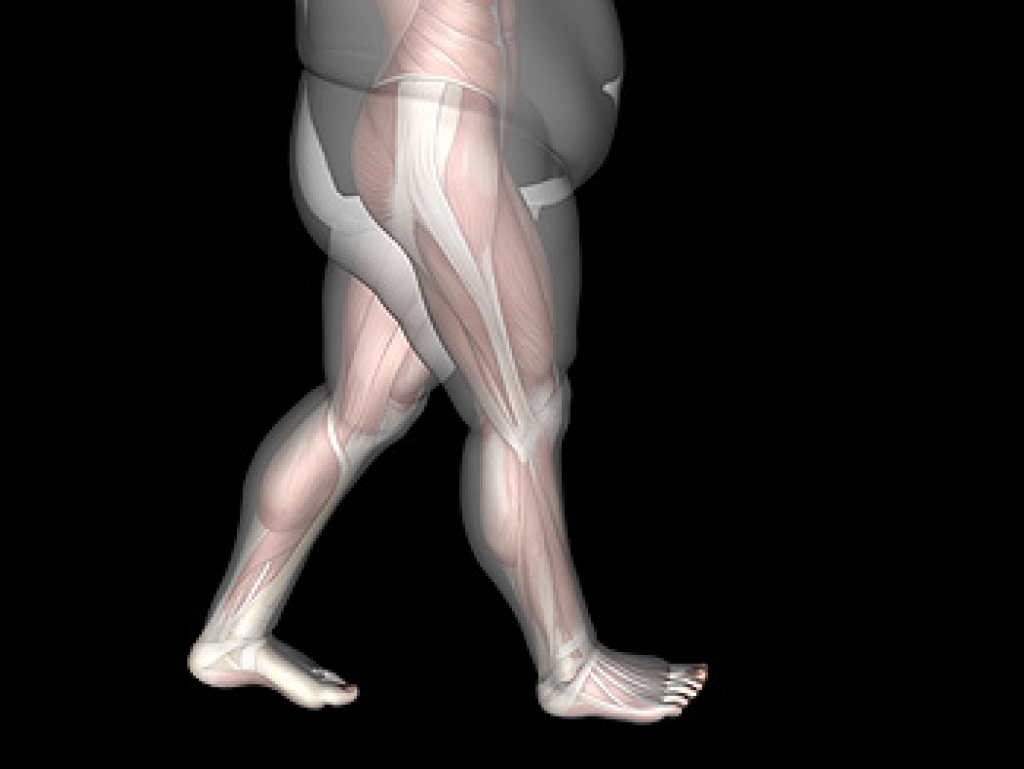
People who are overweight may notice they have foot pain. The feet carry the weight of the body, and this type of pain may be reduced when excess weight is lost. It is beneficial to accomplish this by consuming a diet that is low in fat, and by practicing a frequent exercise routine. Research has indicated that approximately six times the body weight is felt in the ankle joints while climbing up steps. Arthritis in the feet may occur as a result of being overweight, and foot structure may be negatively affected. Common foot conditions that may happen to obese patients can include plantar fasciitis and inflammation of the tendon that is found on the inside of the ankle and foot. Additionally, a condition that is known as hindfoot arthritis affects the heel, and can radiate to the ball of the foot. If you have foot pain due to being overweight, please consult with a podiatrist who can offer you an effective weight loss plan which may provide foot pain relief.

Obesity has become very problematic at this point in time and can have extremely negative effects on the feet. If you’re an obese individual and are concerned about your feet, contact Dr. Stephen Petrofsky from Florida. Our doctor can provide the care you need to keep you pain-free and on your feet.

Obesity and Your Feet

Since your feet are what support your entire weight when standing, any additional weight can result in pain and swelling. Being overweight is one of the main contributors to foot complications.

Problems & Complications

Extra Weight – Even putting on just a few extra pounds could create serious complications for your feet. As your weight increases, your balance and body will shift, creating new stresses on your feet. This uneven weight distribution can cause pain, even while doing the simplest tasks, such as walking.

Diabetes – People who are overweight are at serious risk of developing type-2 diabetes, which has a drastic impact on the health of your feet. As you get older, your diabetes might worsen, which could lead to loss of feeling in your feet, sores, and bruises. You could also become more prone to various infections.

Plantar fasciitis – Pressure and stress that is placed on muscles, joints, and tendons can trigger plantar fasciitis, which is an inflammation of tissue that forms along the bottom of the foot. 

If you have any questions, please feel free to contact our office located in Port Charlotte, FL . We offer the newest diagnostic and treatment technologies for all your foot care needs.
Read more about How Obesity Affects Your Feet

The Risk of Getting Toenail Fungus

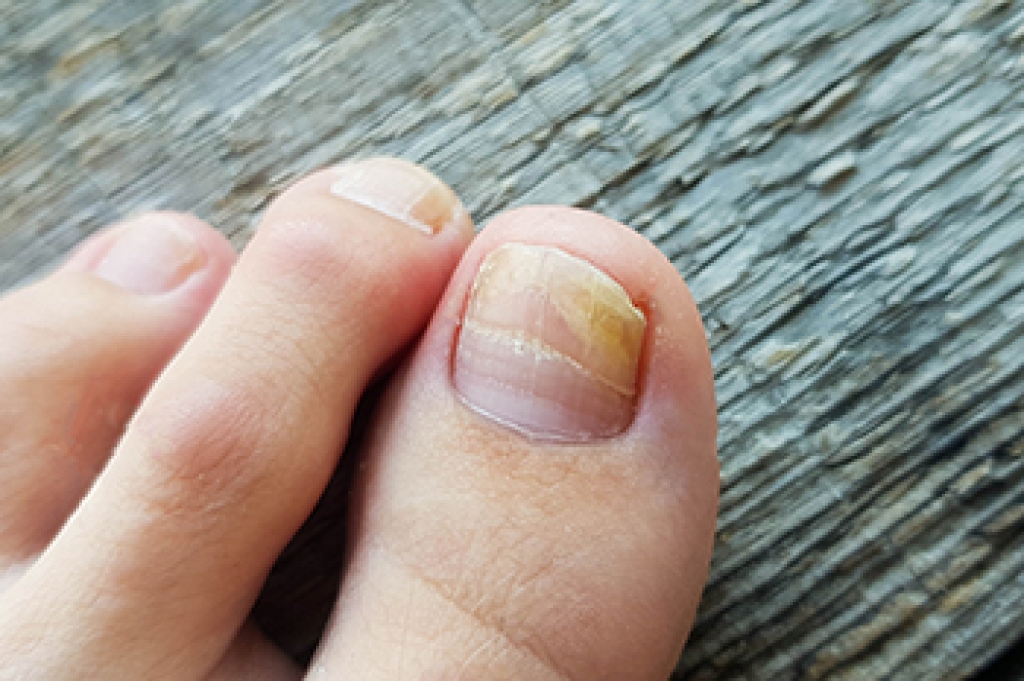
Anyone is at risk for developing toenail fungus. It is a common infection that attacks the nail bed on the toes. Research has shown that the chances of incurring this may increase as the aging process occurs. Additionally, there may be existing medical conditions that can lead to getting this type of infection. These include poor circulation, psoriasis, or a weakened immune system. The fungus that causes this lives and thrives in warm and moist environments, including  public swimming pools, locker rooms, and shower room floors. Because it can enter the body through small cuts in the feet, it is suggested to wear appropriate shoes while in these types of areas. Toenail fungus is contagious, and it is wise to refrain from sharing shoes, socks, and towels which may help to stop its spread. The symptoms are generally noticeable, as the toenails become yellow and brittle. Additionally, the skin may itch. Medical attention is often sought that can help to restore the nails to normalcy. As soon as you see the symptoms of a toenail fungus infection, it is strongly advised that you see a podiatrist who can guide you toward the correct treatment options.

If left untreated, toenail fungus may spread to other toenails, skin, or even fingernails. If you suspect you have toenail fungus it is important to seek treatment right away. For more information about treatment, contact Dr. Stephen Petrofsky of Florida. Our doctor can provide the care you need to keep you pain-free and on your feet.

Symptoms

  • Warped or oddly shaped nails
  • Yellowish nails
  • Loose/separated nail
  • Buildup of bits and pieces of nail fragments under the nail
  • Brittle, broken, thickened nail

Treatment

If self-care strategies and over-the-counter medications does not help your fungus, your podiatrist may give you a prescription drug instead. Even if you find relief from your toenail fungus symptoms, you may experience a repeat infection in the future.

Prevention

In order to prevent getting toenail fungus in the future, you should always make sure to wash your feet with soap and water. After washing, it is important to dry your feet thoroughly especially in between the toes. When trimming your toenails, be sure to trim straight across instead of in a rounded shape. It is crucial not to cover up discolored nails with nail polish because that will prevent your nail from being able to “breathe”.

In some cases, surgical procedure may be needed to remove the toenail fungus. Consult with your podiatrist about the best treatment options for your case of toenail fungus.  

If you have any questions please contact our office located in Port Charlotte, FL . We offer the newest diagnostic and treatment technologies for all your foot and ankle needs.

Read more about Toenail Fungus
Connect with us