Blog

Morton’s Neuroma and Forefoot Pain

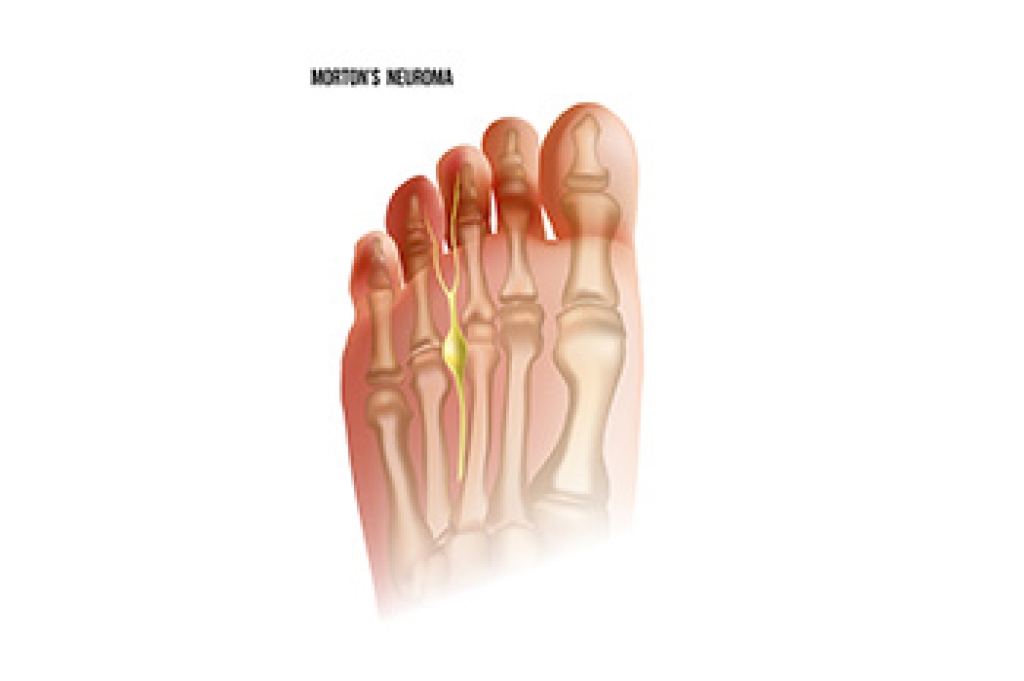
Morton’s neuroma is a painful condition involving thickened tissue around a nerve in the forefoot, often between the third and fourth toes. It is commonly seen in individuals who exercise frequently, especially with activities that involve repetitive pressure on the ball of the foot. Risk factors include tight footwear, high-impact movement, and foot structure imbalances. Symptoms include burning pain, tingling, numbness, or the sensation of standing on a small object. Without treatment, discomfort may worsen over time. A podiatrist can evaluate the condition, recommend footwear changes, and offer custom orthotics or advanced care. If you have pain in this part of your foot, it is suggested that you consult a podiatrist who can accurately diagnose and treat what may be going on.

Morton’s neuroma is a very uncomfortable condition to live with. If you think you have Morton’s neuroma, contact Dr. Stephen Petrofsky of Florida. Our doctor will attend to all of your foot care needs and answer any of your related questions.  

Morton’s Neuroma

Morton's neuroma is a painful foot condition that commonly affects the areas between the second and third or third and fourth toe, although other areas of the foot are also susceptible. Morton’s neuroma is caused by an inflamed nerve in the foot that is being squeezed and aggravated by surrounding bones.

What Increases the Chances of Having Morton’s Neuroma?

  • Ill-fitting high heels or shoes that add pressure to the toe or foot
  • Jogging, running or any sport that involves constant impact to the foot
  • Flat feet, bunions, and any other foot deformities

Morton’s neuroma is a very treatable condition. Orthotics and shoe inserts can often be used to alleviate the pain on the forefront of the feet. In more severe cases, corticosteroids can also be prescribed. In order to figure out the best treatment for your neuroma, it’s recommended to seek the care of a podiatrist who can diagnose your condition and provide different treatment options.

If you have any questions, please feel free to contact our office located in Port Charlotte, FL . We offer the newest diagnostic and treatment technologies for all your foot care needs.


Read more about What is Morton's Neuroma?

Symptoms of Foot Arthritis

Foot arthritis, also known as arthropathy, is a joint-related condition that causes inflammation and gradual deterioration within the joints of the foot. This condition can affect mobility and comfort because the foot contains many small joints that support balance and movement. Common symptoms include joint pain, swelling, stiffness, tenderness, and reduced flexibility while walking or standing. Causes include age-related wear of joint cartilage, previous injury, or inflammatory diseases that affect joint tissues. Risk factors include genetic predisposition, repetitive joint stress, excess body weight, and abnormal foot mechanics. A podiatrist can evaluate joint function, recommend supportive treatment, and help reduce pressure on affected joints. If you have symptoms of foot arthritis, it is suggested that you consult a podiatrist who can offer effective relief and management tips.

Arthritis can be a difficult condition to live with. If you are seeking treatment, contact Dr. Stephen Petrofsky from Florida. Our doctor can provide the care you need to keep you pain-free and on your feet.

Arthritic Foot Care  

Arthritis is a term that is commonly used to describe joint pain.  The condition itself can occur to anyone of any age, race, or gender, and there are over 100 types of it.  Nevertheless, arthritis is more commonly found in women compared to men, and it is also more prevalent in those who are overweight. The causes of arthritis vary depending on which type of arthritis you have. Osteoarthritis for example, is often caused by injury, while rheumatoid arthritis is caused by a misdirected immune system.

Symptoms

  • Swelling
  • Pain
  • Stiffness
  • Decreased Range of Motion

Arthritic symptoms range in severity, and they may come and go. Some symptoms stay the same for several years but could potentially get worse with time. Severe cases of arthritis can prevent its sufferers from performing daily activities and make walking difficult.

Risk Factors

  • Occupation – Occupations requiring repetitive knee movements have been linked to osteoarthritis
  • Obesity – Excess weight can contribute to osteoarthritis development
  • Infection – Microbial agents can infect the joints and trigger arthritis
  • Joint Injuries – Damage to joints may lead to osteoarthritis
  • Age – Risk increases with age
  • Gender –Most types are more common in women
  • Genetics – Arthritis can be hereditary

If you suspect your arthritis is affecting your feet, it is crucial that you see a podiatrist immediately. Your doctor will be able to address your specific case and help you decide which treatment method is best for you.

If you have any questions please feel free to contact our office located in Port Charlotte, FL . We offer the newest diagnostic tools and technology to treat your foot and ankle needs.

Read more about How to Care for Your Arthritic Foot

Simple Home Safety Tips to Help Prevent Falls

Falls prevention at home is an important part of protecting health and maintaining independence. Many falls occur because of hazards that can be corrected with simple safety improvements. Checking floor surfaces for loose rugs, uneven areas, or slippery spots can help reduce the risk of slipping. Improving lighting throughout the home allows better visibility, especially in hallways and stairways. Rearranging furniture to create clear walking paths and removing clutter from floors can also improve safety and mobility. Additionally, installing grab bars in the bathroom provides additional support when stepping in or out of the shower or bathtub. Foot health also plays a key role in balance and stability. Falling can seriously impact the feet. If you have injured your foot or ankle from falling, it is suggested that you consult a podiatrist who can offer effective relief and additional falls prevention tips.

Preventing falls among the elderly is very important. If you are older and have fallen or fear that you are prone to falling, consult with Dr. Stephen Petrofsky from Florida. Our doctor will assess your condition and provide you with quality advice and care.

Every 11 seconds, an elderly American is being treated in an emergency room for a fall related injury. Falls are the leading cause of head and hip injuries for those 65 and older. Due to decreases in strength, balance, senses, and lack of awareness, elderly persons are very susceptible to falling. Thankfully, there are a number of things older persons can do to prevent falls.

How to Prevent Falls

Some effective methods that older persons can do to prevent falls include:

  • Enrolling in strength and balance exercise program to increase balance and strength
  • Periodically having your sight and hearing checked
  • Discuss any medications you have with a doctor to see if it increases the risk of falling
  • Clearing the house of falling hazards and installing devices like grab bars and railings
  • Utilizing a walker or cane
  • Wearing shoes that provide good support and cushioning
  • Talking to family members about falling and increasing awareness

Falling can be a traumatic and embarrassing experience for elderly persons; this can make them less willing to leave the house, and less willing to talk to someone about their fears of falling. Doing such things, however, will increase the likelihood of tripping or losing one’s balance. Knowing the causes of falling and how to prevent them is the best way to mitigate the risk of serious injury.  

If you have any questions, please feel free to contact our office located in Port Charlotte, FL . We offer the newest diagnostic and treatment technologies for all your foot care needs.

Read more about Falls Prevention

Heel Pain Can Be Treated!

Do you suffer from heel pain when you get up in the morning? If so, you should seek professional help and have a proper diagnosis performed. Heel pain can be caused by several different foot-related conditions.

Definition and Risk Factors of Plantar Warts

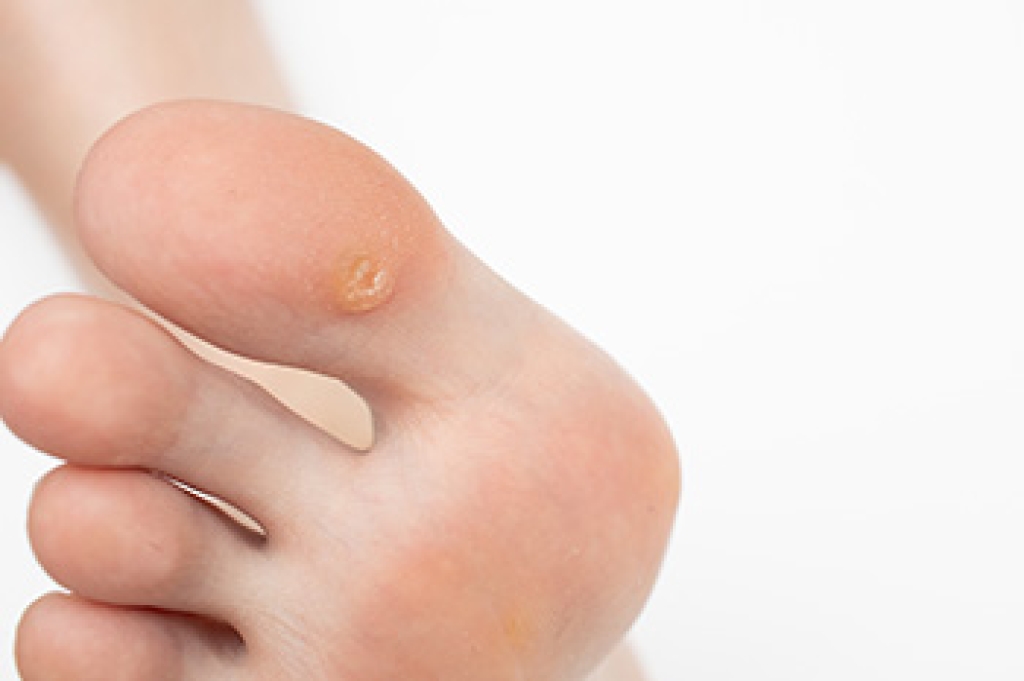
Plantar warts are benign skin lesions that develop on the soles of the feet as a result of infection with the human papillomavirus. The virus enters through tiny cuts or abrasions in the skin and thrives in warm, moist environments. These growths often appear as rough, grainy areas with small dark spots and may cause pain or tenderness when walking or standing. Symptoms can include thickened skin, discomfort with pressure, and the sensation of stepping on a small stone. Risk factors include walking barefoot in public areas, weakened immunity, and direct contact with the virus. A podiatrist can provide safe removal and targeted treatment. Plantar warts can be painful, and daily activities may be difficult to complete. If you have developed a plantar wart, it is strongly suggested that you consult a podiatrist who can offer effective treatment solutions.

Plantar warts can be very uncomfortable. If you need your feet checked, contact Dr. Stephen Petrofsky from Florida. Our doctor will assist you with all of your foot and ankle needs.

About Plantar Warts

Plantar warts are the result of HPV, or human papillomavirus, getting into open wounds on the feet. They are mostly found on the heels or balls of the feet.

While plantar warts are generally harmless, those experiencing excessive pain or those suffering from diabetes or a compromised immune system require immediate medical care. Plantar warts are easily diagnosed, usually through scraping off a bit of rough skin or by getting a biopsy.

Symptoms

  • Lesions on the bottom of your feet, usually rough and grainy
  • Hard or thick callused spots
  • Wart seeds, which are small clotted blood vessels that look like little black spots
  • Pain, discomfort, or tenderness of your feet when walking or standing

Treatment

  • Freezing
  • Electric tool removal
  • Laser Treatment
  • Topical Creams (prescription only)
  • Over-the-counter medications

To help prevent developing plantar warts, avoid walking barefoot over abrasive surfaces that can cause cuts or wounds for HPV to get into. Avoiding direct contact with other warts, as well as not picking or rubbing existing warts, can help prevent the further spread of plantar warts. However, if you think you have developed plantar warts, speak to your podiatrist. He or she can diagnose the warts on your feet and recommend the appropriate treatment options.

If you have any questions, please feel free to contact our office located in Port Charlotte, FL . We offer the newest diagnostic and treatment technologies for all your foot care needs.
Read more about All About Plantar Warts
Connect with us