Blog

What Is a Metatarsal Fracture?

The metatarsals are five long, slim bones that run the length of the foot to the base of the toes. They are a common site of fractures. The fifth metatarsal bone, which is located on the outside of the foot and connects your pinky toe to the rest of the foot, is the most likely foot bone to be fractured due to an acute injury. Metatarsals can also be the site of stress fractures, which occur over time due to overuse. Like other fractures, metatarsal fractures may be open or closed. Open fractures refer to broken bones that break through the skin, while closed fractures are internal. Metatarsal fractures can also be displaced, where the bones have become misaligned, or nondisplaced. If you suspect that you may have broken a bone in your foot, it is suggested that you see a podiatrist as soon as possible. 

A broken foot requires immediate medical attention and treatment. If you need your feet checked, contact Dr. Stephen Petrofsky from Florida. Our doctor can provide the care you need to keep you pain-free and on your feet.

Broken Foot Causes, Symptoms, and Treatment

A broken foot is caused by one of the bones in the foot typically breaking when bended, crushed, or stretched beyond its natural capabilities. Usually the location of the fracture indicates how the break occurred, whether it was through an object, fall, or any other type of injury. 

Common Symptoms of Broken Feet:

  • Bruising
  • Pain
  • Redness
  • Swelling
  • Blue in color
  • Numbness
  • Cold
  • Misshapen
  • Cuts
  • Deformities

Those that suspect they have a broken foot shoot seek urgent medical attention where a medical professional could diagnose the severity.

Treatment for broken bones varies depending on the cause, severity and location. Some will require the use of splints, casts or crutches while others could even involve surgery to repair the broken bones. Personal care includes the use of ice and keeping the foot stabilized and elevated.

If you have any questions, please feel free to contact our office located in Port Charlotte, FL . We offer the newest diagnostic and treatment technologies for all your foot care needs.

Read more about Causes, Symptoms, and Treatment for a Broken Foot

Why Feet Swell During Pregnancy

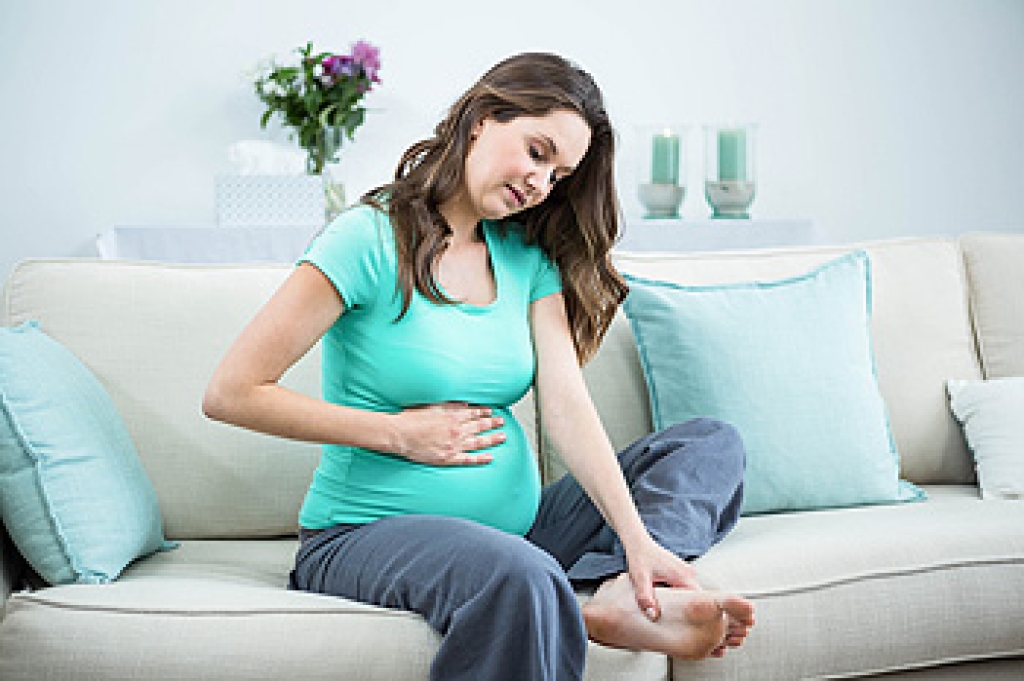
Swelling in the feet and legs during pregnancy is very common, and it usually worsens towards the end of the day and further into the pregnancy. The swelling is the result of the body holding more water than usual, and the water pools up at the lower parts of the body. This swelling is not usually harmful, but it can get uncomfortable. However, a sudden increase of swelling can be a sign of pre-eclampsia and should be monitored as soon as possible. Common methods to reduce lower limb swelling include avoiding standing for long periods, wearing comfortable shoes and socks that aren’t too tight, resting with the feet up, and taking regular walks. If you are struggling with swollen feet during your pregnancy, a podiatrist will be able to help provide ways to manage the situation.

Pregnant women with swollen feet can be treated with a variety of different methods that are readily available. For more information about other cures for swollen feet during pregnancy, consult with Dr. Stephen Petrofsky from Florida. Our doctor will attend to all of your foot and ankle needs.

What Foot Problems Can Arise During Pregnancy?

One problem that can occur is overpronation, which occurs when the arch of the foot flattens and tends to roll inward.  This can cause pain and discomfort in your heels while you’re walking or even just standing up, trying to support your baby.  

Another problem is edema, or swelling in the extremities. This often affects the feet during pregnancy but tends to occur in the later stages. 

How Can I Keep My Feet Healthy During Pregnancy?

  • Wearing orthotics can provide extra support for the feet and help distribute weight evenly
  • Minimize the amount of time spent walking barefoot
  • Wear shoes with good arch support
  • Wear shoes that allow for good circulation to the feet
  • Elevate feet if you experience swelling
  • Massage your feet
  • Get regular, light exercise, such as walking, to promote blood circulation to the feet

If you have any questions, please feel free to contact our office located in Port Charlotte, FL . We offer the newest diagnostic and treatment technologies for all your foot care needs.
Read more about Pregnancy and Foot Health

How to Buy Golf Shoes That Fit Correctly

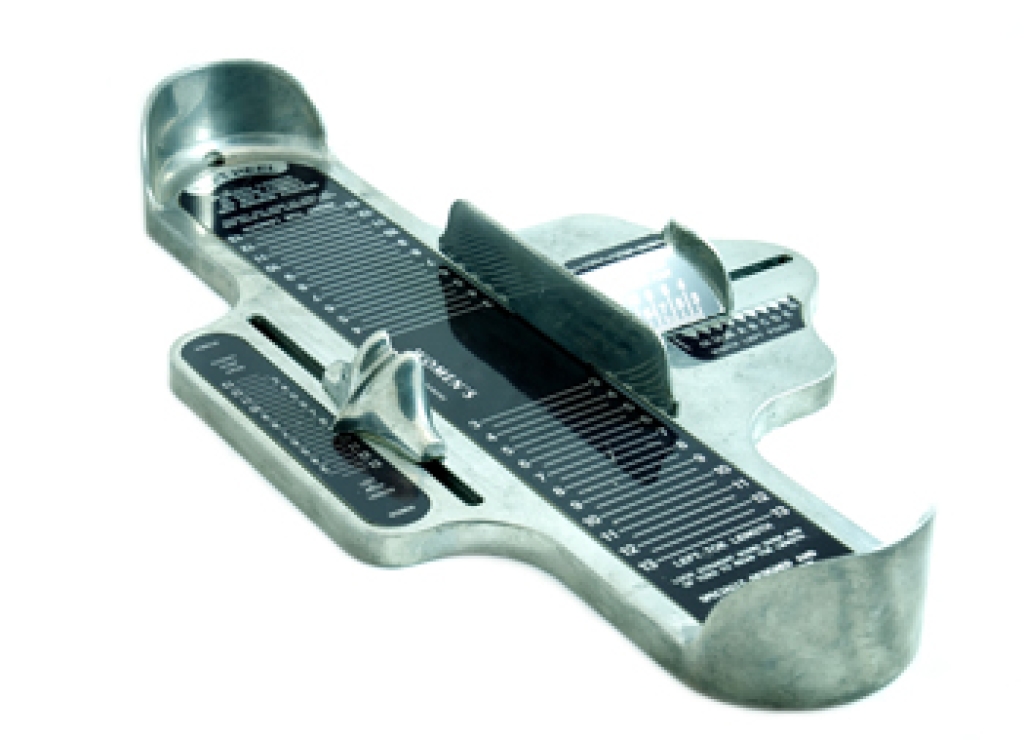
People who enjoy playing golf are often unaware of the importance of wearing the right golf shoes. The wrong shoes can hurt their feet, in addition to negatively affecting their game. Many players are concerned with choosing the right golf clubs, and can often overlook the attention that is needed to choose the right shoes. This can be remedied by measuring the feet using the Brannock device, and it is suggested that you wear the socks that will be worn while playing golf. It is beneficial to wear golf shoes that are wide, as this allows ample room for the toes to move freely. If you would like additional information about how to buy golf shoes that can enhance your game and fit correctly, please consult with a podiatrist. 

Finding a properly-fitting shoe is important in reducing injuries and preventing foot problems. For more information about treatment, contact Dr. Stephen Petrofsky from Florida. Our doctor will treat your foot and ankle needs.

Proper Shoe Fitting

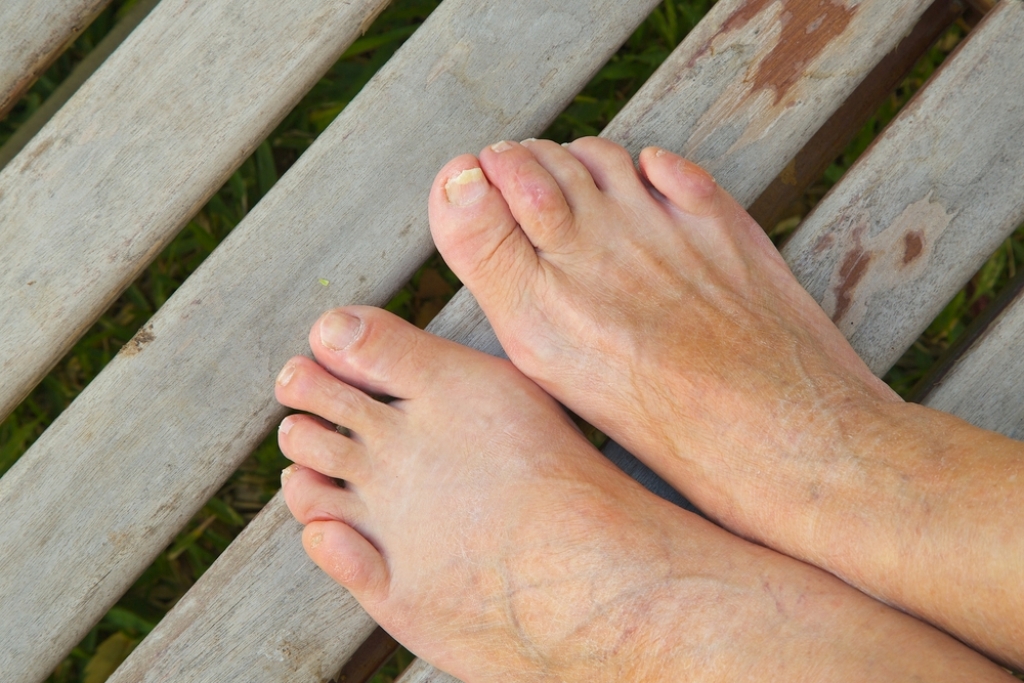
A common concern when it comes to foot health, having properly fitted shoes can help prevent injuries to the foot. Out feet affect our posture and gait, which in turn affects the biomechanics and overall bodily structure. With 33 joints, 26 bones, and over 100 ligaments, the potential for serious injury is much greater than one realizes. Although the feet cease growth in adulthood, they still change shape as they mature. Here are some factors to consider when it comes to investing in proper fitting shoes:

  • Be sure the shoes fit correctly right away
  • Ensure the ball of your foot fits comfortably in the widest portion of the shoes
  • Even though they may look fashionable, improper fitting shoes can either create adverse conditions or exacerbate existing ones you may already have
  • Walk along a carpeted surface to ensure the shoes comfortably fit during normal activity

Keeping in mind how shoes fit the biomechanics of your body, properly-fitting shoes are vitally important. Fortunately, it is not difficult to acquire footwear that fits correctly. Be sure to wear shoes that support the overall structure of your body. Do your feet a favor and invest in several pairs of well-fitted shoes today.

If you have any questions, please feel free to contact our office located in Port Charlotte, FL . We offer the newest diagnostic and treatment technologies for all your foot care needs.
Read more about How to Get a Proper Shoe Fit

What Can Cause Hammertoes?

Hammertoe is a progressive foot deformity in which the toe bends down at the middle joint, giving the toe a hammer-like appearance. This can be both unsightly and uncomfortable as the tops of your toes rub up against the inside of your shoes. The constant rubbing and friction can cause corns and calluses to form on the tops of the toes. Hammertoes can be caused by an imbalance of the muscles and ligaments in the toes, wearing shoes that don’t fit properly, toes that squish together, shoes that have excessively high heels or a narrow toe box, and even flip-flops. Flat feet may also be a risk factor that contributes to hammertoe formation. If you develop hammertoe, please consult with a podiatrist who can offer you treatment options to slow the progression of your hammertoes as well as correct them.

Hammertoes can be a painful condition to live with. For more information, contact Dr. Stephen Petrofsky of Florida. Our doctor will answer any of your foot- and ankle-related questions.

Hammertoe

Hammertoe is a foot deformity that occurs due to an imbalance in the muscles, tendons, or ligaments that normally hold the toe straight. It can be caused by the type of shoes you wear, your foot structure, trauma, and certain disease processes.

Symptoms

  • Painful and/or difficult toe movement
  • Swelling
  • Joint stiffness
  • Calluses/Corns
  • Physical deformity

Risk Factors

  • Age – The risk of hammertoe increases with age
  • Sex – Women are more likely to have hammertoe compared to men
  • Toe Length – You are more likely to develop hammertoe if your second toe is longer than your big toe
  • Certain Diseases – Arthritis and diabetes may make you more likely to develop hammertoe

Treatment

If you have hammertoe, you should change into a more comfortable shoe that provides enough room for your toes. Exercises such as picking up marbles may strengthen and stretch your toe muscles. Nevertheless, it is important to seek assistance from a podiatrist in order to determine the severity of your hammertoe and see which treatment option will work best for you.

If you have any questions, please feel free to contact our office located in Port Charlotte, FL . We offer the newest diagnostic and treatment technologies for all your foot care needs.

Read more about Hammertoe
Connect with us