
Blog

Major Causes of Ball of the Foot Pain

Pain in the ball of the foot, also called forefoot pain, can result from several conditions that affect the bones, joints, or soft tissues in this area. Metatarsalgia is one of the most frequent causes of pain in the ball of the foot. It develops when repetitive pressure on the metatarsal bones leads to inflammation and aching across the forefoot. Morton’s neuroma is another culprit, where a thickened nerve, usually between the  3rd and 4th toes, causes sharp or burning pain and sometimes numbness. A bunion deformity can shift pressure onto the ball of the foot, causing a change of gait that leads to pain and stiffness. A podiatrist can provide a thorough exam, identify the underlying cause, recommend footwear changes or orthotics, and determine whether surgery is needed. If you are experiencing pain in the ball of your foot, it is suggested that you make an appointment with a podiatrist for an exam, diagnosis, and treatment.

Foot Pain

Foot pain can be extremely painful and debilitating. If you have a foot pain, consult with Dr. Stephen Petrofsky from Florida. Our doctor will assess your condition and provide you with quality foot and ankle treatment.

Causes

Foot pain is a very broad condition that could be caused by one or more ailments. The most common include:

  • Bunions
  • Hammertoes
  • Plantar Fasciitis
  • Bone Spurs
  • Corns
  • Tarsal Tunnel Syndrome
  • Ingrown Toenails
  • Arthritis (such as Gout, Rheumatoid, and Osteoarthritis)
  • Flat Feet
  • Injury (from stress fractures, broken toe, foot, ankle, Achilles tendon ruptures, and sprains)
  • And more

Diagnosis

To figure out the cause of foot pain, podiatrists utilize several different methods. This can range from simple visual inspections and sensation tests to X-rays and MRI scans. Prior medical history, family medical history, and any recent physical traumatic events will all be taken into consideration for a proper diagnosis.

Treatment

Treatment depends upon the cause of the foot pain. Whether it is resting, staying off the foot, or having surgery; podiatrists have a number of treatment options available for foot pain.

If you have any questions, please feel free to contact our office located in Port Charlotte, FL . We offer the newest diagnostic and treatment technologies for all your foot care needs.
Read more about Foot Pain

Potential Treatments for Plantar Fasciitis

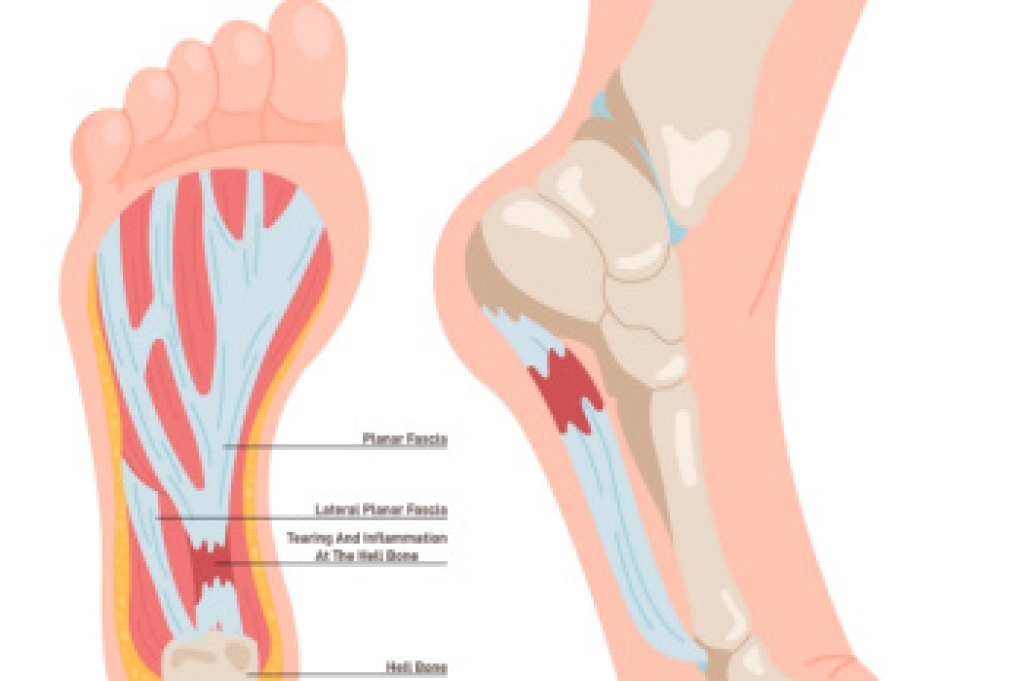
Plantar fasciitis is a common overuse injury that occurs when the plantar fascia, the ligament that runs along the bottom of the foot, is damaged due to repetitive stress. This condition is frequently seen in athletes and those who work on their feet, but can affect anyone. Plantar fasciitis causes heel and arch pain that can range from mild to severe. Treatments for plantar fasciitis will depend on the severity and duration of the symptoms. Resting the affected foot by limiting its movements is usually the first line of treatment. Your podiatrist may recommend avoiding certain sports or prolonged periods of standing. Changing footwear and taking anti-inflammatory medications can reduce pain, swelling, and inflammation. Your podiatrist may also suggest wearing orthotic inserts in your shoes to better support your feet, taping the foot, wearing a night splint, and doing light stretching exercises. Surgery can be considered in severe cases where conservative treatments have failed. If you have pain from plantar fasciitis, it is suggested that you seek the care of a podiatrist. 

Plantar fasciitis can be very painful and inconvenient. If you are experiencing heel pain or symptoms of plantar fasciitis, contact Dr. Stephen Petrofsky  from Florida. Our doctor can provide the care you need to keep you pain-free and on your feet.

What Is Plantar Fasciitis?

Plantar fasciitis is the inflammation of the thick band of tissue that runs along the bottom of your foot, known as the plantar fascia, and causes mild to severe heel pain.

What Causes Plantar Fasciitis?

  • Excessive running
  • Non-supportive shoes
  • Overpronation
  • Repeated stretching and tearing of the plantar fascia

How Can It Be Treated?

  • Conservative measures – anti-inflammatories, ice packs, stretching exercises, physical therapy, orthotic devices
  • Shockwave therapy – sound waves are sent to the affected area to facilitate healing and are usually used for chronic cases of plantar fasciitis
  • Surgery – usually only used as a last resort when all else fails. The plantar fascia can be surgically detached from the heel

While very treatable, plantar fasciitis is definitely not something that should be ignored. Especially in severe cases, speaking to your doctor right away is highly recommended to avoid complications and severe heel pain. Your podiatrist can work with you to provide the appropriate treatment options tailored to your condition.

If you have any questions, please feel free to contact our office located in Port Charlotte, FL . We offer the newest diagnostic and treatment technologies for all your foot care needs.

Read more about Plantar Fasciitis

Expert Guidance From a Podiatrist on Athlete’s Foot

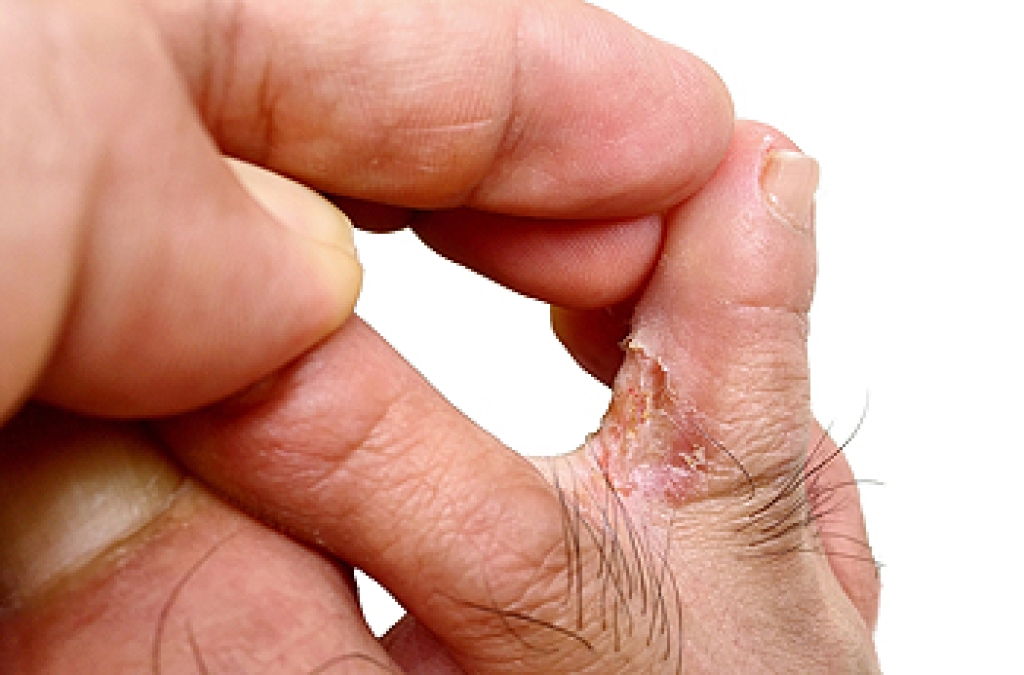
Athlete’s foot is a common fungal infection that affects the skin of the feet, often developing between the toes. It occurs when the fungus grows in warm, moist environments, such as sweaty socks or communal showers. Causes include direct contact with contaminated surfaces, shared footwear, and poor foot hygiene. Risk factors include excessive sweating, wearing tight or non breathable shoes, and weakened immunity. Symptoms may include itching, burning, redness, peeling skin, and an unpleasant odor. A podiatrist can provide an accurate diagnosis, recommend antifungal treatments, and offer guidance on proper foot care to prevent recurrence. If you have symptoms of athlete’s foot, it is suggested that you consult a podiatrist who can offer effective relief and treatment remedies, which may include prescribed medication.

Athlete’s foot is an inconvenient condition that can be easily reduced with the proper treatment. If you have any concerns about your feet and ankles, contact Dr. Stephen Petrofsky from Florida.  Our doctor will treat your foot and ankle needs.

Athlete’s Foot: The Sole Story

Athlete's foot, also known as tinea pedis, can be an extremely contagious foot infection. It is commonly contracted in public changing areas and bathrooms, dormitory style living quarters, around locker rooms and public swimming pools, or anywhere your feet often come into contact with other people.

Solutions to Combat Athlete’s Foot

  • Hydrate your feet by using lotion
  • Exfoliate
  • Buff off nails
  • Use of anti-fungal products
  • Examine your feet and visit your doctor if any suspicious blisters or cuts develop

Athlete’s foot can cause many irritating symptoms such as dry and flaking skin, itching, and redness. Some more severe symptoms can include bleeding and cracked skin, intense itching and burning, and even pain when walking. In the worst cases, Athlete’s foot can cause blistering as well. Speak to your podiatrist for a better understanding of the different causes of Athlete’s foot, as well as help in determining which treatment options are best for you.

If you have any questions please feel free to contact our office located in Port Charlotte, FL . We offer the newest diagnostic and treatment technologies for all your foot and ankle needs.

Read more about How to Deal with Athlete's Foot

Reminder: When Was the Last Time...?

Custom orthotics, or shoe inserts, should be periodically replaced. Orthotics must fit properly to give you the best results. Protect your feet and ankles!

Is It Growing Pains or Something More?

Sever's disease, also known as calcaneal apophysitis, is a common cause of heel pain in growing children, especially those who are active in sports. It occurs when the growth plate in the heel becomes inflamed due to repetitive stress or tension from the Achilles tendon. Symptoms include heel pain during or after physical activity, limping, tenderness at the back of the heel, swelling, and difficulty walking or running. The pain may feel sharp or aching and typically worsens with movement. Sever's disease is most common during growth spurts, often between the ages of eight and 14. A podiatrist can diagnose the condition through a physical examination and a review of the child’s activity level and symptoms. Treatment may include heel supports, stretching exercises, and changes in footwear. If your child is experiencing heel pain during growth, it is suggested that you schedule an appointment with a podiatrist for a proper diagnosis and appropriate care.

Sever's disease often occurs in children and teens. If your child is experiencing foot or ankle pain, see Dr. Stephen Petrofsky from Florida. Our doctor can treat your child’s foot and ankle needs.

Sever’s Disease

Sever’s disease is also known as calcaneal apophysitis, which is a medical condition that causes heel pain I none or both feet. The disease is known to affect children between the ages of 8 and 14.

Sever’s disease occurs when part of the child’s heel known as the growth plate (calcaneal epiphysis) is attached to the Achilles tendon. This area can suffer injury when the muscles and tendons of the growing foot do not keep pace with bone growth. Therefore, the constant pain which one experiences at the back of the heel will make the child unable to put any weight on the heel. The child is then forced to walk on their toes.

Symptoms

Acute pain – Pain associated with Sever’s disease is usually felt in the heel when the child engages in physical activity such as walking, jumping and or running.

Highly active – Children who are very active are among the most susceptible in experiencing Sever’s disease, because of the stress and tension placed on their feet.

If you have any questions, please feel free to contact our office located in Port Charlotte, FL . We offer the newest diagnostic and treatment technologies for all your foot care needs.

Read more about Sever's Disease
Connect with us