Blog

Heel Spurs: The Body’s Response to Stress on Ligaments and Tendons

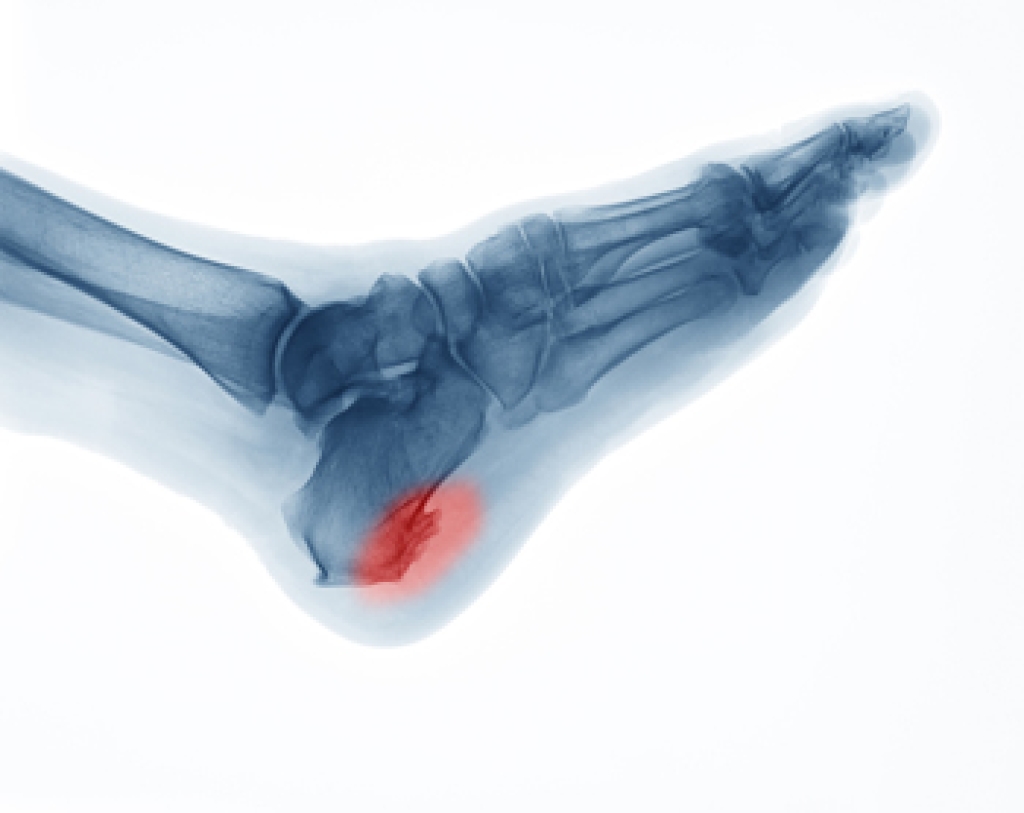
A heel spur is a pointy accumulation of calcium deposits that build up over time on the heel bone. They are the body’s response to repetitive strain or localized inflammation where soft tissues meet the bone. Heel spurs can develop at various locations on the heel bone. When the Achilles tendon becomes inflamed, a heel spur can sometimes develop at the back of the heel (where the tendon attaches to the bone). When the long tissue that connects the toes with the heel (plantar fascia) becomes damaged and inflamed, heel spurs can sometimes form on the heel under the arch. Obesity, gait abnormalities, flat feet or high arches, age, improperly fitted shoes, and other factors that stress the feet can also contribute to the formation of a heel spur. Some heel spurs can cause pain and tenderness, while others are asymptomatic, and only become discovered on an X-ray taken to diagnose another condition. A podiatrist can treat a heel spur through a variety of conservative treatments including icing and resting, physical therapy, stretching, oral or injectable anti-inflammatory medications, and custom orthotic devices.

Heel spurs can be incredibly painful and sometimes may make you unable to participate in physical activities. To get medical care for your heel spurs, contact Dr. Stephen Petrofsky from Florida. Our doctor will do everything possible to treat your condition.

Heels Spurs

Heel spurs are formed by calcium deposits on the back of the foot where the heel is. This can also be caused by small fragments of bone breaking off one section of the foot, attaching onto the back of the foot. Heel spurs can also be bone growth on the back of the foot and may grow in the direction of the arch of the foot.

Older individuals usually suffer from heel spurs and pain sometimes intensifies with age. One of the main condition's spurs are related to is plantar fasciitis.

Pain

The pain associated with spurs is often because of weight placed on the feet. When someone is walking, their entire weight is concentrated on the feet. Bone spurs then have the tendency to affect other bones and tissues around the foot. As the pain continues, the feet will become tender and sensitive over time.

Treatments

There are many ways to treat heel spurs. If one is suffering from heel spurs in conjunction with pain, there are several methods for healing. Medication, surgery, and herbal care are some options.

If you have any questions, please feel free to contact our office located in Port Charlotte, FL . We offer the newest diagnostic and treatment technologies for all your foot care needs.

Read more about How to Treat Heel Spurs

Are You Suffering From Ingrown Toenails?

If left untreated, an ingrown toenail can lead to more serious concerns, such as an infection. Knowing proper nail care can help in the prevention of an ingrown toenail. Give us a call, and get treated!

Eight Symptoms of Toe Arthritis

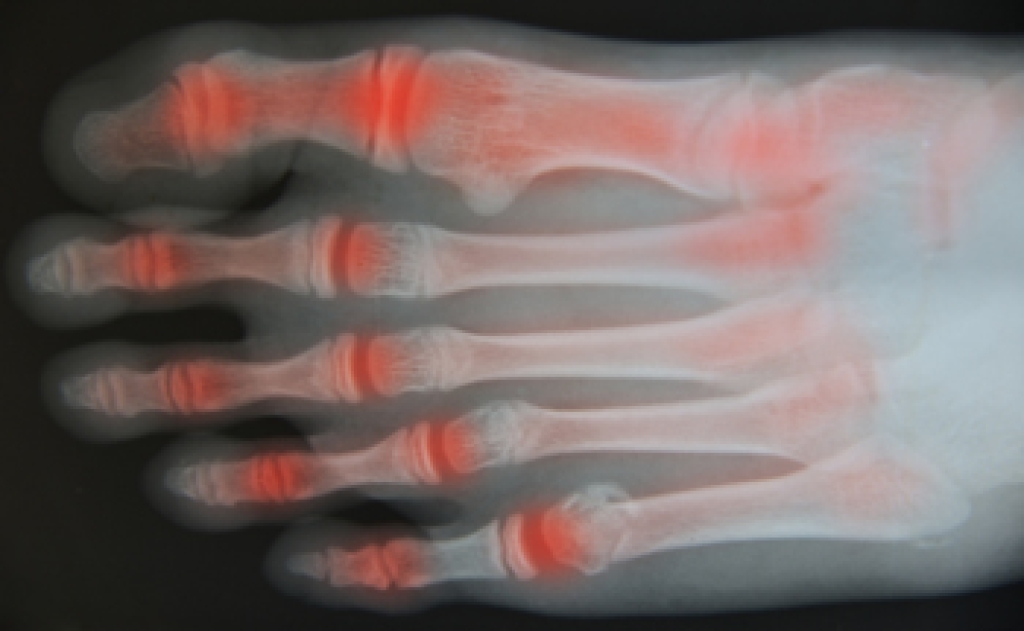
You may be familiar with aching joints in the hands and fingers, but have you ever heard of arthritis in the toes? This problem is surprisingly common, particularly among older people, who often have osteoarthritis, and people of all ages with rheumatoid or psoriatic arthritis. The most common symptom of arthritis in the toes is toe pain, which can range from a deep ache to a sharp or stabbing sensation. As their cartilage lining is damaged and wears away, the joints can become stiff and difficult to move. Swelling is also a common symptom. While walking, the toe joints may make a clicking, popping, or grinding sound, like the sound of cracking your knuckles. The toes may also become deformed over time and feel warm or hot because of inflammation. When joint damage is extensive and severe, the joint can become locked in place. All these symptoms combined can make walking, or even standing, difficult. If you have arthritis in your feet, a podiatrist can help you manage the symptoms and maintain your mobility.

Arthritis can be a difficult condition to live with. If you are seeking treatment, contact Dr. Stephen Petrofsky from Florida. Our doctor can provide the care you need to keep you pain-free and on your feet.

Arthritic Foot Care  

Arthritis is a term that is commonly used to describe joint pain.  The condition itself can occur to anyone of any age, race, or gender, and there are over 100 types of it.  Nevertheless, arthritis is more commonly found in women compared to men, and it is also more prevalent in those who are overweight. The causes of arthritis vary depending on which type of arthritis you have. Osteoarthritis for example, is often caused by injury, while rheumatoid arthritis is caused by a misdirected immune system.

Symptoms

  • Swelling
  • Pain
  • Stiffness
  • Decreased Range of Motion

Arthritic symptoms range in severity, and they may come and go. Some symptoms stay the same for several years but could potentially get worse with time. Severe cases of arthritis can prevent its sufferers from performing daily activities and make walking difficult.

Risk Factors

  • Occupation – Occupations requiring repetitive knee movements have been linked to osteoarthritis
  • Obesity – Excess weight can contribute to osteoarthritis development
  • Infection – Microbial agents can infect the joints and trigger arthritis
  • Joint Injuries – Damage to joints may lead to osteoarthritis
  • Age – Risk increases with age
  • Gender –Most types are more common in women
  • Genetics – Arthritis can be hereditary

If you suspect your arthritis is affecting your feet, it is crucial that you see a podiatrist immediately. Your doctor will be able to address your specific case and help you decide which treatment method is best for you.

If you have any questions please feel free to contact our office located in Port Charlotte, FL . We offer the newest diagnostic tools and technology to treat your foot and ankle needs.

Read more about How to Care for Your Arthritic Foot

Healing Cracked Heels

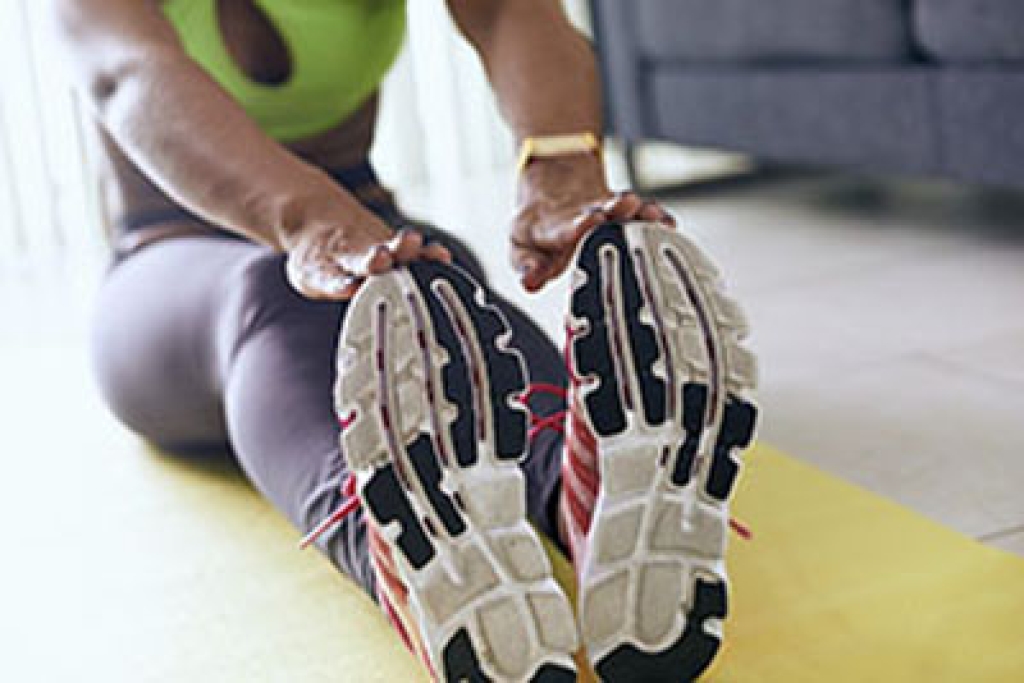
Cracked heels develop when the skin on the heels become dry and callused, and pressure from standing and walking create splits in the skin. Cracked heels can be caused by wearing shoes that expose the heels to the elements, aging skin, genetics, certain skin conditions or vitamin deficiencies, a lack of moisture in the skin, pressure from standing for prolonged periods of time, obesity, and more. Keeping your feet clean and moisturized, while improving the quality of skin through proper nutrition can help prevent cracked heels from occurring. If you have developed cracked heels that are not getting better or are deepening or bleeding, contact a podiatrist for treatment.

Cracked heels are unsightly and can cause further damage to your shoes and feet. If you have any concerns, contact Dr. Stephen Petrofsky from Florida. Our doctor can provide the care you need to keep you pain-free and on your feet.

Cracked Heels

Cracked heels appear unappealing and can make it harder for you walk around in sandals. Aside from looking unpleasant, cracked heels can also tear stockings, socks, and wear out your shoes. There are several methods to help restore a cracked heel and prevent further damage.

How Do You Get Them?

Dry skin is the number one culprit in creating cracked heels. Many athletes, walkers, joggers, and even swimmers suffer from cracked heels. Age and skin oil production play a role to getting cracked heels as well.

Promote Healing

Over the counter medicines can help, especially for those that need instant relief or who suffer from chronic dry feet.

Wear Socks – Wearing socks with medicated creams helps lock in moisture.

Moisturizers – Applying both day and night will help alleviate dryness which causes cracking.

Pumice Stones – These exfoliate and remove dead skin, which allows for smoother moisturizer application and better absorption into the skin. 

Change in Diet

Eating healthy with a well-balanced diet will give the skin a fresh and radiant look. Your body responds to the kinds of food you ingest. Omega-3 fatty acids and zinc supplements can also revitalize skin tissue.

Most importantly, seek professional help if unsure how to proceed in treating cracked heels. A podiatrist will help you with any questions or information needed. 

If you have any questions, please feel free to contact our office located in Port Charlotte, FL . We offer the newest diagnostic and treatment technologies for all your foot care needs.
Read more about Solutions for Cracked Heels

Treating Foot Problems as You Age

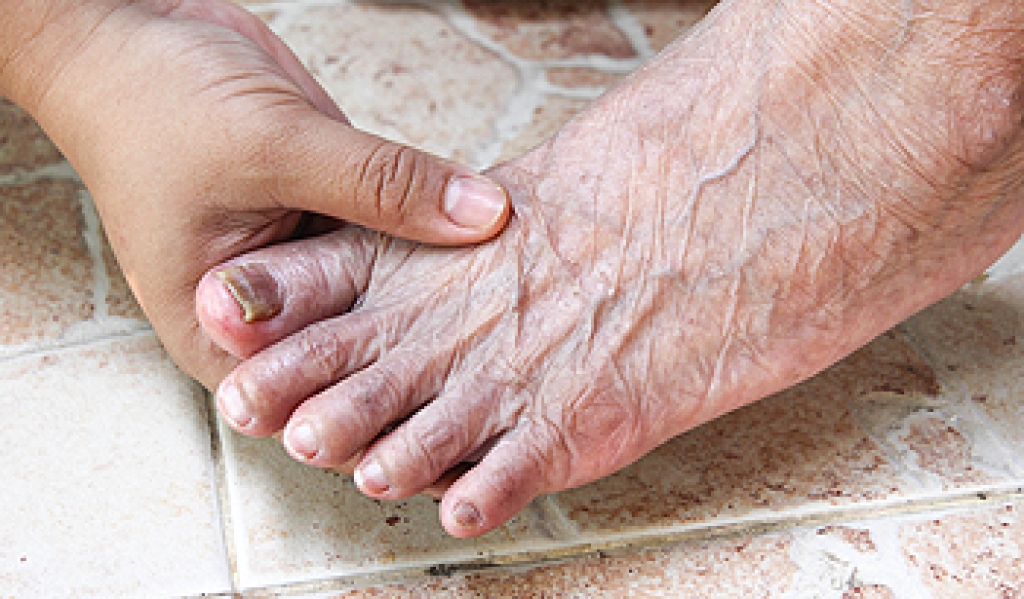
Adults often experience the onset of foot conditions more and more as they age. Just like the tires on a car, the feet simply begin to wear down. It is thought that the average senior puts about 115,000 miles on their feet over a lifetime. If foot problems are taking a more prominent role in your life, there are some ways to help prevent them from getting worse. Check to see if you need different shoes, because feet tend to widen as you age. Shoes with good support can also help prevent falls. It may also be time to give up high heels and pointy-toed shoes which often cause bunions, hammertoes, corns, and other foot ailments over time. The wearing away of the natural fat pads on the heel and ball of the foot may indicate a need for shoe inserts or orthotics to help cushion your feet. If standing or walking is becoming difficult, implementing the use of a walker, walking stick, or cane may help to prevent loss of balance and falls. Finally, it is a good idea to make regular appointments with a podiatrist to make sure your feet are receiving the proper care they need.

Proper foot care is something many older adults forget to consider. If you have any concerns about your feet and ankles, contact Dr. Stephen Petrofsky from Florida. Our doctor can provide the care you need to keep you pain-free and on your feet.

The Elderly and Their Feet

As we age we start to notice many changes in our body, but the elder population may not notice them right away. Medical conditions may prevent the elderly to take notice of their foot health right away. Poor vision is a lead contributor to not taking action for the elderly.

Common Conditions 

  • Neuropathy – can reduce feeling in the feet and can hide many life-threatening medical conditions.
  • Reduced flexibility – prevents the ability of proper toenail trimming, and foot cleaning. If left untreated, it may lead to further medical issues.
  • Foot sores – amongst the older population can be serious before they are discovered. Some of the problematic conditions they may face are:
  • Gouging toenails affecting nearby toe
  • Shoes that don’t fit properly
  • Pressure sores
  • Loss of circulation in legs & feet
  • Edema & swelling of feet and ankles

Susceptible Infections

Diabetes and poor circulation can cause general loss of sensitivity over the years, turning a simple cut into a serious issue.

If you have any questions, please feel free to contact our office located in Port Charlotte, FL . We offer the newest diagnostic and treatment technologies for all your foot care needs.
Read more about Elderly and their Feet
Connect with us