Blog

Causes and Treatment for Ingrown Toenails

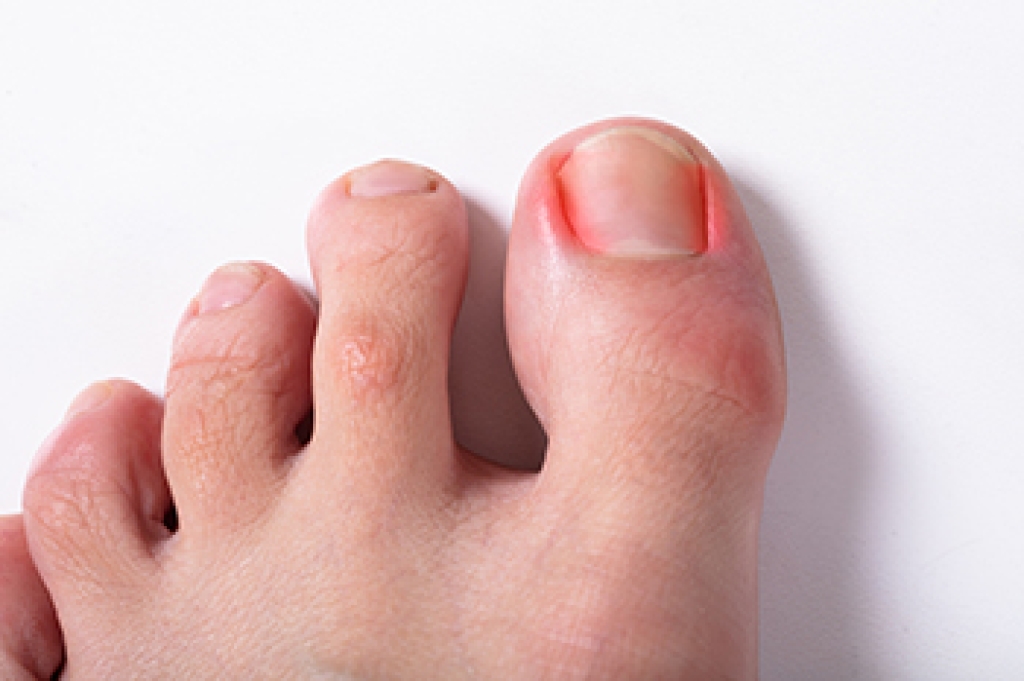
One of the most painful, not to mention annoying, skin irritations is an ingrown toenail. It is simply the result of the nail, commonly on the big toe, growing into the skin that surrounds it. Ingrown toenails can be the result of cutting the nails too short, or, ironically, by letting them grow too long. Nails that are ripped or torn, or nails that are cut into a rounded shape, also can cause ingrown toenails. They cause pain and sometimes redness, especially if the toes are encased in shoes that are too tight in the toe box. Improperly fitting shoes, along with toe injuries, and repetitive activity are among other causes of ingrown toenails. Cutting toenails straight across and soaking the feet in a salt-water bath a few times a day can help to relieve the pain. However if the ingrown toenail pain increases, becomes warm to the touch, or if there is a buildup of pus and an unpleasant odor, it may be infected. This would be a good time to consult with a podiatrist for immediate treatment. 

Ingrown toenails can become painful if they are not treated properly. For more information about ingrown toenails, contact Dr. Stephen Petrofsky of Florida. Our doctor can provide the care you need to keep you pain-free and on your feet.

Ingrown Toenails

Ingrown toenails occur when a toenail grows sideways into the bed of the nail, causing pain, swelling, and possibly infection.

Causes

  • Bacterial infections
  • Improper nail cutting such as cutting it too short or not straight across
  • Trauma to the toe, such as stubbing, which causes the nail to grow back irregularly
  • Ill-fitting shoes that bunch the toes too close together
  • Genetic predisposition

Prevention

Wearing proper fitting shoes and using proper cutting techniques will also help decrease your risk of developing ingrown toenails.

Treatment

Ingrown toenails are a very treatable foot condition. In minor cases, soaking the affected area in salt or antibacterial soaps will not only help with the ingrown nail itself, but also help prevent any infections from occurring. In more severe cases, surgery is an option. In either case, speaking to your podiatrist about this condition will help you get a better understanding of specific treatment options that are right for you.

If you have any questions, please feel free to contact our office located in Port Charlotte, FL . We offer the newest diagnostic and treatment technologies for all your foot care needs.

Read more about Ingrown Toenail Care

Heel Pain Can Be Treated!

Do you suffer from heel pain when you get up in the morning? If so, you should seek professional help and have a proper diagnosis performed. Heel pain can be caused by several different foot-related conditions.

Children Can Be Born With Various Foot Problems

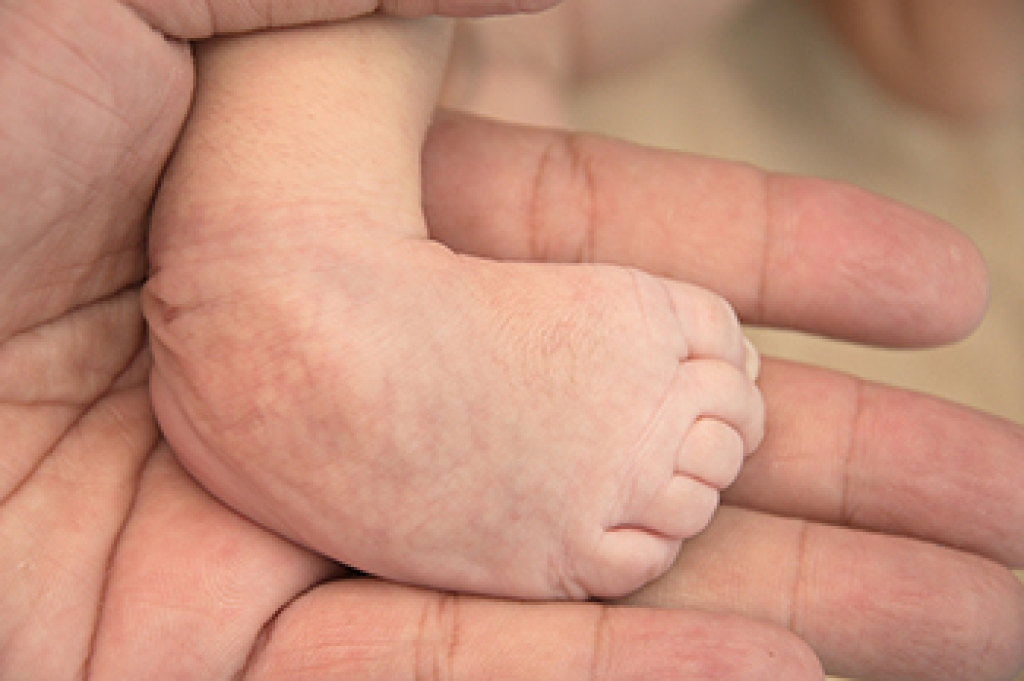
The majority of babies are born with 10 toes and 10 fingers, and this is what most parents look for in their newborns. There are foot deformities that babies can be born with, and the two most common are metatarsus adductus and calcaneovalgus. They both occur as a result of how a baby’s feet were positioned inside the womb. Metatarsus adductus is noticed by a curve in the middle of the foot, and flexibility is often compromised. The foot may appear to be crooked, but may be straightened out by gently pushing it into a normal position. Calcaneovalgus is characterized by a foot that is pushed up and out. The foot may be difficult to point downward. In both cases, these conditions generally improve within several months. The deformity known as clubfoot is observed when the foot is stiff, and has a high arch. It is often diagnosed before birth, and may be part of a different condition, such as spina bifida. There are many congenital foot problems, and it is suggested that you speak with a podiatrist who can answer any questions and treat these types of foot disorders.

Congenital foot problems require immediate attention to avoid future complications. If you have any concerns, contact Dr. Stephen Petrofsky of Florida. Our doctor can provide the care you need to keep you pain-free and on your feet.

Congenital foot problems are deformities affecting the feet, toes, and/or ankles that children are born with. Some of these conditions have a genetic cause while others just happen. Some specific foot ailments that children may be born with include clubfeet, polydactyly/macrodactyly, and cleft foot. There are several other foot anomalies that can occur congenitally. What all of these conditions have in common is that a child may experience difficulty walking or performing everyday activities, as well as trouble finding footwear that fits their foot deformity. Some of these conditions are more serious than others. Consulting with a podiatrist as early as possible will help in properly diagnosing a child’s foot condition while getting the necessary treatment underway.

What are Causes of Congenital Foot Problem?

A congenital foot problem is one that happens to a child at birth. These conditions can be caused by a genetic predisposition, developmental or positional abnormalities during gestation, or with no known cause.

What are Symptoms of Congenital Foot Problems?

Symptoms vary by the congenital condition. Symptoms may consist of the following:

  • Clubfoot, where tendons are shortened, bones are shaped differently, and the Achilles tendon is tight, causing the foot to point in and down. It is also possible for the soles of the feet to face each other.
  • Polydactyly, which usually consists of a nubbin or small lump of tissue without a bone, a toe that is partially formed but has no joints, or an extra toe.
  • Vertical talus, where the talus bone forms in the wrong position causing other bones in the foot to line up improperly, the front of the foot to point up, and the bottom of the foot to stiffen, with no arch, and to curve out.
  • Tarsal coalition, when there is an abnormal connection of two or more bones in the foot leading to severe, rigid flatfoot.
  • Cleft foot, where there are missing toes, a V-shaped cleft, and other anatomical differences.
  • Macrodactyly, when the toes are abnormally large due to overgrowth of the underlying bone or soft tissue.

Treatment and Prevention

While there is nothing one can do to prevent congenital foot problems, raising awareness and receiving neonatal screenings are important. Early detection by taking your child to a podiatrist leads to the best outcome possible.

If you have any questions, please feel free to contact our office located in Port Charlotte, FL . We offer the newest diagnostic and treatment technologies for all your foot care needs.

Read more about Congenital Foot Problems

Causes and Symptoms of Turf Toe

Turf toe is an injury that occurs when the big toe is bent past 90 degrees and the heel is high off the ground. Imagine a runner or football player in the starting position. Pushing off forcefully can cause the joint to extend beyond its natural range of motion. That in turn causes the tissues in the joint to be stretched or torn. Turf toe can also be the result of actions repeated over a long period, such as a ballet dancer jumping or leaping. It can also be caused by trauma, such as  when an athlete makes a sudden change of direction while running. There are three grades of turf toe. Grade 1 is when the tissue is stretched, but not torn. Symptoms include mild pain and swelling. Grade 2 is when the tissue is partially torn, causing intense discomfort over a broader area, along with swelling and some bruising. In Grade 3 injuries, the tissue is more severely torn, and the joint may become dislocated. Pain and swelling increases, and it is difficult to move the toe, let alone participate in physical activity. If you believe you have some form of turf toe, please consult a podiatrist for an immediate exam, diagnosis, and treatment options. 

Toe pain can disrupt your daily activities. If you have any concerns, contact Dr. Stephen Petrofsky of Florida. Our doctor can provide the care you need to keep you pain-free and on your feet.

What Causes Toe Pain?

Most severe toe pain is caused due to a sports injury, trauma from dropping something heavy on the toe, or bumping into something rigid. Other problems can develop over time for various reasons.

Toe pain can be caused by one or more ailments. The most common include:

  • Trauma
  • Sports injury
  • Wearing shoes that are too tight
  • Arthritis
  • Gout
  • Corns and calluses
  • Hammertoe
  • Bunions
  • Blisters
  • Ingrown toenails
  • Sprains
  • Fractures (broken bones)
  • Dislocations

When to See a Podiatrist

  • Severe pain
  • Persistent pain that lasts more than a week
  • Signs of infection
  • Continued swelling
  • Pain that prevents walking

Diagnosis

In many cases the cause of toe pain is obvious, but in others, a podiatrist may want to use more advanced methods to determine the problem. These can range from simple visual inspections and sensation tests to X-rays and MRI scans. Prior medical history, family medical history, and any recent physical traumatic events will all be taken into consideration for a proper diagnosis.

Treatment

Treatments for toe pain and injuries vary and may include shoe inserts, padding, taping, medicines, injections, and in some cases, surgery. If you believe that you have broken a toe, please see a podiatrist as soon as possible.

If you have any questions please contact our office located in Port Charlotte, FL . We offer the newest diagnostic and treatment technologies for all your foot and ankle needs.

Read more about Toe Pain

How Does Toenail Fungus Form and How Can You Address It?

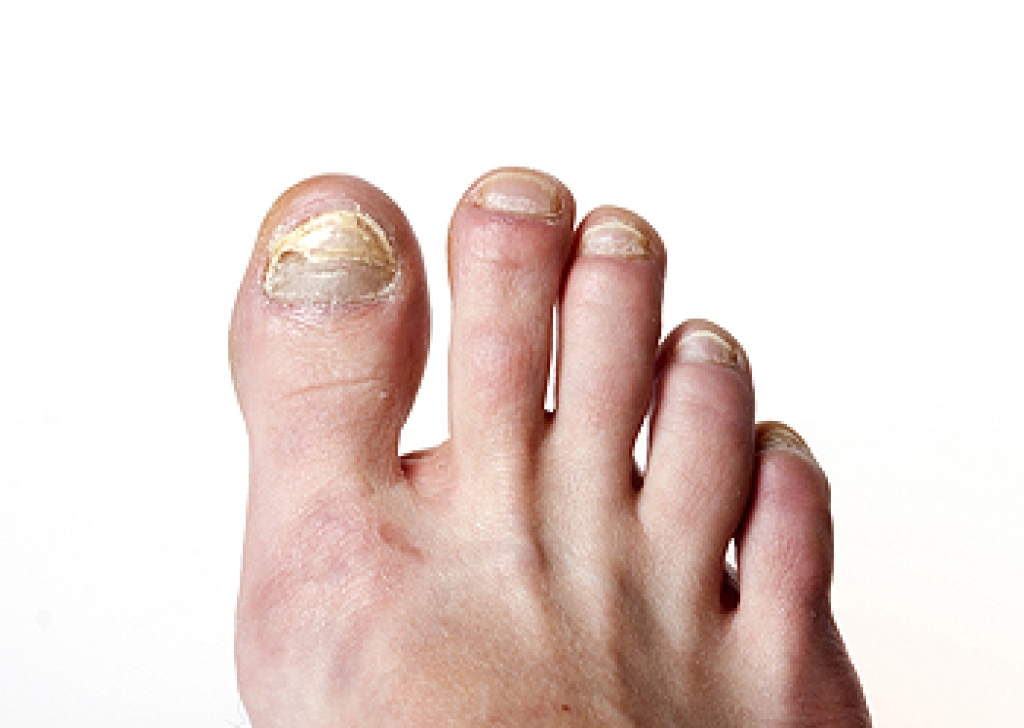
Toenail fungus can undoubtedly be an unpleasant and troublesome ailment of the foot. This condition often occurs when a case of athlete’s foot or another rash spreads to the toenail. Time is certainly of the essence when it comes to treating a toenail fungus. Since the fungus becomes more severe as time passes, an individual may be able to more effectively treat a toenail fungus if it is identified relatively early in its formation. To catch early forms of toenail fungus, you might be especially vigilant about identifying any yellow or white spots underneath the toenails. There are various types of treatment for toenail fungus that an individual has at their disposal. To treat the fungus, one might take an oral medication, especially when multiple toenails have been affected. Besides oral antifungals, other treatments include using topical medications for prolonged periods of time. The efficacy of these and other treatments often depend on how long the toenail fungus has been left untreated. It is suggested that you consult with a trusted podiatrist to address this ailment.

For more information about treatment, contact Dr. Stephen Petrofsky of Florida. Our doctor can provide the care you need to keep you pain-free and on your feet.

Toenail Fungus Treatment

Toenail fungus is a condition that affects many people and can be especially hard to get rid of. Fortunately, there are several methods to go about treating and avoiding it.

Antifungals & Deterrence

Oral antifungal medicine has been shown to be effective in many cases. It is important to consult with a podiatrist to determine the proper regiment for you, or potentially explore other options.

Applying foot powder on the feet and shoes helps keep the feet free of moisture and sweat.

Sandals or open toed shoes – Wearing these will allow air movement and help keep feet dry. They also expose your feet to light, which fungus cannot tolerate. Socks with moisture wicking material also help as well.

If you have any questions please contact our office located in Port Charlotte, FL . We offer the newest diagnostic and treatment technologies for all your foot and ankle needs.

Read more about How to Treat Your Toenail Fungus
Connect with us