Blog

Bunions May Be a Bone Deformity

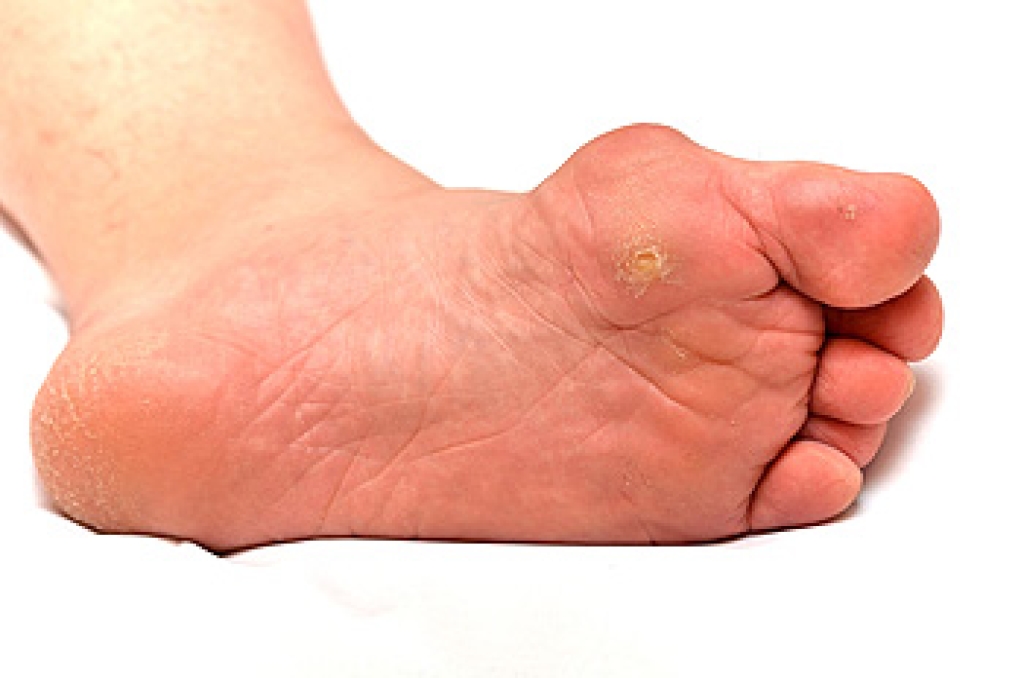
The noticeable symptom of a bunion is a large and hardened bump that forms at the base of the big toe, and many patients consider this to be a bone disorder, which may gradually worsen. The bones in the feet and toes may become affected as a result of this deformity, and it may cause the feet to line up incorrectly. This bump that typically develops on the side of the big toe may push that toe into the toe next to it, which may cause difficulty in wearing shoes and walking. Some patients may feel partial relief when larger size shoes are worn, and this may aid in relieving any pressure that is felt on the toe. Research has shown there may be medical conditions that may precede the formation of a bunion, which may include rheumatoid arthritis, or inherited genes that may lead to low arches. Additional reasons why bunions may form may originate from frequently wearing high heels, which may provide inadequate room for the toes to move freely in. If you are afflicted with a bunion, it is recommended to speak with a podiatrist who can properly guide you to begin correct treatment techniques.

If you are suffering from bunions, contact Dr. Stephen Petrofsky of Florida. Our doctor can provide the care you need to keep you pain-free and on your feet.

What Is a Bunion?

A bunion is formed of swollen tissue or an enlargement of boney growth, usually located at the base joint of the toe that connects to the foot. The swelling occurs due to the bones in the big toe shifting inward, which impacts the other toes of the foot. This causes the area around the base of the big toe to become inflamed and painful.

Why Do Bunions Form?

Genetics – Susceptibility to bunions are often hereditary

Stress on the feet – Poorly fitted and uncomfortable footwear that places stress on feet, such as heels, can worsen existing bunions

How Are Bunions Diagnosed?

Podiatrists often perform two tests – blood tests and x-rays – when trying to diagnose bunions, especially in the early stages of development. Blood tests help determine if the foot pain is being caused by something else, such as arthritis, while x-rays provide a clear picture of your bone structure to your provider.

How Are Bunions Treated?

  • Refrain from wearing heels or similar shoes that cause discomfort
  • Select wider shoes that can provide more comfort and reduce pain
  • Anti-inflammatory and pain management drugs
  • Orthotics or foot inserts
  • Surgery

If you have any questions, please feel free to contact our office located in Port Charlotte, FL . We offer the newest diagnostic and treatment technologies for all your foot care needs.

Read more about Bunions

Several Ways to Treat a Broken Ankle

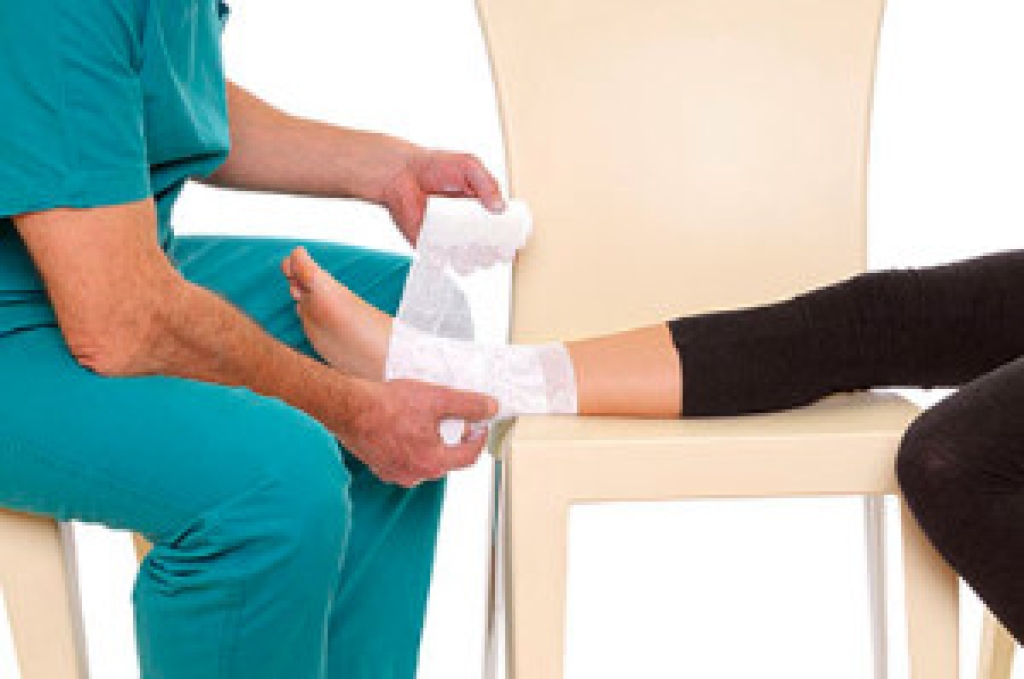
If you have fallen unexpectedly or stepped abruptly off a curb, you may have had the displeasure of experiencing an ankle sprain. It is typically the result of the ankle suddenly twisting or rolling, which may move the ankle out of alignment. There are several ligaments that surround the ankle and may tear if an ankle sprain occurs. There are several symptoms that may be associated with this condition, including noticeable swelling, bruising, and difficulty in bearing weight on the ankle. It’s important to have a proper diagnosis performed, which most likely may include having an X-ray taken. An MRI may be prescribed if the ankle sprain appears to be of a serious nature, or if damage has occurred to the surface of the ankle joint. There are many ways to treat a broken ankle, and this may depend on the severity of the injury. If you feel you have sprained your ankle, it is advised to consult with a podiatrist as quickly as possible who can determine the best course of treatment for you.

Ankle sprains are common but need immediate attention. If you need your feet checked, contact Dr. Stephen Petrofsky from Florida. Our doctor can provide the care you need to keep you pain-free and on your feet.

How Does an Ankle Sprain Occur?

Ankle sprains take place when the ligaments in your ankle are torn or stretched beyond their limits. There are multiple ways that the ankle can become injured, including twisting or rolling over onto your ankle, putting undue stress on it, or causing trauma to the ankle itself.

What Are the Symptoms?

  • Mild to moderate bruising
  • Limited mobility
  • Swelling
  • Discoloration of the skin (depending on severity)

Preventing a Sprain

  • Wearing appropriate shoes for the occasion
  • Stretching before exercises and sports
  • Knowing your limits

Treatment of a Sprain

Treatment of a sprain depends on the severity.  Many times, people are told to rest and remain off their feet completely, while others are given an air cast. If the sprain is very severe, surgery may be required.

If you have suffered an ankle sprain previously, you may want to consider additional support such as a brace and regular exercises to strengthen the ankle.

If you have any questions please feel free to contact our office located in Port Charlotte, FL . We offer the newest diagnostic tools and technology to treat your foot and ankle needs.

Read more about Ankle Sprains

Barefoot Babies

The foot is comprised of several bones, tendons, muscles, and ligaments, which provide us with the ability to balance and stand upright. When babies are born, their feet consist of cartilage and will gradually form into bones as the child gets older, which is typically at eight years of age. Research has shown the importance of babies going barefoot until walking commences, which is generally at approximately twelve months old. This is suggested because the feet can properly stretch without wearing shoes, which may promote stronger foot muscles. Once your child begins to walk, it is important to measure their feet properly, which will determine the correct size shoe to purchase. These shoes should consist of a lightweight and flexible material, and any heel is strongly advised against. If you would like additional information about the health of your child’s foot, please speak with a podiatrist.

The health of a child’s feet is vital to their overall well-being. If you have any questions regarding foot health, contact Dr. Stephen Petrofsky of Florida. Our doctor can provide the care you need to keep you pain-free and on your feet.

Tips for Keeping Children's Feet Healthy

  • Make sure their shoes fit properly
  • Look for any signs of in-toeing or out-toeing
  • Check to see if they have Clubfoot (condition that affects your child’s foot and ankle, twisting the heel and toes inward) which is one of the most common nonmajor birth defects.
  • Lightly cover your baby’s feet (Tight covers may keep your baby from moving their feet freely, and could prevent normal development)
  • Allow your toddler to go shoeless (Shoes can be restricting for a young child’s foot)
  • Cut toenails straight across to avoid ingrown toenails
  • Keep your child’s foot clean and dry
  • Cover cuts and scrapes. Wash any scratches with soap and water and cover them with a bandage until they’ve healed.

If you have any questions, please feel free to contact our office located in Port Charlotte, FL . We offer the newest diagnostic and treatment technologies for all your foot care needs.
Read more about How to Care for Your Child's Feet

There Are Many Different Types of Foot Pain and Causes

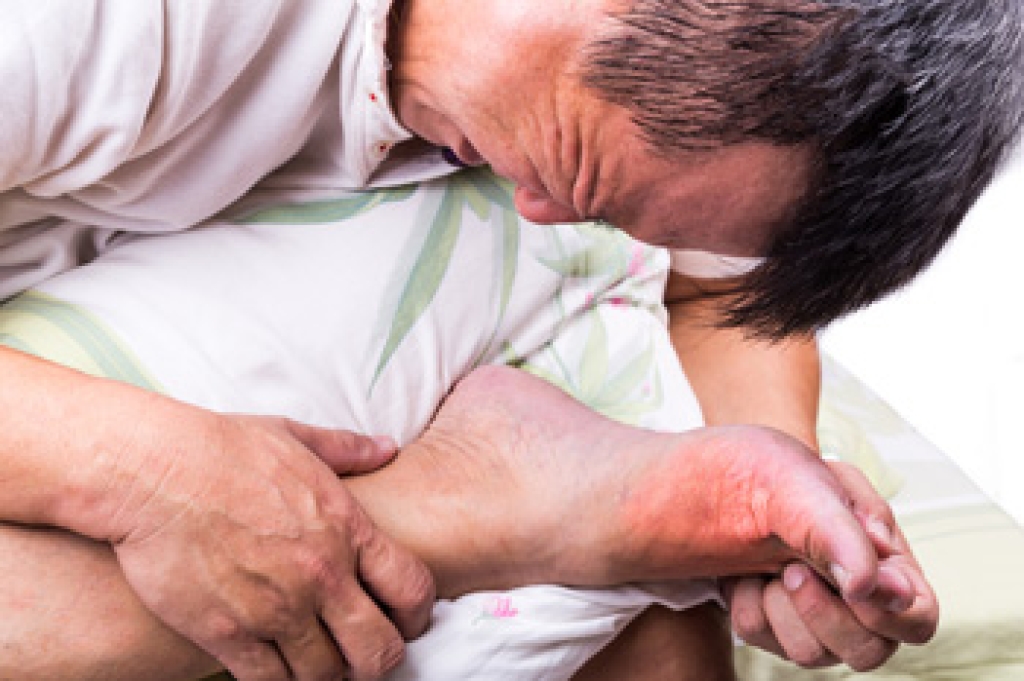
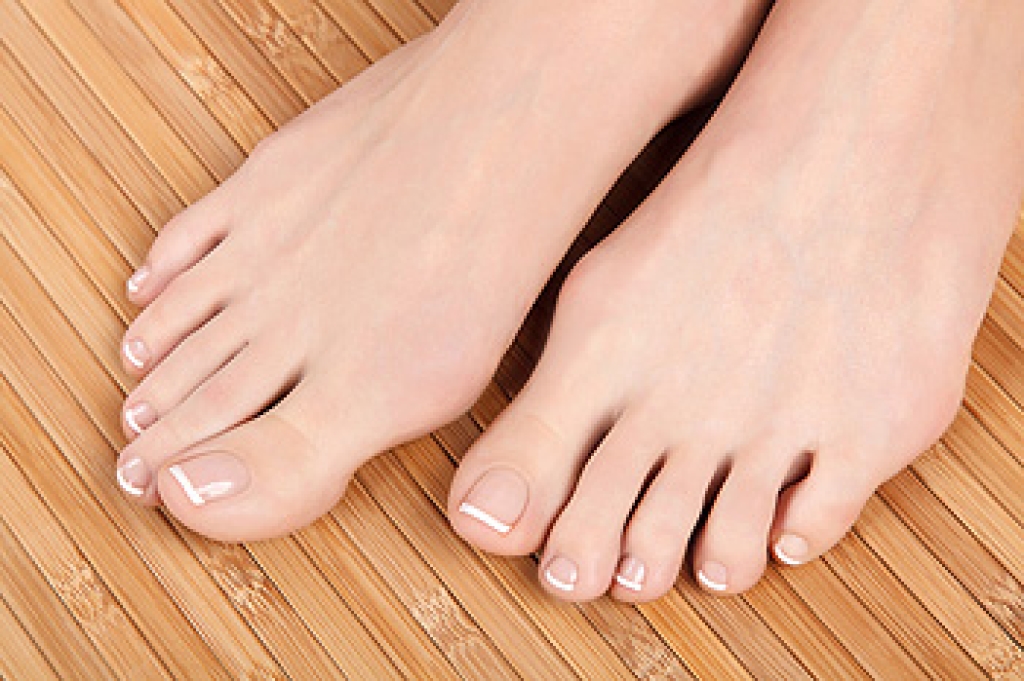
Neuropathy is a type of foot pain that is common among diabetic patients. It will generally affect most of the foot and is caused by elevated blood sugar levels. There are possible treatment options for pain that is present in the majority of the foot, and they may include resting and elevating the feet, or taking specific types of medications. If you are experiencing pain in the toes, there may be a number of reasons why this may occur. A condition that is referred to as gout is known to produce severe pain and discomfort in the big toe and is often caused by excess uric acid in the blood. Additionally, the medical condition known as bunions may produce pain and swelling on the side of the big toe. Pain in the heel may be indicative of plantar fasciitis, and this is defined as an inflammation of the tissue that runs along the bottom of the foot and connects the heel to the toes. It is advised to speak with a podiatrist as quickly as possible if you are experiencing any type of foot pain so a proper diagnosis can be performed.

Foot Pain

Foot pain can be extremely painful and debilitating. If you have a foot pain, consult with Dr. Stephen Petrofsky from Florida. Our doctor will assess your condition and provide you with quality foot and ankle treatment.

Causes

Foot pain is a very broad condition that could be caused by one or more ailments. The most common include:

  • Bunions
  • Hammertoes
  • Plantar Fasciitis
  • Bone Spurs
  • Corns
  • Tarsal Tunnel Syndrome
  • Ingrown Toenails
  • Arthritis (such as Gout, Rheumatoid, and Osteoarthritis)
  • Flat Feet
  • Injury (from stress fractures, broken toe, foot, ankle, Achilles tendon ruptures, and sprains)
  • And more

Diagnosis

To figure out the cause of foot pain, podiatrists utilize several different methods. This can range from simple visual inspections and sensation tests to X-rays and MRI scans. Prior medical history, family medical history, and any recent physical traumatic events will all be taken into consideration for a proper diagnosis.

Treatment

Treatment depends upon the cause of the foot pain. Whether it is resting, staying off the foot, or having surgery; podiatrists have a number of treatment options available for foot pain.

If you have any questions, please feel free to contact our office located in Port Charlotte, FL . We offer the newest diagnostic and treatment technologies for all your foot care needs.
Read more about Foot Pain

It Is Important to Take Care of Diabetic Feet

When the sugar levels in the blood become elevated, the medical condition that is known as diabetes may occur. The feet may become affected as a result of this, and proper care must be given, which may avoid uncomfortable and painful foot ailments. These may include diabetic neuropathy, which may make it difficult to feel any wounds or cuts that may be present, or peripheral vascular disease, which may limit blood flow to the feet. Research has shown that foot conditions that are associated with diabetes will benefit from effective treatment methods when implemented. These may include properly taking care of wounds or infections that may have developed, in addition to possibly wearing a boot, which may relieve pressure off the foot. If you are a diabetic patient, it is suggested that you consult with a podiatrist as quickly as possible who can properly monitor this condition, which may affect the feet.

Diabetic foot care is important in preventing foot ailments such as ulcers. If you are suffering from diabetes or have any other concerns about your feet, contact Dr. Stephen Petrofsky from Florida. Our doctor can provide the care you need to keep you pain-free and on your feet.

Diabetic Foot Care

Diabetes affects millions of people every year. The condition can damage blood vessels in many parts of the body, especially the feet. Because of this, taking care of your feet is essential if you have diabetes, and having a podiatrist help monitor your foot health is highly recommended.

The Importance of Caring for Your Feet

  • Routinely inspect your feet for bruises or sores.
  • Wear socks that fit your feet comfortably.
  • Wear comfortable shoes that provide adequate support.

Patients with diabetes should have their doctor monitor their blood levels, as blood sugar levels play such a huge role in diabetic care. Monitoring these levels on a regular basis is highly advised.

It is always best to inform your healthcare professional of any concerns you may have regarding your feet, especially for diabetic patients. Early treatment and routine foot examinations are keys to maintaining proper health, especially because severe complications can arise if proper treatment is not applied.

If you have any questions, please feel free to contact our office located in Port Charlotte, FL . We offer the newest diagnostic and treatment technologies for all your foot care needs.

Read more about How to Care for Diabetic Foot
Connect with us