Blog

Shoes That Are Too Big, Too Small, and Just Right

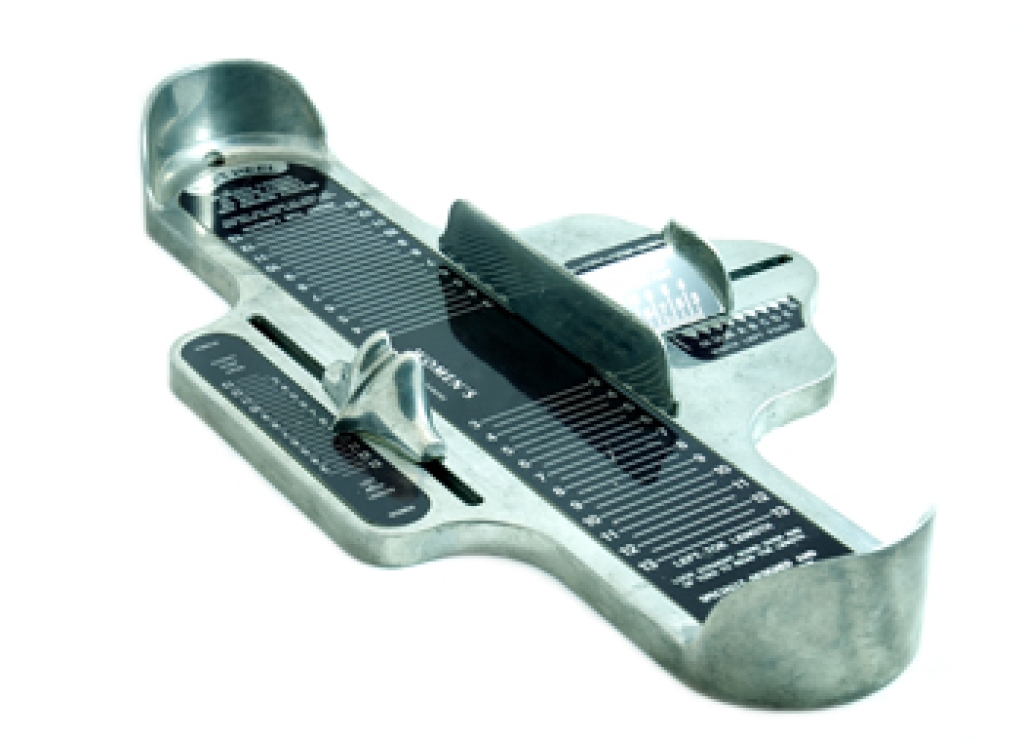
There are various foot conditions that can be caused by wearing shoes that do not fit correctly. Bunions, hammertoes, and ingrown toenails are some of these ailments, and getting the right shoe size may help to prevent these from developing. It is imperative to determine what your correct shoe size is before any purchases are made. This can be done by using the Brannock device that is found in most shoe stores, which can measure the length and width of your foot. Once the size has been determined, the next step is to choose a pair that is pleasing to the eye, then try them on. This is followed by walking around in them for a short period of time in the store, which is when most people can tell if the shoe is right for them. If the shoes are too tight, they may cause blisters or corns to develop, and may need to be purchased in a half or more size larger. If the shoes are too big, they may slip on your feet, and this can increase the risk of falling. If you would like more information about how to find the right shoe size for you, please consult a podiatrist who can help you to make the right choice.

Getting the right shoe size is an important part of proper foot health. Seek the assistance of Dr. Stephen Petrofsky from Florida. Our doctor will provide the care you need to keep you pain-free and on your feet.

Getting the Right Shoe Size

There are many people who wear shoes that are the incorrect size, negatively affecting their feet and posture. Selecting the right shoes is not a difficult process, so long as you keep several things in mind when it comes to choosing the right pair.

  • When visiting the shoe store, use the tools available to measure your foot.
  • Be sure there is ‘wiggle room’. There should be about an inch between your toes and the tip of your shoes.
  • Do not always assume you are the same size, as manufacturers run differently.
  • Purchase shoes later in the day, as your feet swell as the day progresses.
  • If a shoe is not comfortable, it is not suitable. Most shoes can’t be ‘broken in’, and comfort should be the ultimate goal when it comes to choosing the right pair of shoes

As our feet hold our body weight and keep us moving, it is important to treat them right. Picking the right pair of shoes can provide your feet comfort and mobility without pain.

If you have any questions, please feel free to contact our office located in Port Charlotte, FL . We offer the newest diagnostic and treatment technologies for all your foot care needs.
Read more about Getting the Right Shoe Size: To Keep Your Feet Happy

Do Your Child's Feet Hurt?

Have your child's feet been examined lately? Healthy feet are happy feet. If your child is complaining of foot pain, it may be a sign of underlying problems.

Types of Surgery for Hammertoe

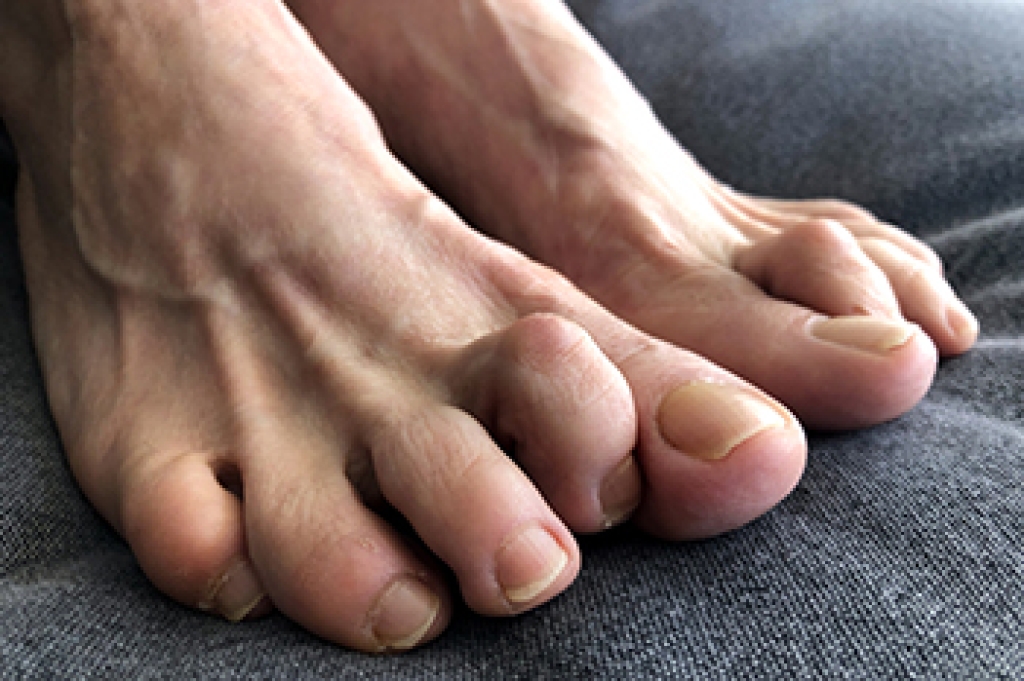
A hammertoe is noticeable by the center joint of the toe forming a mountain-like shape rather than lying flat. Hammertoes can be caused by muscle imbalance, rheumatoid arthritis, or wearing shoes that fit improperly. The raised joint becomes painful as it rubs against the top of the shoe and can cause corns or calluses to develop. If the hammertoe is in a fixed position some form of surgery may be the best remedy for eliminating the symptoms that coincide. One solution is to remove parts of the toe bones. A second option is cutting or transplanting tendons in the toe. A third plan is to straighten the toe by fusing the bones which also keeps it from bending. It is strongly urged to seek the counsel of a podiatrist to decide which alternative is best for you. 

Hammertoe

Hammertoes can be a painful condition to live with. For more information, contact Dr. Stephen Petrofsky from Florida. Our doctor will answer any of your foot- and ankle-related questions.

Hammertoe is a foot deformity that affects the joints of the second, third, fourth, or fifth toes of your feet. It is a painful foot condition in which these toes curl and arch up, which can often lead to pain when wearing footwear.

Symptoms

  • Pain in the affected toes
  • Development of corns or calluses due to friction
  • Inflammation
  • Redness
  • Contracture of the toes

Causes

Genetics – People who are genetically predisposed to hammertoe are often more susceptible

Arthritis – Because arthritis affects the joints in your toes, further deformities stemming from arthritis can occur

Trauma – Direct trauma to the toes could potentially lead to hammertoe

Ill-fitting shoes – Undue pressure on the front of the toes from ill-fitting shoes can potentially lead to the development of hammertoe

Treatment

Orthotics – Custom made inserts can be used to help relieve pressure placed on the toes and therefore relieve some of the pain associated with it

Medications – Oral medications such as anti-inflammatories or NSAIDs could be used to treat the pain and inflammation hammertoes causes. Injections of corticosteroids are also sometimes used

Surgery – In more severe cases where the hammertoes have become more rigid, foot surgery is a potential option

If you have any questions, please feel free to contact our office located in Port Charlotte, FL . We offer the newest diagnostic and treatment technologies for all your foot care needs.
Read more about What Are Hammertoes?

Space in a Good Pair of Shoes

Although many shoe shoppers are primarily concerned with finding a fashionable pair of shoes that suits their specific style preferences, this might not be the best way to go about shoe shopping. First and foremost, shoes must fit the foot properly and comfortably. One critical aspect of what makes a shoe fit properly is the amount of space in the toe box. As a general rule, it is not a good idea for your toes to be pressed up against the front of the shoe. It is important to remember that your feet move around while you are in motion (walking, running, etc.), and so you need sufficient room in the toe box to account for this foot movement. So the next time that you are out shoe shopping and are trying a new pair of shoes on, you might consider moving around in them and noticing if you can feel the tips of your toes touching the front of the shoe. If you do, select a shoe with a larger toe box. Contact a podiatrist for more tips on proper shoe fitting.

Finding a properly-fitting shoe is important in reducing injuries and preventing foot problems. For more information about treatment, contact Dr. Stephen Petrofsky from Florida. Our doctor will treat your foot and ankle needs.

Proper Shoe Fitting

A common concern when it comes to foot health, having properly fitted shoes can help prevent injuries to the foot. Out feet affect our posture and gait, which in turn affects the biomechanics and overall bodily structure. With 33 joints, 26 bones, and over 100 ligaments, the potential for serious injury is much greater than one realizes. Although the feet cease growth in adulthood, they still change shape as they mature. Here are some factors to consider when it comes to investing in proper fitting shoes:

  • Be sure the shoes fit correctly right away
  • Ensure the ball of your foot fits comfortably in the widest portion of the shoes
  • Even though they may look fashionable, improper fitting shoes can either create adverse conditions or exacerbate existing ones you may already have
  • Walk along a carpeted surface to ensure the shoes comfortably fit during normal activity

Keeping in mind how shoes fit the biomechanics of your body, properly-fitting shoes are vitally important. Fortunately, it is not difficult to acquire footwear that fits correctly. Be sure to wear shoes that support the overall structure of your body. Do your feet a favor and invest in several pairs of well-fitted shoes today.

If you have any questions, please feel free to contact our office located in Port Charlotte, FL . We offer the newest diagnostic and treatment technologies for all your foot care needs.
Read more about Proper Shoe Fitting

What Is Freiberg’s Disease?

Rare foot diseases will obviously not affect a wide majority of individuals across the country. However, it can be important and helpful to learn more about these unique conditions, such as Freiberg’s disease. This condition has a negative impact on the second or third metatarsal bones, which can lead to sensations of stiffness at the affected area. If you have Freiberg’s disease, you might even experience swelling or feel pain in the front of the foot. Typically, putting weight on the feet when walking, running, or jumping can exacerbate these symptoms. Although the precise cause of Freiberg’s disease is still elusive, it may be caused by microtrauma near the metaphysis. If you want to learn more about Freiberg’s disease and other rare foot conditions, contact a podiatrist today. 

Some foot conditions may require additional professional care. If you have any concerns, contact Dr. Stephen Petrofsky of Florida. Our doctor can provide the care you need to keep you pain-free and on your feet.

Rare Foot Conditions

The majority of foot conditions are common and can be treated by a podiatrist.  Standard diagnostic procedures are generally used to identify specific conditions and treatment can be rendered. A podiatrist also treats rare foot conditions which can be difficult to diagnose and may need extra attention and care. 

There are many rare foot conditions that can affect children. Some of these can include:

  • Freiberg’s disease
  • Kohler’s disease
  • Maffucci syndrome

Freiberg’s disease - This can be seen as a deterioration and flattening of a metatarsal bone that exists in the ball of the foot. It typically affects pre-teen and teenage girls, but can affect anyone at any age. Symptoms that can accompany this can be swelling, stiffness, and the patient may limp. 

Kohler’s disease - This often targets the bone in the arch of the foot and affects younger boys. It can lead to an interruption of the blood supply which ultimately can lead to bone deterioration. The patient may limp or experience tenderness, swelling, and redness.

Maffucci syndrome - This affects the long bones in a child’s foot leading to the development of abnormal bone lesions. They are benign growths and typically develop in early childhood and the bones may be susceptible to breaking. 

A podiatrist can properly diagnose and treat all types of rare foot conditions. If your child is affected by any of these symptoms or conditions, please don’t hesitate to call our office so the correct treatment method can begin.

If you have any questions, please feel free to contact our office located in Port Charlotte, FL . We offer the newest diagnostic and treatment technologies for all your foot care needs.

Read more about Rare Foot Conditions
Connect with us