Blog

Recognizing the Symptoms of Gout

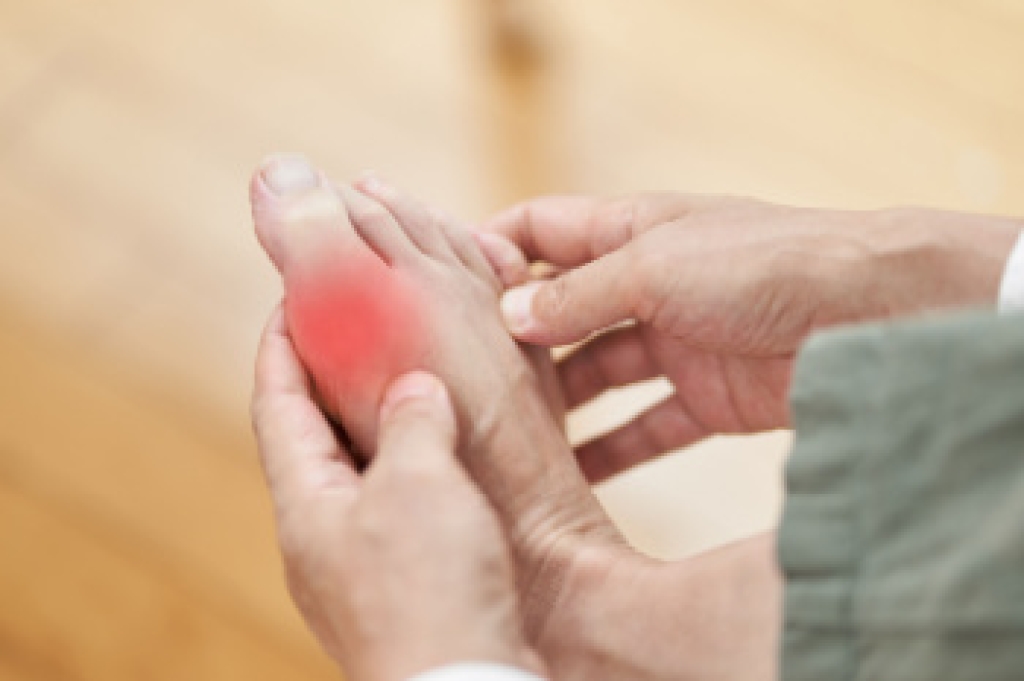
Gout is a form of inflammatory arthritis caused by a buildup of uric acid in the bloodstream, which then forms sharp crystals inside the joints. One of the most common and painful locations for a gout attack is the big toe. Symptoms include sudden and intense pain, swelling, redness, warmth, and tenderness in the joint. The big toe is especially vulnerable because it is the farthest joint from the heart, which can reduce efficient circulation, and it tends to be cooler than the rest of the body. Uric acid crystals form more easily in colder temperatures, making this joint a frequent target. Without proper care, repeated gout attacks can lead to joint damage. If your big toe is painful, it is suggested that you consult a podiatrist who can accurately diagnose the cause and provide appropriate treatment.

Gout is a painful condition that can be treated. If you are seeking treatment, contact Dr. Stephen Petrofsky from Florida. Our doctor will treat your foot and ankle needs.

What Is Gout?

Gout is a form of arthritis that is characterized by sudden, severe attacks of pain, redness, and tenderness in the joints. The condition usually affects the joint at the base of the big toe. A gout attack can occur at any random time, such as the middle of the night while you are asleep.

Symptoms

  • Intense Joint Pain - Usually around the large joint of your big toe, and it most severe within the first four to twelve hours
  • Lingering Discomfort - Joint discomfort may last from a few days to a few weeks
  • Inflammation and Redness -Affected joints may become swollen, tender, warm and red
  • Limited Range of Motion - May experience a decrease in joint mobility

Risk Factors

  • Genetics - If family members have gout, you’re more likely to have it
  • Medications - Diuretic medications can raise uric acid levels
  • Gender/Age - Gout is more common in men until the age of 60. It is believed that estrogen protects women until that point
  • Diet - Eating red meat and shellfish increases your risk
  • Alcohol - Having more than two alcoholic drinks per day increases your risk
  • Obesity - Obese people are at a higher risk for gout

Prior to visiting your podiatrist to receive treatment for gout, there are a few things you should do beforehand. If you have gout you should write down your symptoms--including when they started and how often you experience them, important medical information you may have, and any questions you may have. Writing down these three things will help your podiatrist in assessing your specific situation so that he or she may provide the best route of treatment for you.

If you have any questions, please feel free to contact our office located in Port Charlotte, FL . We offer the newest diagnostic and treatment technologies for all your foot care needs.
Read more about Everything You Need to Know About Gout

Understanding Sever’s Disease

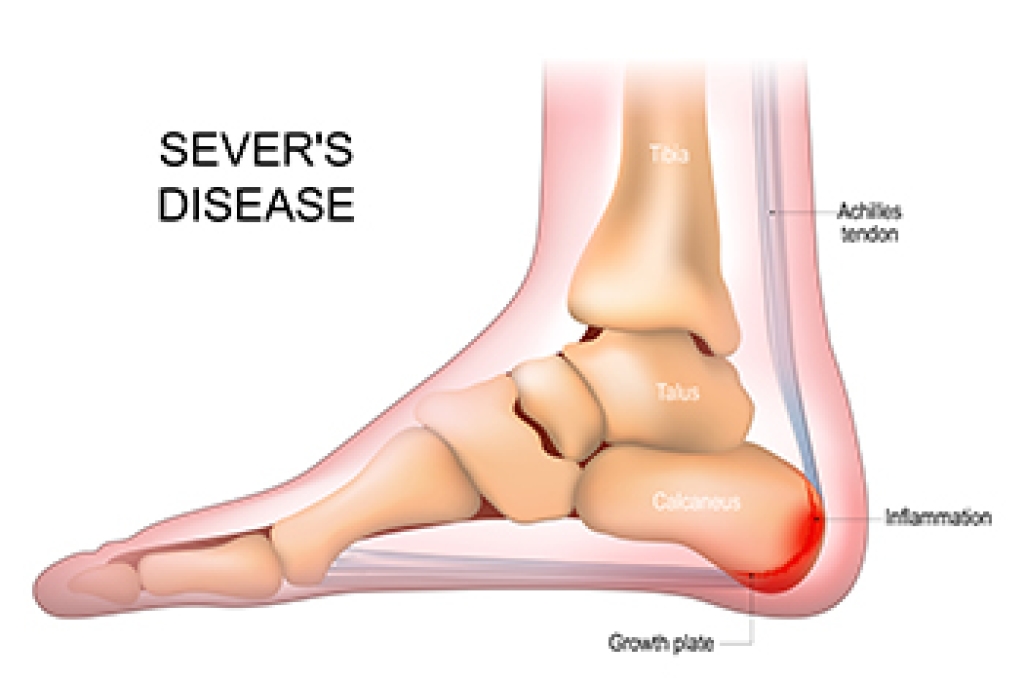
Sever's disease is a common cause of heel pain in active children, especially during periods of rapid growth. Sever's disease develops when repetitive stress irritates the growth plate at the back of the heel bone where the Achilles tendon attaches. Running, jumping, and sports with frequent starts and stops can increase strain on this sensitive area. Children may report heel pain during or after activity, limp, or avoid placing weight on the heel. Symptoms may affect one or both feet and often worsen during sports seasons. A podiatrist can assess foot structure, gait, and activity demands to confirm the diagnosis and rule out other causes of heel pain. Treatment focuses on reducing stress at the heel and supporting a safe return to activity for young athletes. If your active child displays symptoms of Sever's disease, it is suggested that you make an appointment with a podiatrist for an exam, diagnosis, and treatment.

Sever's disease often occurs in children and teens. If your child is experiencing foot or ankle pain, see Dr. Stephen Petrofsky from Florida. Our doctor can treat your child’s foot and ankle needs.

Sever’s Disease

Sever’s disease is also known as calcaneal apophysitis, which is a medical condition that causes heel pain I none or both feet. The disease is known to affect children between the ages of 8 and 14.

Sever’s disease occurs when part of the child’s heel known as the growth plate (calcaneal epiphysis) is attached to the Achilles tendon. This area can suffer injury when the muscles and tendons of the growing foot do not keep pace with bone growth. Therefore, the constant pain which one experiences at the back of the heel will make the child unable to put any weight on the heel. The child is then forced to walk on their toes.

Symptoms

Acute pain – Pain associated with Sever’s disease is usually felt in the heel when the child engages in physical activity such as walking, jumping and or running.

Highly active – Children who are very active are among the most susceptible in experiencing Sever’s disease, because of the stress and tension placed on their feet.

If you have any questions, please feel free to contact our office located in Port Charlotte, FL . We offer the newest diagnostic and treatment technologies for all your foot care needs.

Read more about Sever's Disease

How Peripheral Artery Disease Affects the Feet

Peripheral artery disease, or PAD, occurs when narrowed arteries reduce blood flow to the legs and feet. This most often develops from plaque buildup along artery walls, which limits oxygen delivery to tissues. Poor circulation can cause symptoms such as leg cramping with walking, cold feet, slow growing toenails, or skin that appears thin and shiny. In more advanced cases, wounds may heal slowly or not at all. Risk factors include diabetes, smoking, high blood pressure, high cholesterol, and increasing age. Treatment focuses on improving circulation and reducing complications. This may involve lifestyle changes, medication, wound care, and close monitoring of foot health. Early detection is important because reduced blood flow increases the risk of infection and tissue damage. If you notice persistent leg pain, changes in foot skin, or slow healing sores, it is suggested that you see a podiatrist for a proper diagnosis and appropriate treatment.

Peripheral artery disease can pose a serious risk to your health. It can increase the risk of stroke and heart attack. If you have symptoms of peripheral artery disease, consult with Dr. Stephen Petrofsky from Florida. Our doctor will assess your condition and provide you with quality foot and ankle treatment.

Peripheral artery disease (PAD) is when arteries are constricted due to plaque (fatty deposits) build-up. This results in less blood flow to the legs and other extremities. The main cause of PAD is atherosclerosis, in which plaque builds up in the arteries.

Symptoms

Symptoms of PAD include:

  • Claudication (leg pain from walking)
  • Numbness in legs
  • Decrease in growth of leg hair and toenails
  • Paleness of the skin
  • Erectile dysfunction
  • Sores and wounds on legs and feet that won’t heal
  • Coldness in one leg

It is important to note that a majority of individuals never show any symptoms of PAD.

Diagnosis

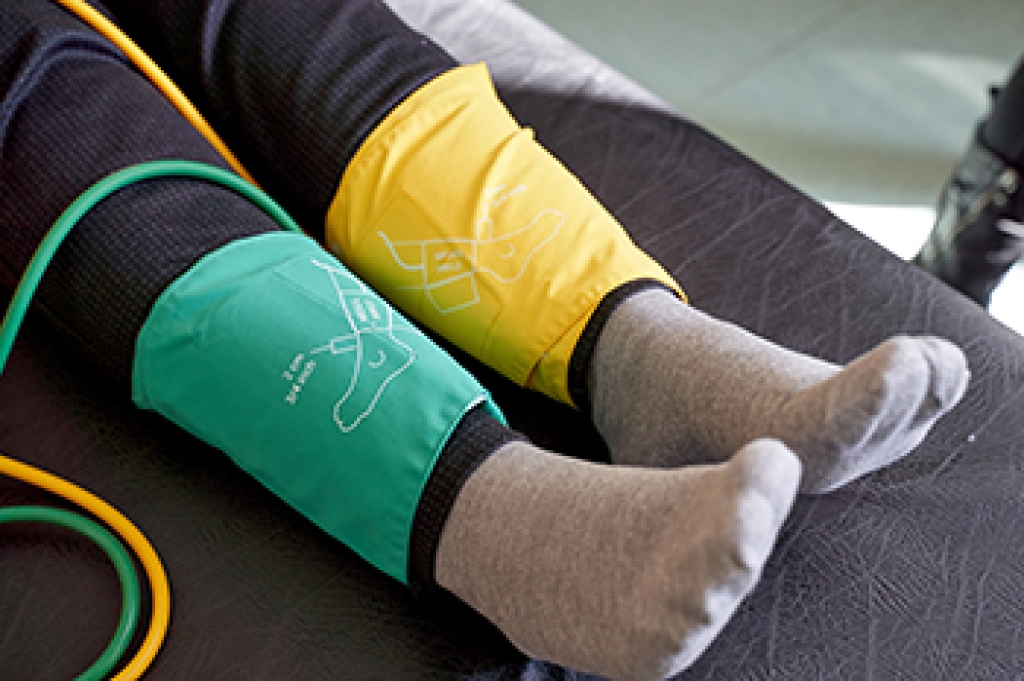
While PAD occurs in the legs and arteries, Podiatrists can diagnose PAD. Podiatrists utilize a test called an ankle-brachial index (ABI). An ABI test compares blood pressure in your arm to you ankle to see if any abnormality occurs. Ultrasound and imaging devices may also be used.

Treatment

Fortunately, lifestyle changes such as maintaining a healthy diet, exercising, managing cholesterol and blood sugar levels, and quitting smoking, can all treat PAD. Medications that prevent clots from occurring can be prescribed. Finally, in some cases, surgery may be recommended.

If you have any questions, please feel free to contact our office located in Port Charlotte, FL . We offer the newest diagnostic and treatment technologies for all your foot care needs.

Read more about Peripheral Artery Disease

Plantar Warts Can Be Treated!

Plantar warts are small growths that develop on parts of the feet that bear weight. They're typically found on the bottom of the foot. Don't live with plantar warts, and call us today!

Toe Arthritis

Arthritic pain and stiffness in the toes often develop gradually and can make walking, standing, or wearing shoes uncomfortable. Degenerative joint changes are a common cause, especially with aging, past injuries, repetitive stress, or long-standing foot mechanics that overload small joints. Inflammatory conditions and autoimmune disease may also affect the toe joints. Common signs include aching or burning discomfort, swelling, reduced range of motion, and difficulty pushing off while walking. Some people notice joint enlargement, altered toe position, or increased pain with cold weather or activity. Care focuses on reducing stress through footwear changes, activity modification, and custom orthotics to improve alignment. Anti-inflammatory strategies, targeted exercises, and injections may help manage symptoms. In advanced cases, surgical options can restore function or relieve pain. Early evaluation often prevents progression and protects mobility. If you feel pain or stiffness in your toes, it is suggested that you see a podiatrist for a proper evaluation and treatment options.

Arthritis can be a difficult condition to live with. If you are seeking treatment, contact Dr. Stephen Petrofsky from Florida. Our doctor can provide the care you need to keep you pain-free and on your feet.

Arthritic Foot Care  

Arthritis is a joint disorder that involves the inflammation of different joints in your body, such as those in your feet. Arthritis is often caused by a degenerative joint disease and causes mild to severe pain in all affected areas. In addition to this, swelling and stiffness in the affected joints can also be a common symptom of arthritis.

In many cases, wearing ill-fitting shoes can worsen the effects and pain of arthritis. Wearing shoes that have a lower heel and extra room can help your feet feel more comfortable. In cases of rheumatoid arthritis, the arch in your foot may become problematic. Buying shoes with proper arch support that contour to your feet can help immensely.

Alleviating Arthritic Pain

  • Exercises that stretch the foot can prevent further pain and injury and increase mobility
  • Most of the pain can be alleviated with anti-inflammatory drugs, heat, and topical medications
  • Massages can help temporarily alleviate pain.

It is best to see your doctor for the treatment that is right for your needs and symptoms. Conditions vary, and a podiatrist can help you determine the right method of care for your feet.

If you have any questions please feel free to contact our office located in Port Charlotte, FL . We offer the newest diagnostic tools and technology to treat your foot and ankle needs.

Read more about Arthritic Foot Care
Connect with us