Blog

Painful Ingrown Toenails

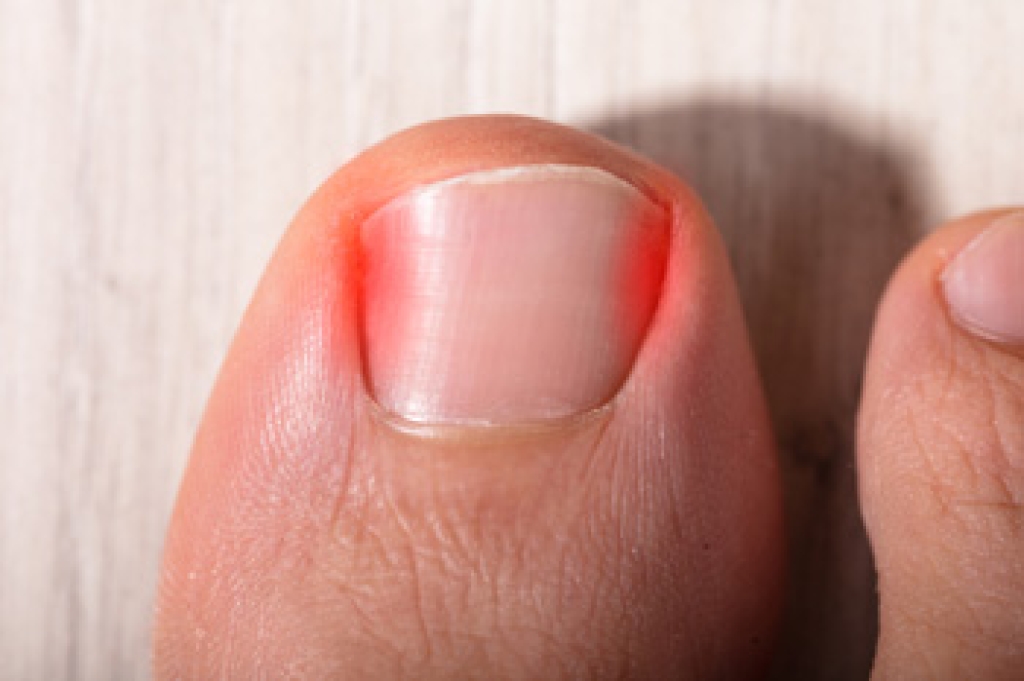
Ingrown toenails, a common foot ailment, occur when the toenail's edge grows into the surrounding skin, often causing pain, redness, and swelling. This condition can affect any toe but is most frequently seen on the big toe. The causes of ingrown toenails are diverse, typically stemming from improper nail trimming, where cutting the nail too short or rounding its edges can encourage it to grow into the skin. Wearing ill-fitting shoes that compress the toes or trauma to the nail can also trigger ingrowth. Additionally, some individuals may have a genetic predisposition to ingrown toenails due to the natural shape of their nails. Hygiene also plays a role, as fungal infections can thicken the nail, making it more likely to become ingrown. If not addressed promptly, ingrown toenails can lead to infections, making early care essential for foot health. If you have developed an ingrown toenail, it is strongly suggested that you are under the care of a podiatrist who can effectively treat this condition.

Ingrown toenails can become painful if they are not treated properly. For more information about ingrown toenails, contact Dr. Stephen Petrofsky of Florida. Our doctor can provide the care you need to keep you pain-free and on your feet.

Ingrown Toenails

Ingrown toenails occur when a toenail grows sideways into the bed of the nail, causing pain, swelling, and possibly infection.

Causes

  • Bacterial infections
  • Improper nail cutting such as cutting it too short or not straight across
  • Trauma to the toe, such as stubbing, which causes the nail to grow back irregularly
  • Ill-fitting shoes that bunch the toes too close together
  • Genetic predisposition

Prevention

Wearing proper fitting shoes and using proper cutting techniques will also help decrease your risk of developing ingrown toenails.

Treatment

Ingrown toenails are a very treatable foot condition. In minor cases, soaking the affected area in salt or antibacterial soaps will not only help with the ingrown nail itself, but also help prevent any infections from occurring. In more severe cases, surgery is an option. In either case, speaking to your podiatrist about this condition will help you get a better understanding of specific treatment options that are right for you.

If you have any questions, please feel free to contact our office located in Port Charlotte, FL . We offer the newest diagnostic and treatment technologies for all your foot care needs.

Read more about Ingrown Toenails

Risk Factors and Symptoms of Ankle Gout

Gout is a painful form of inflammatory arthritis that can affect various joints in the body, usually the big toe. When it strikes the ankle, it's referred to as ankle gout. This condition can be identified by sudden and intense pain, swelling, and redness in the affected joint. The root cause of gout in the ankle is a buildup of uric acid. This waste product is produced during the breakdown of purines, which are found in certain foods, like red meat and seafood. Normally, your body transports uric acid to the kidneys for elimination in urine. But if not properly flushed out, excessive uric acid remains in the bloodstream, termed hyperuricemia. Eventually, uric acid crystals can accumulate in certain joints, including the ankle joint, and cause the classic symptoms of pain, swelling, and redness. Gout flares usually peak within 12 to 24 hours of onset and gradually improve over one to two weeks, with or without treatment. Some individuals may experience only one gout flare in their lifetime, while others suffer from recurring flares. In cases of recurring gout flares, symptoms can become more severe and prolonged, potentially leading to joint damage. If you suspect you have ankle gout, it is suggested that you make an appointment with a podiatrist for a proper diagnosis and more advanced treatment options.

Gout is a painful condition that can be treated. If you are seeking treatment, contact Dr. Stephen Petrofsky from Florida. Our doctor will treat your foot and ankle needs.

What Is Gout?

Gout is a form of arthritis that is characterized by sudden, severe attacks of pain, redness, and tenderness in the joints. The condition usually affects the joint at the base of the big toe. A gout attack can occur at any random time, such as the middle of the night while you are asleep.

Symptoms

  • Intense Joint Pain - Usually around the large joint of your big toe, and it most severe within the first four to twelve hours
  • Lingering Discomfort - Joint discomfort may last from a few days to a few weeks
  • Inflammation and Redness -Affected joints may become swollen, tender, warm and red
  • Limited Range of Motion - May experience a decrease in joint mobility

Risk Factors

  • Genetics - If family members have gout, you’re more likely to have it
  • Medications - Diuretic medications can raise uric acid levels
  • Gender/Age - Gout is more common in men until the age of 60. It is believed that estrogen protects women until that point
  • Diet - Eating red meat and shellfish increases your risk
  • Alcohol - Having more than two alcoholic drinks per day increases your risk
  • Obesity - Obese people are at a higher risk for gout

Prior to visiting your podiatrist to receive treatment for gout, there are a few things you should do beforehand. If you have gout you should write down your symptoms--including when they started and how often you experience them, important medical information you may have, and any questions you may have. Writing down these three things will help your podiatrist in assessing your specific situation so that he or she may provide the best route of treatment for you.

If you have any questions, please feel free to contact our office located in Port Charlotte, FL . We offer the newest diagnostic and treatment technologies for all your foot care needs.
Read more about Everything You Need to Know About Gout

Tips for a Speedy Recovery From a Broken Toe

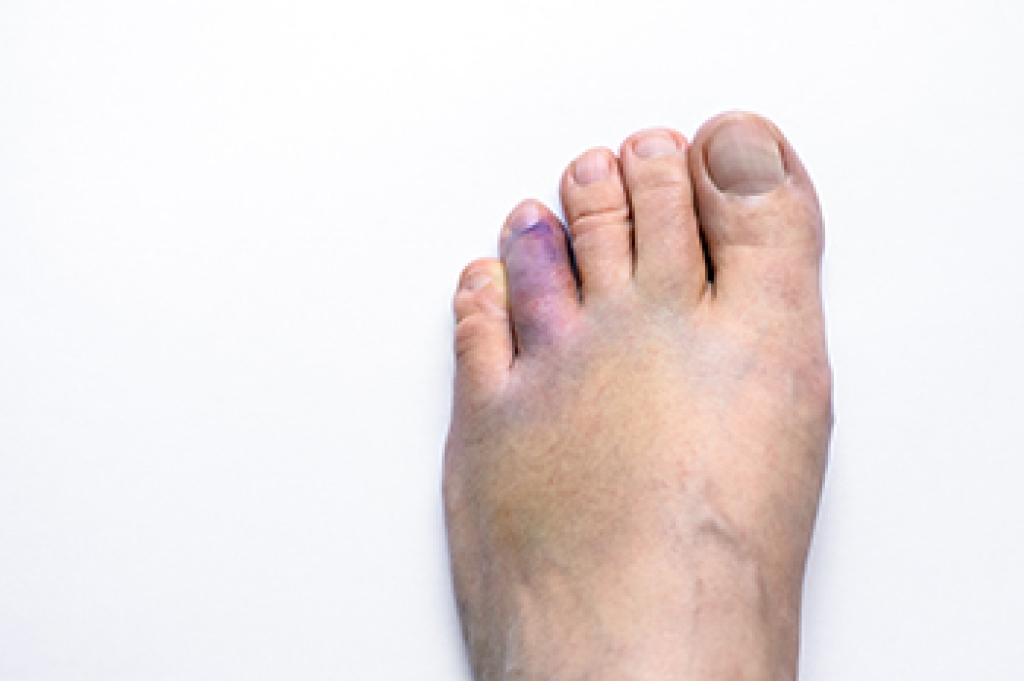
A broken toe can be a painful and inconvenient injury, but with proper care, you can help it heal more quickly and minimize discomfort. First and foremost, it is essential to rest and protect the injured toe. This means avoiding putting weight on it and wearing comfortable, supportive footwear. Swelling and pain can be reduced by elevating the foot whenever possible, and taking over-the-counter pain relievers may provide some relief. In some cases, a splint or buddy taping the broken toe to its neighbor toe can aid in stabilization. Be mindful of any signs of infection, such as increased pain, redness, or discharge, and seek medical attention promptly if you notice these symptoms. Patience is key when caring for a broken toe, as it may take several weeks to fully heal. If you have broken your toe, it is suggested that you contact a podiatrist who can accurately diagnose this condition, and guide you toward the treatment that is right for you.

Broken toes may cause a lot of pain and should be treated as soon as possible. If you have any concerns about your feet, contact Dr. Stephen Petrofsky from Florida. Our doctor will treat your foot and ankle needs.

What Is a Broken Toe?

A broken toe occurs when one or more of the toe bones of the foot are broken after an injury. Injuries such as stubbing your toe or dropping a heavy object on it may cause a toe fracture.

Symptoms of a Broken Toe

  • Swelling
  • Pain (with/without wearing shoes)
  • Stiffness
  • Nail Injury

Although the injured toe should be monitored daily, it is especially important to have a podiatrist look at your toe if you have severe symptoms. Some of these symptoms include worsening or new pain that is not relieved with medication, sores, redness, or open wounds near the toe.

If you have any questions please feel free to contact our office located in Port Charlotte, FL . We offer the newest diagnostic tools and technology to treat your foot and ankle needs.

Read more about What to Know About a Broken Toe

Why Live with Pain and Numbness in Your Feet?

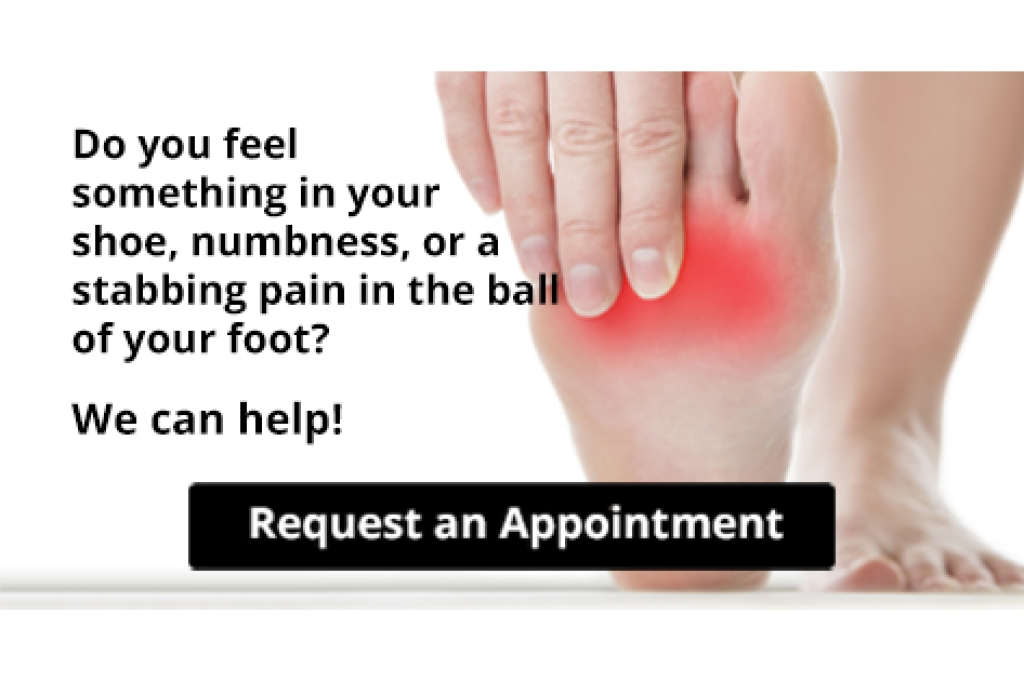
Suffering from this type of pain? You may have the foot condition known as Morton's neuroma. Morton's neuroma may develop as a result of ill-fitting footwear and existing foot deformities. We can help.

Facts About Children Walking on Tiptoe

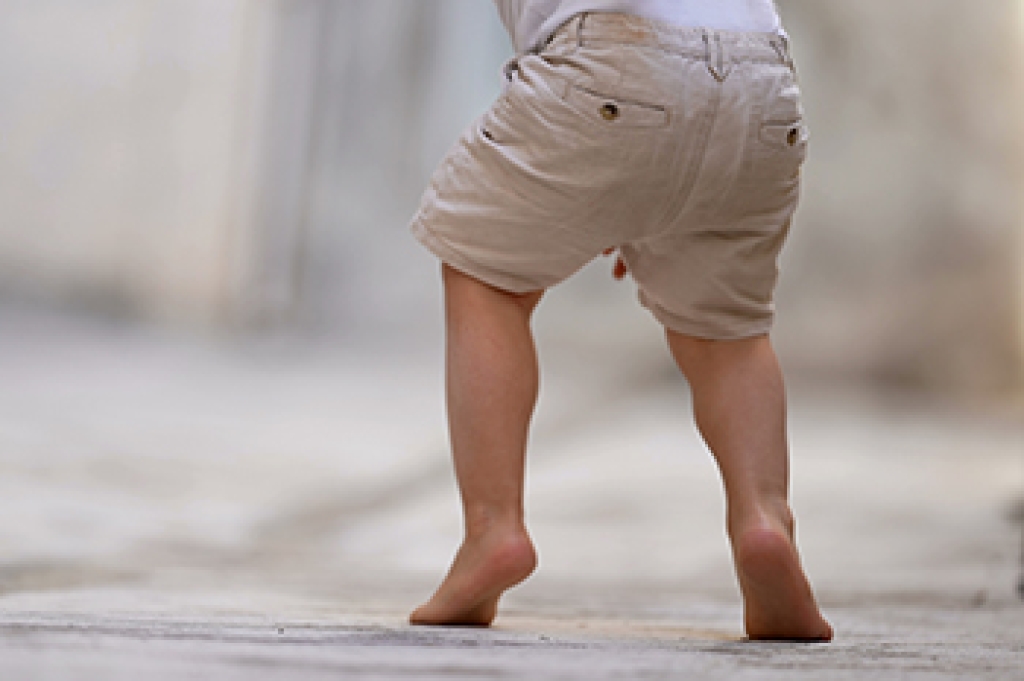
While occasional tiptoe walking is normal in toddlers who are exploring their bodies, persistent tiptoe walking may signal underlying issues that require attention from a podiatrist. One common cause is idiopathic toe walking, as sometimes children walk on tiptoe without any apparent reason. This condition usually resolves by the time the child is three years old, but persistent cases may require evaluation. Another potential cause is a tight Achilles tendon, as a shortened Achilles tendon can make it uncomfortable for a child to place their heels on the ground. Some children with sensory processing disorders may prefer tiptoe walking due to heightened sensitivity in their feet. Tiptoe walking can lead to muscle imbalances and joint issues in the long run, which may affect a child's balance and coordination, potentially leading to falls and injuries. If you notice that your child is frequently walking on tiptoe, it is suggested that you make an appointment with a podiatrist for a thorough evaluation and appropriate treatment. Early intervention can help your child develop a healthier, more comfortable gait.

The health of a child’s feet is vital to their overall well-being. If you have any questions regarding foot health, contact Dr. Stephen Petrofsky of Florida. Our doctor can provide the care you need to keep you pain-free and on your feet.

Tips for Keeping Children's Feet Healthy

  • Make sure their shoes fit properly
  • Look for any signs of in-toeing or out-toeing
  • Check to see if they have Clubfoot (condition that affects your child’s foot and ankle, twisting the heel and toes inward) which is one of the most common nonmajor birth defects.
  • Lightly cover your baby’s feet (Tight covers may keep your baby from moving their feet freely, and could prevent normal development)
  • Allow your toddler to go shoeless (Shoes can be restricting for a young child’s foot)
  • Cut toenails straight across to avoid ingrown toenails
  • Keep your child’s foot clean and dry
  • Cover cuts and scrapes. Wash any scratches with soap and water and cover them with a bandage until they’ve healed.

If you have any questions, please feel free to contact our office located in Port Charlotte, FL . We offer the newest diagnostic and treatment technologies for all your foot care needs.
Read more about How to Care for Your Child's Feet
Connect with us