Blog

How Ankle Sprains Occur

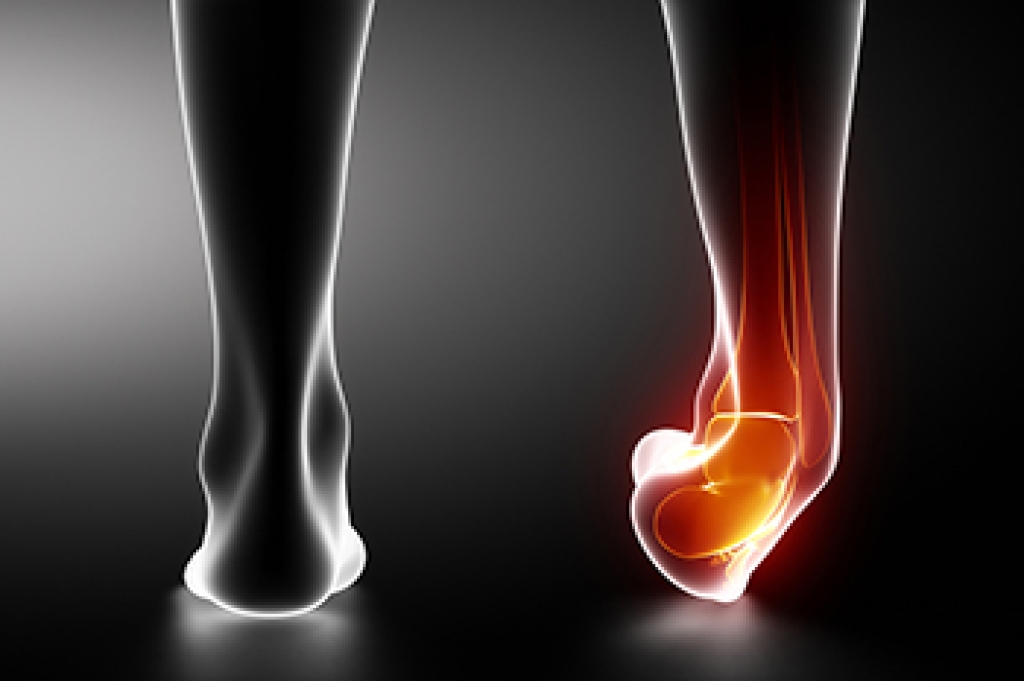
Ankle sprains result when the ligaments, which connect the bones to each other, get overstretched or torn. Common signs of an ankle sprain include a “snap” or “crack” sound at the moment of injury. Sprains can also lead to bruising, swelling, and difficulty bearing weight. Ankle sprains usually result from the ankle getting twisted or rolled, and are one of the most common injuries that athletes deal with. Sports like soccer, football, and basketball that require a variety of quick movements leave players at a higher risk for ankle sprains. Athletes who have previously sprained an ankle are at a greater risk of re-spraining it. Patients who believe that they have sprained their ankle may wish to consult with a podiatrist for a proper diagnosis, because the symptoms of an ankle sprain and a fracture can be similar.

Ankle sprains are common but need immediate attention. If you need your feet checked, contact Dr. Stephen Petrofsky from Florida. Our doctor can provide the care you need to keep you pain-free and on your feet.

How Does an Ankle Sprain Occur?

Ankle sprains take place when the ligaments in your ankle are torn or stretched beyond their limits. There are multiple ways that the ankle can become injured, including twisting or rolling over onto your ankle, putting undue stress on it, or causing trauma to the ankle itself.

What Are the Symptoms?

  • Mild to moderate bruising
  • Limited mobility
  • Swelling
  • Discoloration of the skin (depending on severity)

Preventing a Sprain

  • Wearing appropriate shoes for the occasion
  • Stretching before exercises and sports
  • Knowing your limits

Treatment of a Sprain

Treatment of a sprain depends on the severity.  Many times, people are told to rest and remain off their feet completely, while others are given an air cast. If the sprain is very severe, surgery may be required.

If you have suffered an ankle sprain previously, you may want to consider additional support such as a brace and regular exercises to strengthen the ankle.

If you have any questions please feel free to contact our office located in Port Charlotte, FL . We offer the newest diagnostic tools and technology to treat your foot and ankle needs.

Read more about Ankle Sprains

Reminder: When Was the Last Time...?

Custom orthotics, or shoe inserts, should be periodically replaced. Orthotics must fit properly to give you the best results. Protect your feet and ankles!

Ways the Achilles Tendon Can Be Injured

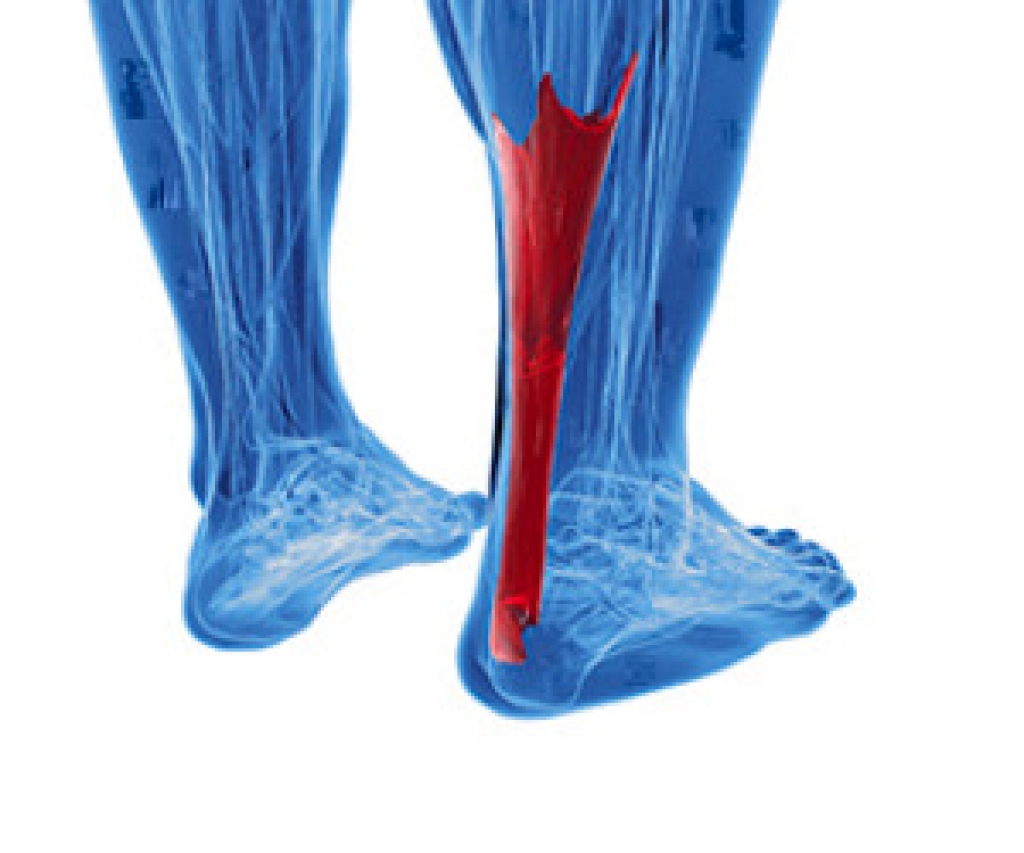
The Achilles tendon connects the calf muscle to the heel bone at the back of the leg. The tendon allows you to push off when walking or running as well as raising up onto your toes. One type of Achilles tendon injury is known as Achilles tendinopathy. This occurs when there are small tears in the tendon as a result of overuse. Another very common injury that may occur is known as an Achilles tendon rupture. This usually happens when there is a sudden movement that puts too much stress on the calf muscle. This type of injury can cause instant pain and loss of movement, and a popping sound may be heard at the time of injury. If you notice pain in your Achilles tendon area, it is a good idea to consult with a podiatrist because of the severity of the potential issues.   

Achilles tendon injuries need immediate attention to avoid future complications. If you have any concerns, contact Dr. Stephen Petrofsky of Florida. Our doctor can provide the care you need to keep you pain-free and on your feet.

What Is the Achilles Tendon?

The Achilles tendon is a tendon that connects the lower leg muscles and calf to the heel of the foot. It is the strongest tendon in the human body and is essential for making movement possible. Because this tendon is such an integral part of the body, any injuries to it can create immense difficulties and should immediately be presented to a doctor.

What Are the Symptoms of an Achilles Tendon Injury?

There are various types of injuries that can affect the Achilles tendon. The two most common injuries are Achilles tendinitis and ruptures of the tendon.

Achilles Tendinitis Symptoms

  • Inflammation
  • Dull to severe pain
  • Increased blood flow to the tendon
  • Thickening of the tendon

Rupture Symptoms

  • Extreme pain and swelling in the foot
  • Total immobility

Treatment and Prevention

Achilles tendon injuries are diagnosed by a thorough physical evaluation, which can include an MRI. Treatment involves rest, physical therapy, and in some cases, surgery. However, various preventative measures can be taken to avoid these injuries, such as:

  • Thorough stretching of the tendon before and after exercise
  • Strengthening exercises like calf raises, squats, leg curls, leg extensions, leg raises, lunges, and leg presses

If you have any questions please feel free to contact our office located in Port Charlotte, FL . We offer the newest diagnostic tools and technology to treat your foot and ankle needs.

Read more about What are Achilles Tendon Injuries

What Causes My Feet to Smell Bad?

Foot odor is typically caused by too much sweat being produced by the glands in the feet. Each foot has about a quarter of a million sweat glands that produce around a cup of sweat a day. When bacteria from the soles of the feet are combined with sweat, an odor may develop. Causes include not washing your feet daily, wearing the same socks day after day, and wearing shoes so tight that they don’t allow the sweat to evaporate. In addition, a fungal infection can cause foot odor, and hyperhidrosis, a condition known as sweaty feet, can exacerbate the problem. To reduce existing foot odor, it’s a good idea to wash your feet daily with antibacterial soap and dry them thoroughly. You can also use an antiperspirant spray or powder on your feet. Change your socks every day, and give your shoes at least a day to air out before wearing them again. If, after taking these precautions, the odor lingers, it is suggested that you see a podiatrist who can examine the area and offer a more in-depth treatment plan.

Everyday foot care is very important to prevent infection and other foot ailments. If you need your feet checked, contact Dr. Stephen Petrofsky from Florida. Our doctor can provide the care you need to keep you pain-free and on your feet.

Everyday Foot Care

Often, people take care of their bodies, face and hair more so than they do for their feet. But the feet are a very important aspect of our bodies, and one that we should pay more attention to. Without our feet, we would not be able to perform most daily tasks.

It is best to check your feet regularly to make sure there are no new bruises or cuts that you may not have noticed before. For dry feet, moisturizer can easily be a remedy and can be applied as often as necessary to the affected areas. Wearing shoes that fit well can also help you maintain good foot health, as well as making it easier to walk and do daily activities without the stress or pain of ill-fitting shoes, high heels, or even flip flops. Wearing clean socks with closed shoes is important to ensure that sweat and bacteria do not accumulate within the shoe. Clean socks help to prevent Athlete’s foot, fungi problems, bad odors, and can absorb sweat.

If you have any questions, please feel free to contact our office located in Port Charlotte, FL . We offer the newest diagnostic and treatment technologies for all your foot care needs.

Read more about Everyday Foot Care

5 Possible Causes of Heel Pain

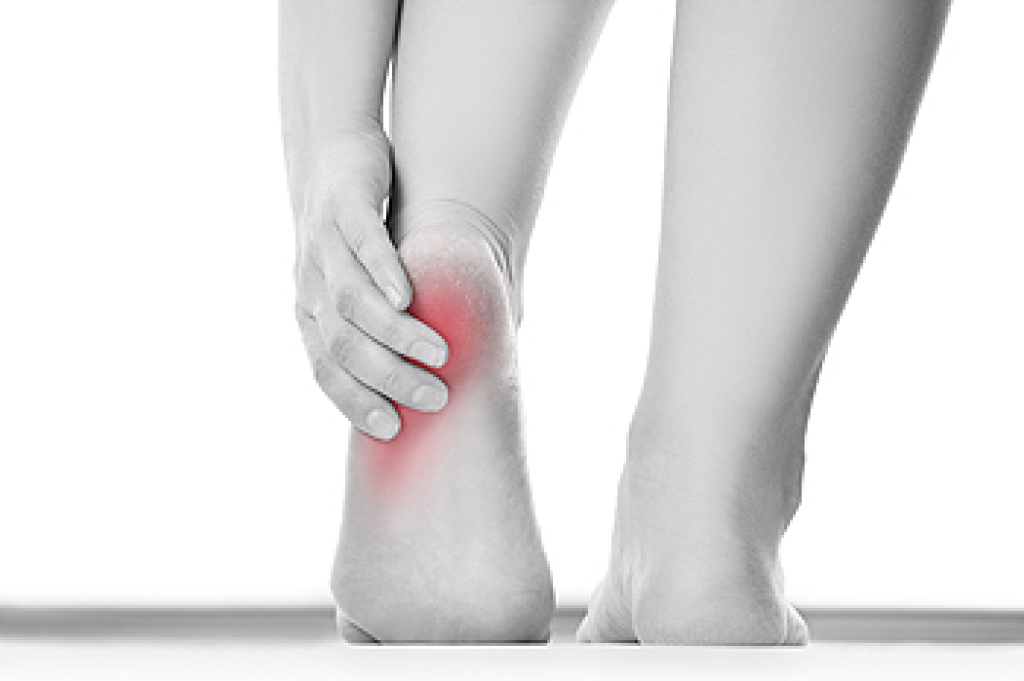
As the foundation of the body, the foot and ankle are complex, amazing structures made up of many ligaments, nerves, tendons, joints, and bones—including the largest bone in the foot, the heel. The heel helps form the arch and manages stress during walking and running. All of this use and stress can lead to painful conditions of the heel and its surrounding tendons and ligaments. Plantar fasciitis, the most common form of heel pain, is an inflammation of the connective tissue that spans the bottom of the foot (plantar fascia). Another common form of heel pain occurs with Achilles tendonitis, which causes inflammation and pain in the (Achilles) tendon that attaches the heel with the calf muscles. A loss of cushioning in the plantar fat pad can cause the heel to become bruised, and the heel bone can also fracture, causing intense pain. Retrocalcaneal Bursitis is an inflammation of the fluid-filled bursa sac that cushions the back of the heel bone. Any type of heel pain should be diagnosed by a podiatrist. who can assess the situation and create an appropriate treatment plan based on their findings.

Many people suffer from bouts of heel pain. For more information, contact Dr. Stephen Petrofsky of Florida. Our doctor can provide the care you need to keep you pain-free and on your feet.

Causes of Heel Pain

Heel pain is often associated with plantar fasciitis. The plantar fascia is a band of tissues that extends along the bottom of the foot. A rip or tear in this ligament can cause inflammation of the tissue.

Achilles tendonitis is another cause of heel pain. Inflammation of the Achilles tendon will cause pain from fractures and muscle tearing. Lack of flexibility is also another symptom.

Heel spurs are another cause of pain. When the tissues of the plantar fascia undergo a great deal of stress, it can lead to ligament separation from the heel bone, causing heel spurs.

Why Might Heel Pain Occur?

  • Wearing ill-fitting shoes                
  • Wearing non-supportive shoes
  • Weight change           
  • Excessive running

Treatments

Heel pain should be treated as soon as possible for immediate results. Keeping your feet in a stress-free environment will help. If you suffer from Achilles tendonitis or plantar fasciitis, applying ice will reduce the swelling. Stretching before an exercise like running will help the muscles. Using all these tips will help make heel pain a condition of the past.

If you have any questions, please feel free to contact our office located in Port Charlotte, FL . We offer the newest diagnostic and treatment technologies for all your foot care needs.

Read more about Heel Pain
Connect with us