Blog

Why Pain Develops in the 2nd Toe

Pain in the second toe is a frequent complaint podiatrists hear and can develop for several reasons. This toe often absorbs extra pressure during walking, especially when the big toe does not move well or when foot structure puts more weight on the front of the foot. Over time, the joint at the base of the toe may become irritated, stiff, or swollen. Hammertoe changes can also affect the second toe, causing rubbing in shoes and joint discomfort. In some cases, inflammation surrounding the joint or strain of nearby ligaments can lead to aching or sharp pain. Wearing footwear with a narrow toe box or high heels may worsen symptoms by crowding the toes. Early signs may include soreness, redness, or a feeling of fullness under the ball of the foot. If you have second-toe pain that persists or affects walking, it is suggested that you see a podiatrist for a proper diagnosis and appropriate treatment.

Toe pain can disrupt your daily activities. If you have any concerns, contact Dr. Stephen Petrofsky of Florida. Our doctor can provide the care you need to keep you pain-free and on your feet.

What Causes Toe Pain?

Most severe toe pain is caused due to a sports injury, trauma from dropping something heavy on the toe, or bumping into something rigid. Other problems can develop over time for various reasons.

Toe pain can be caused by one or more ailments. The most common include:

  • Trauma
  • Sports injury
  • Wearing shoes that are too tight
  • Arthritis
  • Gout
  • Corns and calluses
  • Hammertoe
  • Bunions
  • Blisters
  • Ingrown toenails
  • Sprains
  • Fractures (broken bones)
  • Dislocations

When to See a Podiatrist

  • Severe pain
  • Persistent pain that lasts more than a week
  • Signs of infection
  • Continued swelling
  • Pain that prevents walking

Diagnosis

In many cases the cause of toe pain is obvious, but in others, a podiatrist may want to use more advanced methods to determine the problem. These can range from simple visual inspections and sensation tests to X-rays and MRI scans. Prior medical history, family medical history, and any recent physical traumatic events will all be taken into consideration for a proper diagnosis.

Treatment

Treatments for toe pain and injuries vary and may include shoe inserts, padding, taping, medicines, injections, and in some cases, surgery. If you believe that you have broken a toe, please see a podiatrist as soon as possible.

If you have any questions please contact our office located in Port Charlotte, FL . We offer the newest diagnostic and treatment technologies for all your foot and ankle needs.

Read more about Toe Pain

Understanding Diabetes-Related Foot Ulcers

Diabetes-related foot ulcers are open sores that develop due to poor circulation, nerve damage, and prolonged pressure on the feet. They often appear on the bottom of the foot or near bony areas and may look like a shallow or deep wound with redness, drainage, or darkened surrounding skin. Because of nerve damage, it may not feel very painful at first, but some people notice pressure, aching, or signs of infection, such as swelling or odor. Causes include uncontrolled blood sugar, loss of sensation, and delayed wound healing. A podiatrist can help from the start by diagnosing the ulcer, assessing circulation and nerve function, and identifying risk factors. Early treatment may include wound care, debridement, and pressure relief. Care can then progress into advanced wound therapies, custom footwear, and long-term prevention strategies. Early intervention helps protect foot health and mobility. If you have foot complications from diabetes, it is suggested that you regularly see a podiatrist.

Diabetic foot care is important in preventing foot ailments such as ulcers. If you are suffering from diabetes or have any other concerns about your feet, contact Dr. Stephen Petrofsky from Florida. Our doctor can provide the care you need to keep you pain-free and on your feet.

Diabetic Foot Care

Diabetes affects millions of people every year. The condition can damage blood vessels in many parts of the body, especially the feet. Because of this, taking care of your feet is essential if you have diabetes, and having a podiatrist help monitor your foot health is highly recommended.

The Importance of Caring for Your Feet

  • Routinely inspect your feet for bruises or sores.
  • Wear socks that fit your feet comfortably.
  • Wear comfortable shoes that provide adequate support.

Patients with diabetes should have their doctor monitor their blood levels, as blood sugar levels play such a huge role in diabetic care. Monitoring these levels on a regular basis is highly advised.

It is always best to inform your healthcare professional of any concerns you may have regarding your feet, especially for diabetic patients. Early treatment and routine foot examinations are keys to maintaining proper health, especially because severe complications can arise if proper treatment is not applied.

If you have any questions, please feel free to contact our office located in Port Charlotte, FL . We offer the newest diagnostic and treatment technologies for all your foot care needs.

Read more about Diabetic Foot Care

Running Shoes for Comfort and Support

Choosing the right running shoes can make a big difference in comfort, performance, and injury prevention. Different types of running shoes are designed for different activities. Road running shoes are best for pavement and treadmills and offer lightweight support and smooth cushioning. Trail running shoes provide extra grip and protection for uneven and rocky surfaces. Cross training shoes are more versatile and work well for gym workouts and mixed activities, including running. Shoe cushioning is also important, as it helps absorb impact and reduce stress on the feet and joints. The right amount of cushioning depends on your foot structure, running style, and comfort needs. A podiatrist can evaluate your gait, foot shape, and activity level to recommend the best shoe type or custom orthotics, if needed. If your running shoes leave you sore or uncomfortable, it is suggested that you consult a podiatrist who can treat various foot conditions, and guide you on how to select shoes for your running style.

You should always make sure your running shoes fit properly in order to avoid injury. For more information, contact Dr. Stephen Petrofsky from Florida. Our doctor can provide the care you need to keep you pain-free and on your feet.

Choosing the Right Running Shoe for Your Foot Type

Improper shoe sizing can cause a myriad of problems for your feet. Shoes that don’t fit you properly can lead to muscular imbalances in your body, which can result in foot, knee, and hip injuries.

Tips for Finding the Right Running Shoe

  • Make sure you have a thumb’s width of wiggle room between the end of your longest toe and the front of the shoe.
  • There should be little to no slipping at the heel
  • Don’t assume your size in one shoe brand will be your size in another
  • Do not lace up your shoes too tightly
  • Walk around in the store with your new shoes before you buy them

If you have any questions, please feel free to contact our office located in Port Charlotte, FL . We offer the newest diagnostic and treatment technologies for all your foot care needs.

Read more about Choosing the Right Running Shoe for Your Foot Type

What Is a Bunion?

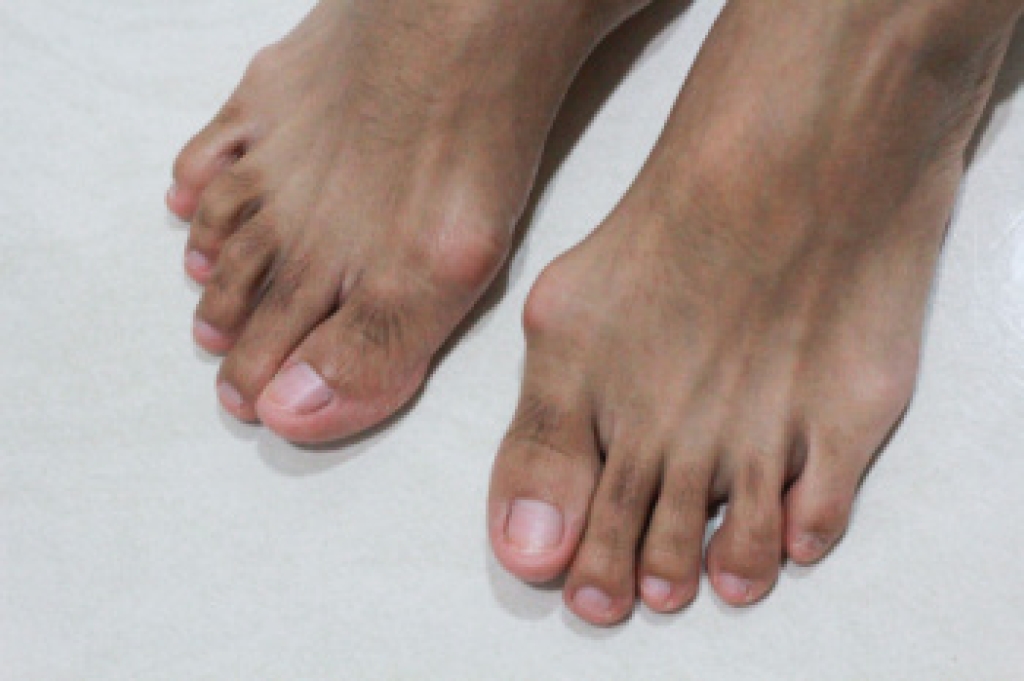
Bunions are a progressive foot condition that creates a bony bump at the base of the big toe joint. They are often caused by inherited foot structure, improper footwear, or repeated stress on the foot. A bunion may look swollen, red, or enlarged and can feel achy, stiff, or painful, especially during walking or while wearing tight shoes. Some people notice burning sensations, throbbing, or limited range of motion in the toe. A podiatrist can help from the start by evaluating foot alignment, gait, and joint function, and may use imaging to confirm severity. Treatment options range from footwear guidance and padding to custom orthotics designed to reduce pressure and discomfort. Early care may slow progression and improve daily mobility and overall foot health. If you have a painful bunion, it is suggested that you schedule an appointment with a podiatrist for effective relief and treatment solutions.

If you are suffering from bunions, contact Dr. Stephen Petrofsky of Florida. Our doctor can provide the care you need to keep you pain-free and on your feet.

What Is a Bunion?

A bunion is formed of swollen tissue or an enlargement of boney growth, usually located at the base joint of the toe that connects to the foot. The swelling occurs due to the bones in the big toe shifting inward, which impacts the other toes of the foot. This causes the area around the base of the big toe to become inflamed and painful.

Why Do Bunions Form?

Genetics – Susceptibility to bunions are often hereditary

Stress on the feet – Poorly fitted and uncomfortable footwear that places stress on feet, such as heels, can worsen existing bunions

How Are Bunions Diagnosed?

Podiatrists often perform two tests – blood tests and x-rays – when trying to diagnose bunions, especially in the early stages of development. Blood tests help determine if the foot pain is being caused by something else, such as arthritis, while x-rays provide a clear picture of your bone structure to your provider.

How Are Bunions Treated?

  • Refrain from wearing heels or similar shoes that cause discomfort
  • Select wider shoes that can provide more comfort and reduce pain
  • Anti-inflammatory and pain management drugs
  • Orthotics or foot inserts
  • Surgery

If you have any questions, please feel free to contact our office located in Port Charlotte, FL . We offer the newest diagnostic and treatment technologies for all your foot care needs.

Read more about Bunions
Connect with us