Blog

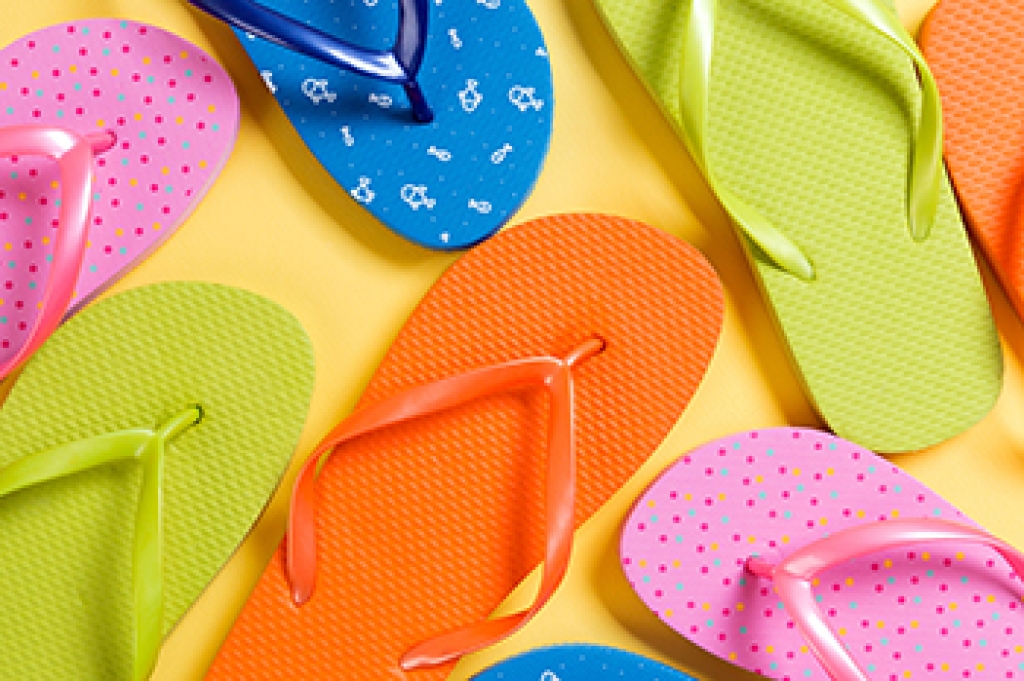
The Pros and Cons of Wearing Flip Flops

The simplicity of wearing flip flops during the summer months is appealing for many people. They are designed in different colors and styles, and have become a popular shoe. Despite their ease, they lack structural support, and this can affect the ankles, calves, heels, and feet. They are beneficial to wear in public areas where there are swimming pools and locker rooms. They are considered to be an appropriate shoe that may help to prevent athlete’s foot and toenail fungus while worn in these types of areas. Flip flops can be purchased with cushioned soles, and leather material. Additionally, it is beneficial to choose these types of shoes that have a strap in the back, which can be helpful in keeping the shoe on the foot. When the wrong type of flips flops are worn, the gait may gradually be affected, and pain may be felt in the feet. If you would like more information about the pros and cons of wearing flip flops, please schedule an appointment with a podiatrist.

Flip-flops are not always the best choice of footwear. If you have any concerns about your feet or ankles, contact Dr. Stephen Petrofsky from Florida. Our doctor will assist you with all of your foot and ankle needs.

Flip-Flops and Feet

When the weather starts warming up, people enjoy wearing flip-flops.  Flip-flops are comfortable, stylish, and easy to slip on and off; they're perfect for any summer beach goer.  However, these shoes can cause harm to the feet.

How Can Flip-Flops Affect Me Long-Term?

  • Ankle problems
  • Hip problems
  • Lower back problems
  • Pain in the balls of the feet
  • Problems with foot arches
  • Changes in the way you walk

Are There Injuries Associated with Flip-Flops?

Yes.  Since flip-flops are relatively weak and do not provide the same amount of support as sneakers, people who wear flip-flops regularly are more susceptible to injuries. On top of that, the open nature of the shoe makes your feet more prone to other problems, such as cuts and even infections.  Common injuries and ailments include:

  • Sprained ankles
  • Blisters
  • Infections
  • Cuts and Scrapes

I like Wearing Flip-Flops. Are There Safe Alternatives?

When buying flip-flops, try to find ones that have sturdy soles and that are made of high-quality materials that will support for your feet.  These flip-flops will cost more but will also last longer as a result.

If you have any questions, please feel free to contact our office located in Port Charlotte, FL . We offer the newest diagnostic and treatment technologies for all your foot care needs.

Read more about Flip Flops and Your Feet

Simple Methods That May Help to Prevent Falling

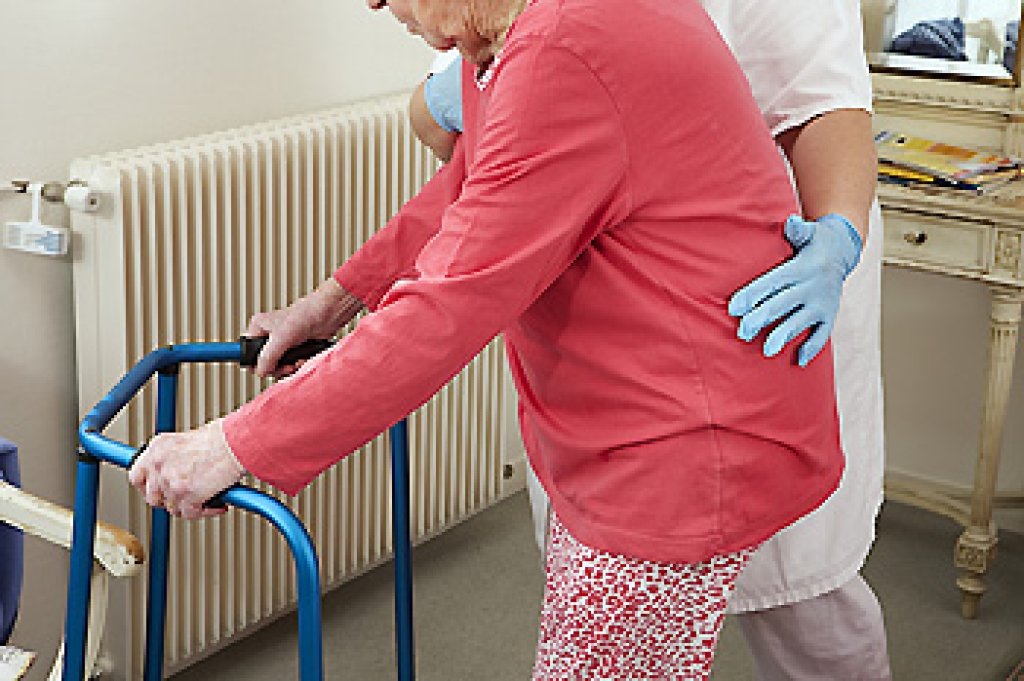
Seniors may be able to remain independent longer when fall prevention techniques are incorporated into their daily routine. These can include performing exercise programs that can help to strengthen the body as well as balancing stretches at home. Additionally, many elderly people make changes to their living environment, including removing frayed rugs and improving lighting in the household. Other effective methods to prevent falling consist of having a grab bar installed in the toilet and shower areas, and it can help to use a non-slip bath mat. It is suggested that physical and eye examinations be performed regularly, and this can help to update existing medication and eyeglass prescriptions. Falling episodes may be lessened when the correct shoes are worn and clutter in the home is cleared. Falling can impact the feet negatively so it is important to learn how to prevent a fall from occurring. If you would like more information about how to prevent falls, please consider speaking with a podiatrist.

Preventing falls among the elderly is very important. If you are older and have fallen or fear that you are prone to falling, consult with Dr. Stephen Petrofsky from Florida. Our doctor will assess your condition and provide you with quality advice and care.

Every 11 seconds, an elderly American is being treated in an emergency room for a fall related injury. Falls are the leading cause of head and hip injuries for those 65 and older. Due to decreases in strength, balance, senses, and lack of awareness, elderly persons are very susceptible to falling. Thankfully, there are a number of things older persons can do to prevent falls.

How to Prevent Falls

Some effective methods that older persons can do to prevent falls include:

  • Enrolling in strength and balance exercise program to increase balance and strength
  • Periodically having your sight and hearing checked
  • Discuss any medications you have with a doctor to see if it increases the risk of falling
  • Clearing the house of falling hazards and installing devices like grab bars and railings
  • Utilizing a walker or cane
  • Wearing shoes that provide good support and cushioning
  • Talking to family members about falling and increasing awareness

Falling can be a traumatic and embarrassing experience for elderly persons; this can make them less willing to leave the house, and less willing to talk to someone about their fears of falling. Doing such things, however, will increase the likelihood of tripping or losing one’s balance. Knowing the causes of falling and how to prevent them is the best way to mitigate the risk of serious injury.  

If you have any questions, please feel free to contact our office located in Port Charlotte, FL . We offer the newest diagnostic and treatment technologies for all your foot care needs.
Read more about Falls Prevention

Plantar Warts Can Be Treated!

Plantar warts are small growths that develop on parts of the feet that bear weight. They're typically found on the bottom of the foot. Don't live with plantar warts, and call us today!

What May Be Causing Your Heel Pain

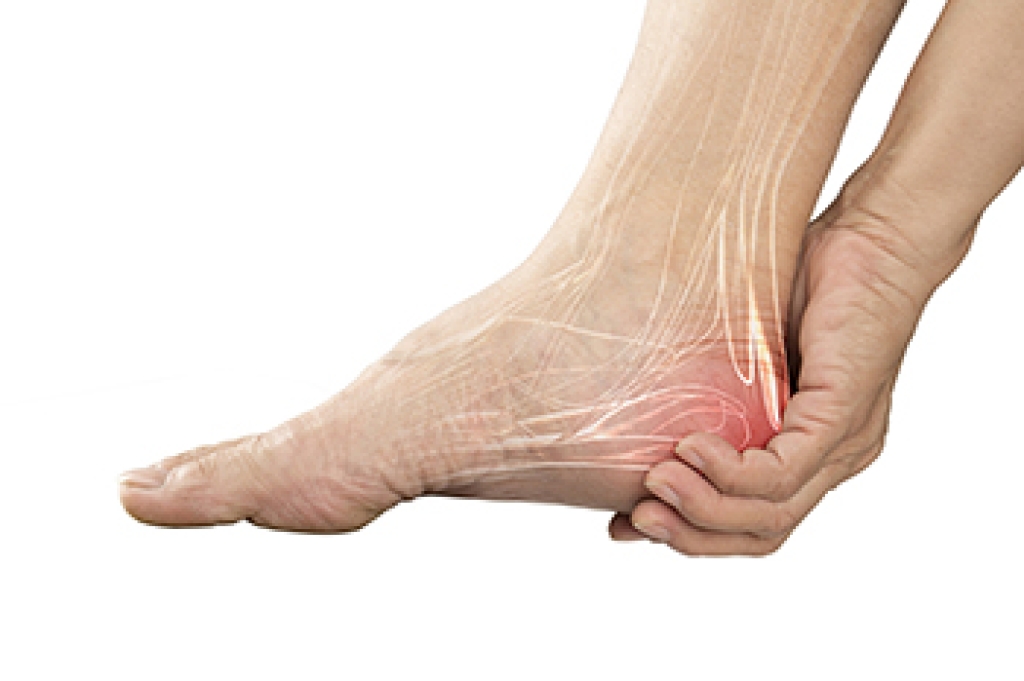
If you are experiencing heel pain, chances are you may have plantar fasciitis, which is the most common cause. Plantar fasciitis occurs when there is an inflammation of the plantar fascia tissue on the bottom of the foot. This connective tissue attaches at the heel bone, then extends towards the forefoot, fanning out into five bands that attach to each toe’s phalanx bone. The plantar fascia supports the arch and helps to act as a shock absorber when walking, running, and jumping. Since the plantar fascia is used continuously in everyday activities it can become stressed, overused, and even torn. The heel pain of plantar fasciitis is usually at its most severe when you take your first steps after waking up or resting. It is suggested that you make an appointment with a podiatrist if you are experiencing any kind of heel pain. Podiatrists treat plantar fasciitis and other forms of heel pain every day and have many therapies and methods of treatment that will offer you the relief you seek.

Plantar fasciitis is a common foot condition that is often caused by a strain injury. If you are experiencing heel pain or symptoms of plantar fasciitis, contact Dr. Stephen Petrofsky from Florida. Our doctor can provide the care you need to keep you pain-free and on your feet.

What Is Plantar Fasciitis?

Plantar fasciitis is one of the most common causes of heel pain. The plantar fascia is a ligament that connects your heel to the front of your foot. When this ligament becomes inflamed, plantar fasciitis is the result. If you have plantar fasciitis you will have a stabbing pain that usually occurs with your first steps in the morning. As the day progresses and you walk around more, this pain will start to disappear, but it will return after long periods of standing or sitting.

What Causes Plantar Fasciitis?

  • Excessive running
  • Having high arches in your feet
  • Other foot issues such as flat feet
  • Pregnancy (due to the sudden weight gain)
  • Being on your feet very often

There are some risk factors that may make you more likely to develop plantar fasciitis compared to others. The condition most commonly affects adults between the ages of 40 and 60. It also tends to affect people who are obese because the extra pounds result in extra stress being placed on the plantar fascia.

Prevention

  • Take good care of your feet – Wear shoes that have good arch support and heel cushioning.
  • Maintain a healthy weight
  • If you are a runner, alternate running with other sports that won’t cause heel pain

There are a variety of treatment options available for plantar fasciitis along with the pain that accompanies it. Additionally, physical therapy is a very important component in the treatment process. It is important that you meet with your podiatrist to determine which treatment option is best for you.

If you have any questions, please feel free to contact our office located in Port Charlotte, FL . We offer the newest diagnostic and treatment technologies for all your foot care needs.
 

Read more about Plantar Fasciitis

Why High Heels Can Cause Foot Pain

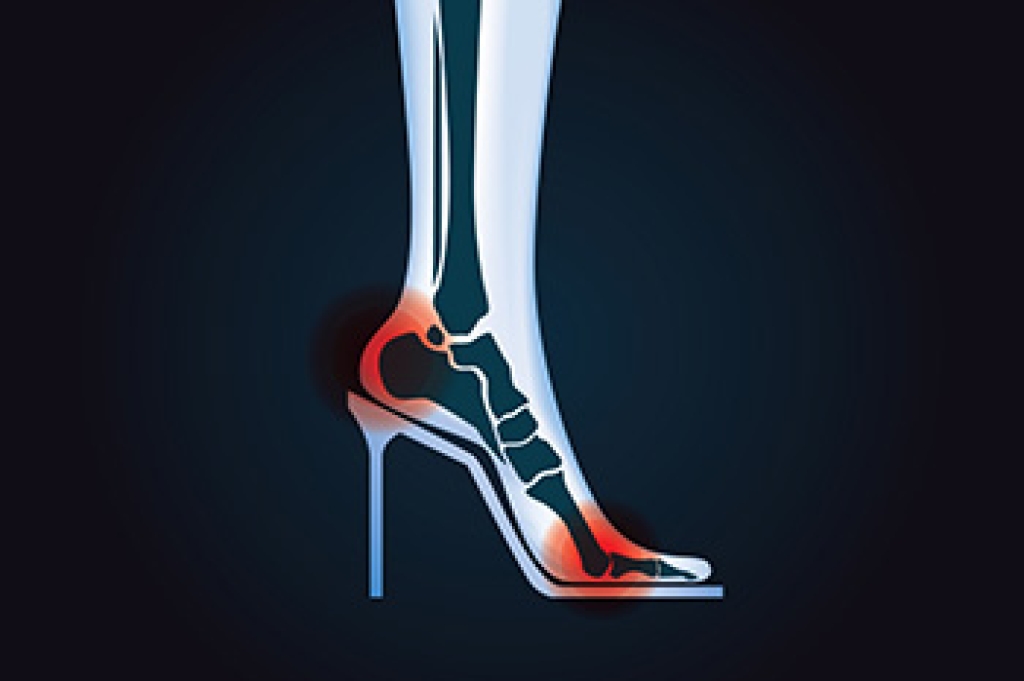
High heels came into being for some practical and vanity reasons. Men wore them so their feet fit better in stirrups when horseback riding and women wore them because they made their feet look smaller, their bodies look taller, and their legs more elongated and toned in appearance. When high heels are worn, the foot is put at a forward angle causing one to walk on their toes and changing body biomechanics, posture, and gait. This leads to a greater risk of injury and the development of painful chronic foot conditions. The higher the heel and the longer the wear, the greater the risks. When wearing high heels, one’s body struggles to stay balanced and various painful foot conditions can develop as a result, such as plantar fasciitis. If you want to continue wearing high heels, try to alternate them with other footwear, vary heel heights of shoes, and stretch calf muscles so they will not be shortened and tight. If your foot pain does not resolve, consult with a podiatrist for proper diagnosis and treatment.

High heels have a history of causing foot and ankle problems. If you have any concerns about your feet or ankles, contact Dr. Stephen Petrofsky from Florida. Our doctor can provide the care you need to keep you pain-free and on your feet.

Effects of High Heels on the Feet

High heels are popular shoes among women because of their many styles and societal appeal.  Despite this, high heels can still cause many health problems if worn too frequently.

Which Parts of My Body Will Be Affected by High Heels?

  • Ankle Joints
  • Achilles Tendon – May shorten and stiffen with prolonged wear
  • Balls of the Feet
  • Knees – Heels cause the knees to bend constantly, creating stress on them
  • Back – They decrease the spine’s ability to absorb shock, which may lead to back pain.  The vertebrae of the lower back may compress.

What Kinds of Foot Problems Can Develop from Wearing High Heels?

  • Corns
  • Calluses
  • Hammertoe
  • Bunions
  • Morton’s Neuroma
  • Plantar Fasciitis

How Can I Still Wear High Heels and Maintain Foot Health?

If you want to wear high heeled shoes, make sure that you are not wearing them every day, as this will help prevent long term physical problems.  Try wearing thicker heels as opposed to stilettos to distribute weight more evenly across the feet.  Always make sure you are wearing the proper shoes for the right occasion, such as sneakers for exercising.  If you walk to work, try carrying your heels with you and changing into them once you arrive at work.  Adding inserts to your heels can help cushion your feet and absorb shock. Full foot inserts or metatarsal pads are available. 

If you have any questions, please feel free to contact our office located in Port Charlotte, FL . We offer the newest diagnostic and treatment technologies for all your foot care needs.

Read more about Effect of High Heels on the Feet
Connect with us