Blog

Clubfoot May Affect One or Both Feet

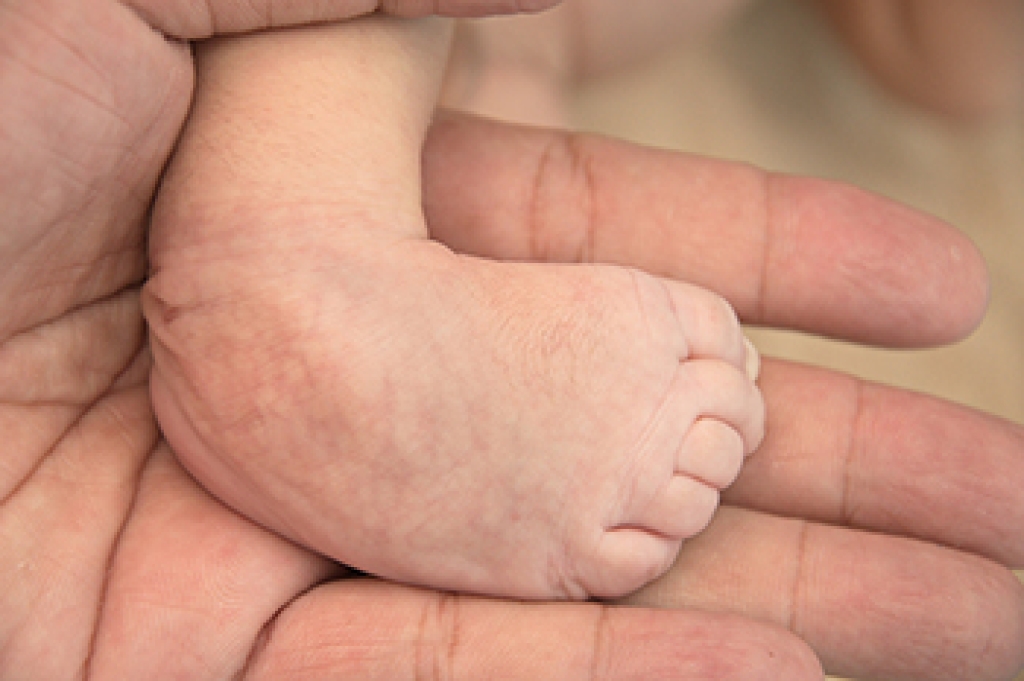
A rare foot condition that is generally identified after birth is known as clubfoot. Typically, one foot is affected in babies that are born with this condition, and in some cases, both feet have been afflicted. It is defined as an ailment that turns the foot sharply inward while the toes point towards the other foot. Children who have clubfoot try to maintain balance and can wobble as they walk. This condition often develops from genetic reasons, and it may be more prevalent among children whose mothers smoke or drink during their pregnancy. Many patients choose to manipulate the foot by performing specific stretches, as this may help to guide the foot into alignment. An effective treatment method is known as the Ponseti technique, and this involves putting the affected foot in a cast after it has been stretched into a normal position. This can be helpful in keeping the foot in the correct position until it is fully healed. If the clubfoot is severe or corrective treatment does not yield the desired results, surgery may be necessary. This can be beneficial in putting the bones, tendons, joints, and ligaments into their normal positions. If you would like additional information about clubfoot, it is strongly suggested that you consult with a podiatrist who can answer any questions you may have.

Congenital foot problems require immediate attention to avoid future complications. If you have any concerns, contact Dr. Stephen Petrofsky of Florida. Our doctor can provide the care you need to keep you pain-free and on your feet.

Congenital foot problems are deformities affecting the feet, toes, and/or ankles that children are born with. Some of these conditions have a genetic cause while others just happen. Some specific foot ailments that children may be born with include clubfeet, polydactyly/macrodactyly, and cleft foot. There are several other foot anomalies that can occur congenitally. What all of these conditions have in common is that a child may experience difficulty walking or performing everyday activities, as well as trouble finding footwear that fits their foot deformity. Some of these conditions are more serious than others. Consulting with a podiatrist as early as possible will help in properly diagnosing a child’s foot condition while getting the necessary treatment underway.

What are Causes of Congenital Foot Problem?

A congenital foot problem is one that happens to a child at birth. These conditions can be caused by a genetic predisposition, developmental or positional abnormalities during gestation, or with no known cause.

What are Symptoms of Congenital Foot Problems?

Symptoms vary by the congenital condition. Symptoms may consist of the following:

  • Clubfoot, where tendons are shortened, bones are shaped differently, and the Achilles tendon is tight, causing the foot to point in and down. It is also possible for the soles of the feet to face each other.
  • Polydactyly, which usually consists of a nubbin or small lump of tissue without a bone, a toe that is partially formed but has no joints, or an extra toe.
  • Vertical talus, where the talus bone forms in the wrong position causing other bones in the foot to line up improperly, the front of the foot to point up, and the bottom of the foot to stiffen, with no arch, and to curve out.
  • Tarsal coalition, when there is an abnormal connection of two or more bones in the foot leading to severe, rigid flatfoot.
  • Cleft foot, where there are missing toes, a V-shaped cleft, and other anatomical differences.
  • Macrodactyly, when the toes are abnormally large due to overgrowth of the underlying bone or soft tissue.

Treatment and Prevention

While there is nothing one can do to prevent congenital foot problems, raising awareness and receiving neonatal screenings are important. Early detection by taking your child to a podiatrist leads to the best outcome possible.

If you have any questions, please feel free to contact our office located in Port Charlotte, FL . We offer the newest diagnostic and treatment technologies for all your foot care needs.

Read more about Congenital Foot Problems

Lumps on the Side of the Foot

Finding a lump on the side of your foot can be disturbing. Common causes of lumps include injuries, ganglion cysts, bursitis, and plantar fibromas. An injury to the foot may result in the formation of a lump, along with swelling and bruising. These symptoms will normally subside once the injury heals. Ganglion cysts are benign growths with a jelly-like consistency. They normally do not cause pain unless they rub against a shoe or hit a nerve. They can be drained by a podiatrist. Bursitis is the inflammation of a fluid sac, called a bursa. It may be the result of overuse or repetitive stress. Bursitis can be quite painful. Plantar fibromas usually form on the arch of the foot, but sometimes are found on the side. Also benign, these growths have a more solid texture than ganglion cysts. The cause is not known, but they can be removed. While any of these lumps are generally non threatening, it is suggested that any growth that develops on the side of the foot be checked out by a podiatrist who can examine it and offer treatment options.

Everyday foot care is very important to prevent infection and other foot ailments. If you need your feet checked, contact Dr. Stephen Petrofsky from Florida. Our doctor can provide the care you need to keep you pain-free and on your feet.

Everyday Foot Care

Often, people take care of their bodies, face and hair more so than they do for their feet. But the feet are a very important aspect of our bodies, and one that we should pay more attention to. Without our feet, we would not be able to perform most daily tasks.

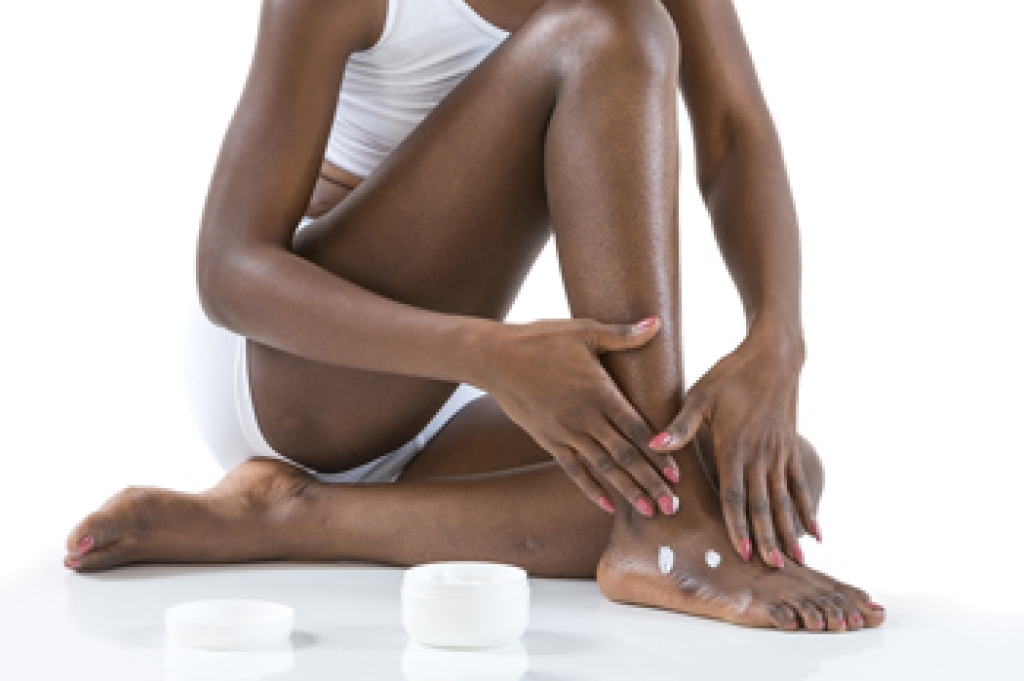
It is best to check your feet regularly to make sure there are no new bruises or cuts that you may not have noticed before. For dry feet, moisturizer can easily be a remedy and can be applied as often as necessary to the affected areas. Wearing shoes that fit well can also help you maintain good foot health, as well as making it easier to walk and do daily activities without the stress or pain of ill-fitting shoes, high heels, or even flip flops. Wearing clean socks with closed shoes is important to ensure that sweat and bacteria do not accumulate within the shoe. Clean socks help to prevent Athlete’s foot, fungi problems, bad odors, and can absorb sweat.

If you have any questions, please feel free to contact our office located in Port Charlotte, FL . We offer the newest diagnostic and treatment technologies for all your foot care needs.

Read more about Everyday Foot Care

It's Time for Beautiful Feet

You don't need an excuse to have beautiful nails. Step outside without worrying about the appearance of your feet.

Changes to the Work Area May Help the Feet

Many people have professions that require standing for the majority of the day. This can produce a variety of foot conditions, including swollen feet and varicose veins, in addition to overall body aches. The feet carry the weight of the body, and it is beneficial to elevate them as often as possible during the work day. When people work on their feet, there are less body positions to choose from. These restrictions limit the freedom to move around. Stretching frequently is suggested, which may be beneficial in improving flexibility. Limited range of motion in the body can reduce the blood supply to the muscles, often resulting in fatigue and muscle pain. There may be positive changes that can be made in the work space. These can consist of adjusting the height of the work table and benches, which may help to improve posture. Relief may be found when there is ample room to move freely, and the position of the body is changed, thus improving blood supply to the muscles. If you have questions about how the feet are affected by standing all day, please confer with a podiatrist who can help you to manage your work area. 

While working on the feet, it is important to take the proper care of them. For more information about working on your feet, contact Dr. Stephen Petrofsky from Florida. Our doctor will treat your foot and ankle needs.

Working on Your Feet

Standing on your feet for long periods of time can cause stress and pain in your feet. Your whole body may experience change in terms of posture, back pain, bunions, callouses and or plantar warts. There are ways to avoid these conditions with proper foot care, smart choices and correct posture.

Positive Changes

Negative heeled shoe – Choosing this shoe type places the heel slightly lower than the ball of the foot. These are great for overall foot health. Find shoes that fit you correctly.

Go barefoot – Our feet were not designed to be enclosed for all hours of the day. Try to periodically expose your feet to air.

Eliminate Pain

Foot Exercises – Performing simple exercises, incorporating yoga and doing stretches are beneficial. This will allow increased blood flow to the area and muscles of the foot.

Achilles tendon – Stretching the foot out flat on the floor will relax the calf muscles and tendon. These exercises can be performed almost anywhere. Make sure you add these exercises to your daily regimen. 

With a little bit of this information and knowing more about foot health, you will notice changes. Foot stretches and proper footwear will help with pain and prevent further issues.

If you have any questions please contact our office located in Port Charlotte, FL . We offer the newest diagnostic and treatment technologies for all your foot and ankle needs.

Read more about Working on Your Feet

Is Morton’s Neuroma a Type of Cancer?

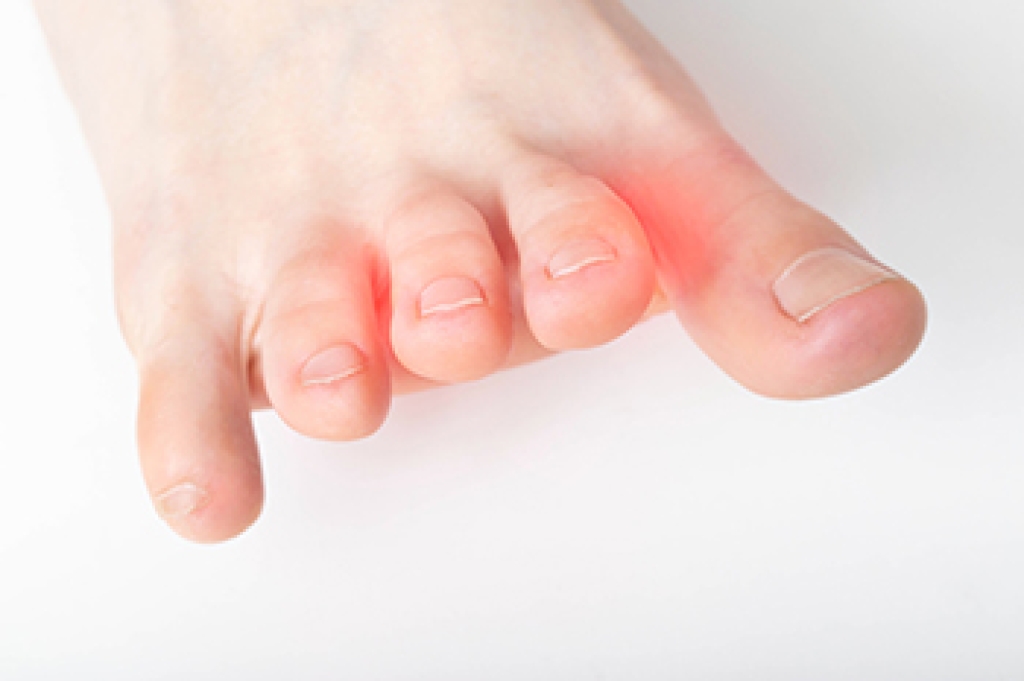
Morton’s neuroma is a noncancerous swelling along a nerve in the foot that carries sensations to the toes. Once the swelling begins the bones and ligaments nearby put pressure on the nerve causing more irritation and inflammation which in turn causes pain, numbness, tingling, and other abnormal sensations in the toes. Some people feel the sensation of a lump, like a fold in a sock or a pebble between the toes. It usually develops between the 3rd and 4th toes and less often between the 2nd and 3rd toes. It is also rare for Morton’s neuroma to happen in both feet at the same time. While reasons for this condition are unknown, it is more apt to develop in women than men, likely a result of wearing high-heeled, narrow-toed shoes. These shoes shift the bones into an abnormal position. It is also more likely to impact obese people due to the pressure of excess weight put on the foot. Usually, pain can be temporarily relieved by removing shoes, flexing the toes, and rubbing the feet. You may need medical intervention to ease the pain of Morton’s neuroma or it may masquerade as a different condition altogether, such as arthritis, nerve or muscle problems, or previous injury to your foot or leg. It is important to consult with a podiatrist who can properly diagnose the condition and provide treatment options.

Morton’s neuroma is a very uncomfortable condition to live with. If you think you have Morton’s neuroma, contact Dr. Stephen Petrofsky of Florida. Our doctor will attend to all of your foot care needs and answer any of your related questions.  

Morton’s Neuroma

Morton's neuroma is a painful foot condition that commonly affects the areas between the second and third or third and fourth toe, although other areas of the foot are also susceptible. Morton’s neuroma is caused by an inflamed nerve in the foot that is being squeezed and aggravated by surrounding bones.

What Increases the Chances of Having Morton’s Neuroma?

  • Ill-fitting high heels or shoes that add pressure to the toe or foot
  • Jogging, running or any sport that involves constant impact to the foot
  • Flat feet, bunions, and any other foot deformities

Morton’s neuroma is a very treatable condition. Orthotics and shoe inserts can often be used to alleviate the pain on the forefront of the feet. In more severe cases, corticosteroids can also be prescribed. In order to figure out the best treatment for your neuroma, it’s recommended to seek the care of a podiatrist who can diagnose your condition and provide different treatment options.

If you have any questions, please feel free to contact our office located in Port Charlotte, FL . We offer the newest diagnostic and treatment technologies for all your foot care needs.
Read more about What is Morton's Neuroma?
Connect with us