
Gout is a painful, inflammatory form of arthritis. Those affected will typically feel an intense stiffness in the joints of their feet, particularly in the big toe. Schedule a visit to learn about how gout can be managed and treated.
Gout is a painful, inflammatory form of arthritis. Those affected will typically feel an intense stiffness in the joints of their feet, particularly in the big toe. Schedule a visit to learn about how gout can be managed and treated.
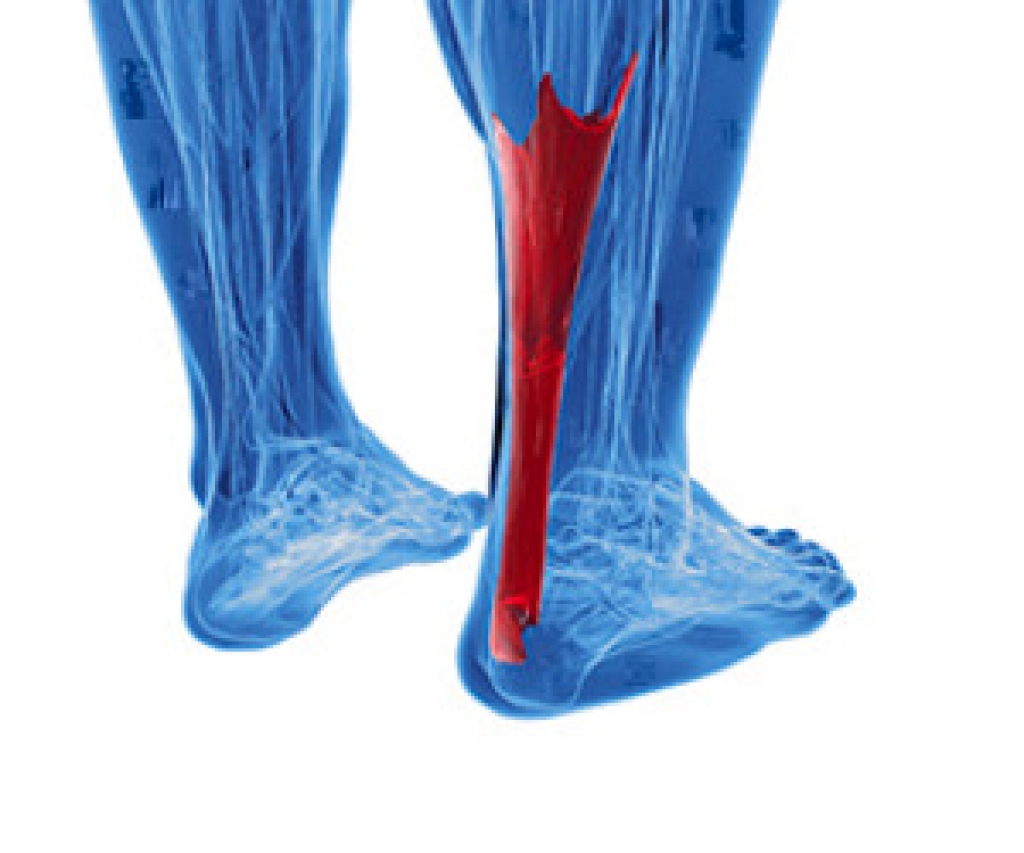 The Achilles tendon, located at the back of the ankle, connects the calf muscle to the heel bone. When the tendon gets overstretched because of forceful jumping, pivoting, or sudden acceleration, the tendon can tear or rupture. Some signs of an Achilles tendon tear includes sudden pain in the calf or ankle, swelling in the back of the leg, a popping sensation, and difficulty walking. An Achilles tendon rupture is a very serious injury that will require the care of a podiatrist to prevent further damage. Treatments that a podiatrist may recommend can include a walking boot, or in severe cases, surgery. Physical therapy will likely be necessary to aid in the recovery process as well. If you are afflicted with an Achilles tendon injury, please consult with a podiatrist for the best treatment techniques that are correct for you.
Achilles tendon injuries need immediate attention to avoid future complications. If you have any concerns, contact Dr. Stephen Petrofsky of Florida. Our doctor can provide the care you need to keep you pain-free and on your feet.
What Is the Achilles Tendon?
The Achilles tendon is a tendon that connects the lower leg muscles and calf to the heel of the foot. It is the strongest tendon in the human body and is essential for making movement possible. Because this tendon is such an integral part of the body, any injuries to it can create immense difficulties and should immediately be presented to a doctor.
What Are the Symptoms of an Achilles Tendon Injury?
There are various types of injuries that can affect the Achilles tendon. The two most common injuries are Achilles tendinitis and ruptures of the tendon.
Achilles Tendinitis Symptoms
Rupture Symptoms
Treatment and Prevention
Achilles tendon injuries are diagnosed by a thorough physical evaluation, which can include an MRI. Treatment involves rest, physical therapy, and in some cases, surgery. However, various preventative measures can be taken to avoid these injuries, such as:
If you have any questions please feel free to contact our office located in Port Charlotte, FL . We offer the newest diagnostic tools and technology to treat your foot and ankle needs.
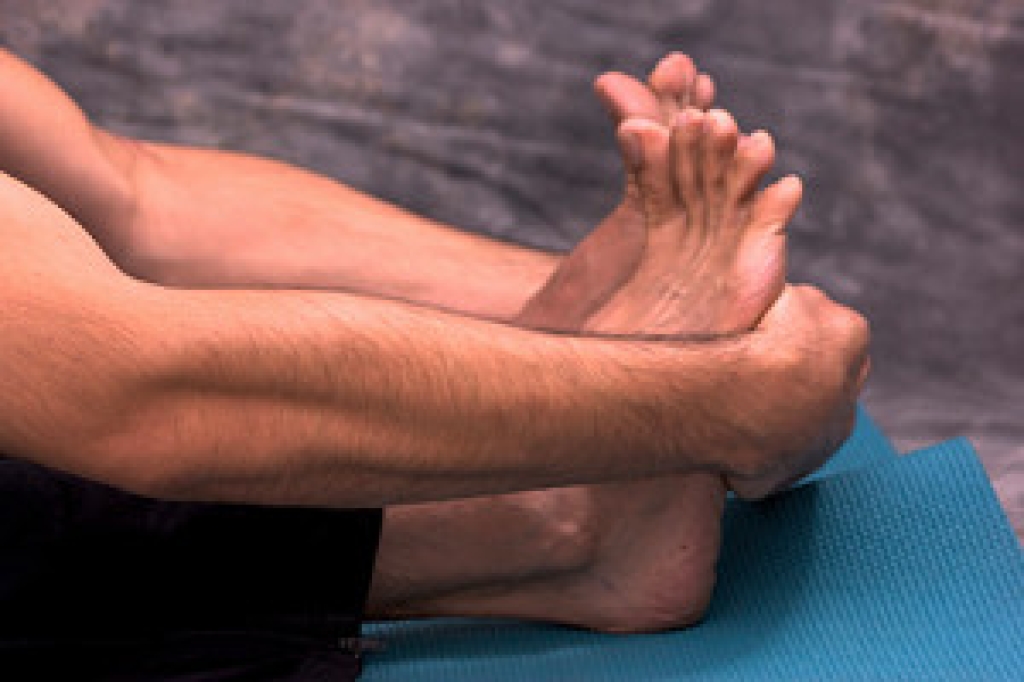 If you are someone who struggles with diabetes, neuropathy, or poor circulation, you may be aware of the benefits stretching has for the body, particularly the feet. Staying active by going for walks or performing routine stretches and exercises can be helpful for improving blood circulation within the feet. Ankle pumping, for example, is a great stretch you can perform by laying down on your back with your feet straight ahead, and flexing your toes upwards. You can even perform useful stretches while seated. Heel raises, for example, is a stretch that is done by sitting in a chair, and slowly raising your heels, holding for three seconds, and lowering them back down. You can do one heel at a time, or raise both heels together. This stretch can also be performed standing straight up and lifting the heels as well. For more advice on what stretches can help to benefit the functionality of your feet, it is suggested that you speak with a podiatrist.
Stretching the feet is a great way to prevent injuries. If you have any concerns with your feet consult with Dr. Stephen Petrofsky from Florida. Our doctor will assess your condition and provide you with quality foot and ankle treatment.
Stretching the Feet
Being the backbone of the body, the feet carry your entire weight and can easily become overexerted, causing cramps and pain. As with any body part, stretching your feet can serve many benefits. From increasing flexibility to even providing some pain relief, be sure to give your feet a stretch from time to time. This is especially important for athletes or anyone performing aerobic exercises, but anyone experiencing foot pain or is on their feet constantly should also engage in this practice.
Great ways to stretch your feet:
Individuals who tend to their feet by regular stretching every day should be able to minimize foot pain and prevent new problems from arising.
If you have any questions please contact our office located in Port Charlotte, FL . We offer the newest diagnostic and treatment technologies for all your foot and ankle needs.
 A foot corn can be characterized as a thickened area of the skin that is tender to the touch, and often takes a circular shape. Corns will likely form on the bottom or side of the foot because of excessive pressure, often due to ill-fitting footwear. Along with tenderness, other symptoms include foot pain and overall discomfort of the foot. It may help to put a bandage or pad over the corn to reduce irritation and prevent further friction. The affected area may also become dry and cause the skin to flake as well. To help treat a foot corn, please visit a podiatrist for professional care and treatment.
If you have any concerns regarding your feet and ankles, contact Dr. Stephen Petrofsky of Florida. Our doctor will treat your foot and ankle needs.
Corns: What Are They? and How Do You Get Rid of Them?
Corns can be described as areas of the skin that have thickened to the point of becoming painful or irritating. They are often layers and layers of the skin that have become dry and rough, and are normally smaller than calluses.
Ways to Prevent Corns
There are many ways to get rid of painful corns such as wearing:
Treating Corns
Treatment of corns involves removing the dead skin that has built up in the specific area of the foot. Consult with Our doctor to determine the best treatment option for your case of corns.
If you have any questions, please feel free to contact our office located in Port Charlotte, FL . We offer the newest diagnostic and treatment technologies for all your foot care needs.
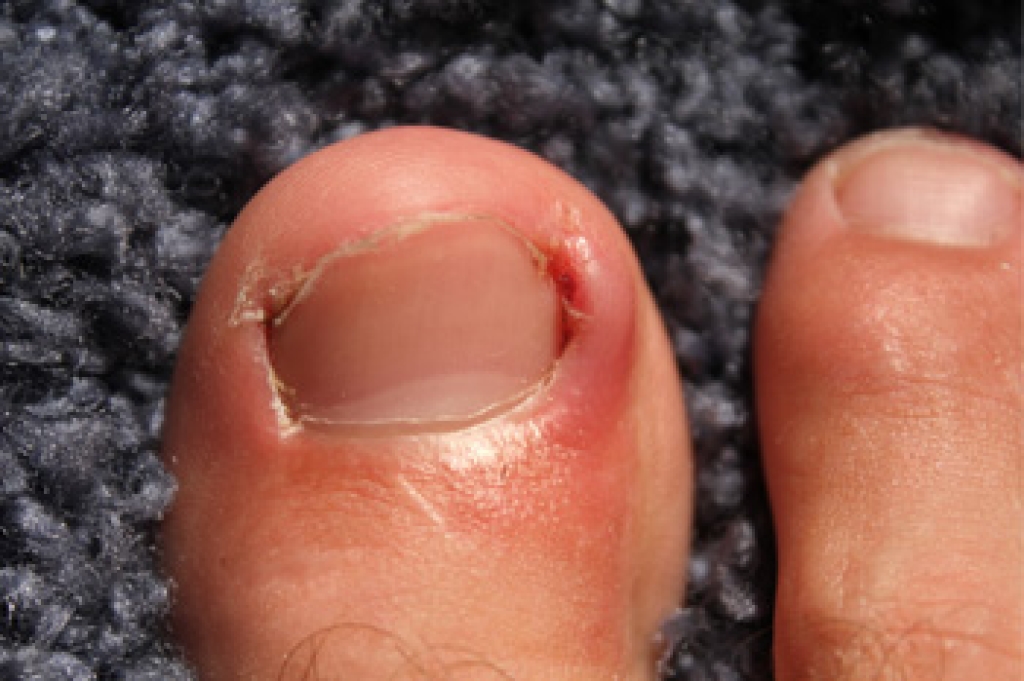 A sign an ingrown toenail has developed is noticeable when the side of the nail pierces the surrounding skin. This condition can cause severe pain and discomfort, and pus may ooze from an infected ingrown toenail. This ailment can occur for a variety of reasons. These can include wearing shoes that do not fit properly, incorrectly trimming the toenails, or possibly if a toe or nail injury has happened. The toe may appear red and inflamed, and it can be uncomfortable to wear shoes.The affected toe may feel better when it is soaked in warm water. When the skin is softened, some patients find mild relief when the nail is gently pushed away using a cotton swab. If you are afflicted with an ingrown toenail, it is strongly suggested that you consult with a podiatrist who can guide you toward correct treatment options.
Ingrown toenails can become painful if they are not treated properly. For more information about ingrown toenails, contact Dr. Stephen Petrofsky of Florida. Our doctor can provide the care you need to keep you pain-free and on your feet.
Ingrown Toenails
Ingrown toenails occur when a toenail grows sideways into the bed of the nail, causing pain, swelling, and possibly infection.
Causes
Prevention
Wearing proper fitting shoes and using proper cutting techniques will also help decrease your risk of developing ingrown toenails.
Treatment
Ingrown toenails are a very treatable foot condition. In minor cases, soaking the affected area in salt or antibacterial soaps will not only help with the ingrown nail itself, but also help prevent any infections from occurring. In more severe cases, surgery is an option. In either case, speaking to your podiatrist about this condition will help you get a better understanding of specific treatment options that are right for you.
If you have any questions, please feel free to contact our office located in Port Charlotte, FL . We offer the newest diagnostic and treatment technologies for all your foot care needs.