Blog

Causes of Tarsal Tunnel Syndrome

The tarsal tunnel is an area where multiple tendons, ligaments, and nerves connect  One nerve in this tunnel is the tibial nerve . Tarsal tunnel syndrome occurs when this nerve is pinched for various reasons. These can include enduring an ankle injury, rolling the ankle inward while walking or running, or if there is a mass or cyst. Some of the symptoms patients may experience with this condition can consist of burning pain, numbness, or tingling in the arch of the foot. Treatment often begins with resting the affected foot and wearing custom made orthotics. In addition to this, wearing supportive shoes can have a positive impact in providing mild relief. In severe cases, surgery may be necessary to permanently repair the tibial nerve. If you think you may have tarsal tunnel syndrome, it is suggested that you consult with a podiatrist who can offer you expert advice on proper treatment methods.

Tarsal tunnel syndrome can be very uncomfortable to live with. If you are experiencing tarsal tunnel syndrome, contact Dr. Stephen Petrofsky of Florida. Our doctor can provide the care you need to keep you pain-free and on your feet.

Tarsal Tunnel Syndrome

Tarsal tunnel syndrome, which can also be called tibial nerve dysfunction, is an uncommon condition of misfiring peripheral nerves in the foot. The tibial nerve is the peripheral nerve in the leg responsible for sensation and movement of the foot and calf muscles. In tarsal tunnel syndrome, the tibial nerve is damaged, causing problems with movement and feeling in the foot of the affected leg.

Common Cause of Tarsal Tunnel Syndrome

  • Involves pressure or an injury, direct pressure on the tibial nerve for an extended period of time, sometimes caused by other body structures close by or near the knee.
  • Diseases that damage nerves, including diabetes, may cause tarsal tunnel syndrome.
  • At times, tarsal tunnel syndrome can appear without an obvious cause in some cases.

The Effects of Tarsal Tunnel Syndrome

  • Different sensations, an afflicted person may experience pain, tingling, burning or other unusual sensations in the foot of the affected leg.
  • The foot muscles, toes and ankle become weaker, and curling your toes or flexing your foot can become difficult.
  • If condition worsens, infections and ulcers may develop on the foot that is experiencing the syndrome.

A physical exam of the leg can help identify the presence of tarsal tunnel syndrome. Medical tests, such as a nerve biopsy, are also used to diagnose the condition. Patients may receive physical therapy and prescriptive medication. In extreme cases, some may require surgery.

If you have any questions please contact our office located in Port Charlotte, FL . We offer the newest diagnostic and treatment technologies for all your foot and ankle needs.
Read more about Tarsal Tunnel Syndrome

I Think I Broke My Pinky Toe

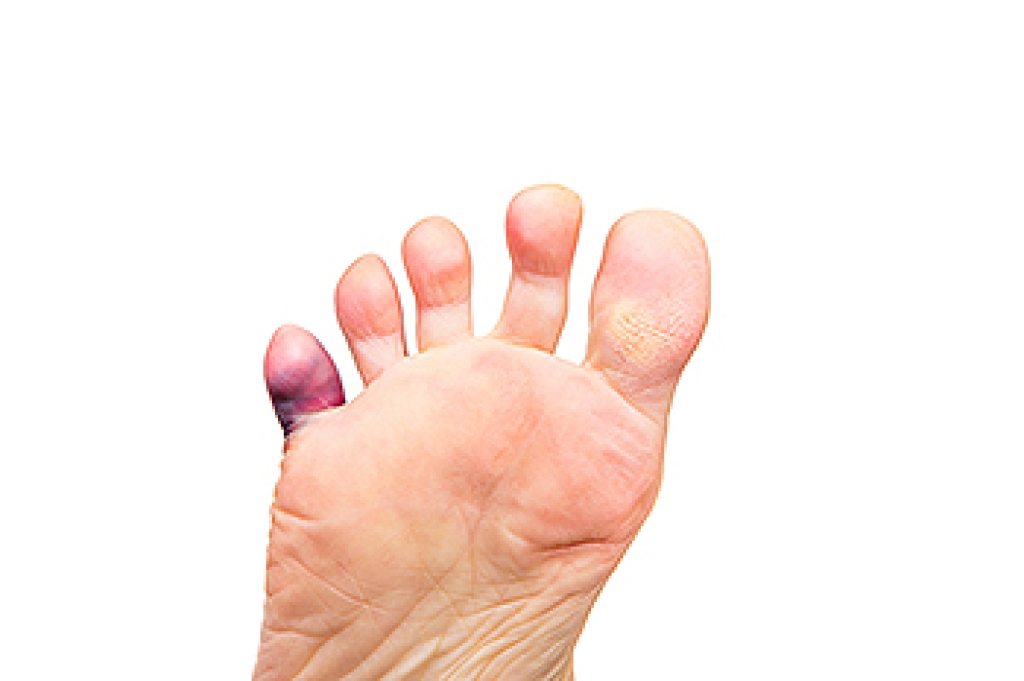
Though the pinky toe is the smallest toe on the foot, the pain from a break of this toe can be enormous. Such a break can happen from tripping, falling, stubbing, or dropping something on it. A broken pinky toe might become swollen and bruised, and it will likely be sore when walking on it. Sometimes the broken toe can be taped to the toe next to it for extra stability. This is known as “buddy taping,” and a podiatrist should do this so the toe heals properly. If you see that a bone has broken through the skin or the toe looks deformed, it is imperative to get immediate medical attention. Otherwise, the broken toe will not heal in a reasonable time and the pain can worsen. If you have sustained a toe injury of any kind, it is suggested to contact a podiatrist for a proper diagnosis and treatment. 

Broken toes may cause a lot of pain and should be treated as soon as possible. If you have any concerns about your feet, contact Dr. Stephen Petrofsky from Florida. Our doctor will treat your foot and ankle needs.

What Is a Broken Toe?

A broken toe occurs when one or more of the toe bones of the foot are broken after an injury. Injuries such as stubbing your toe or dropping a heavy object on it may cause a toe fracture.

Symptoms of a Broken Toe

  • Swelling
  • Pain (with/without wearing shoes)
  • Stiffness
  • Nail Injury

Although the injured toe should be monitored daily, it is especially important to have a podiatrist look at your toe if you have severe symptoms. Some of these symptoms include worsening or new pain that is not relieved with medication, sores, redness, or open wounds near the toe.

If you have any questions please feel free to contact our office located in Port Charlotte, FL . We offer the newest diagnostic tools and technology to treat your foot and ankle needs.

Read more about What to Know About a Broken Toe

Are Bunions Affecting Your Everyday Life?

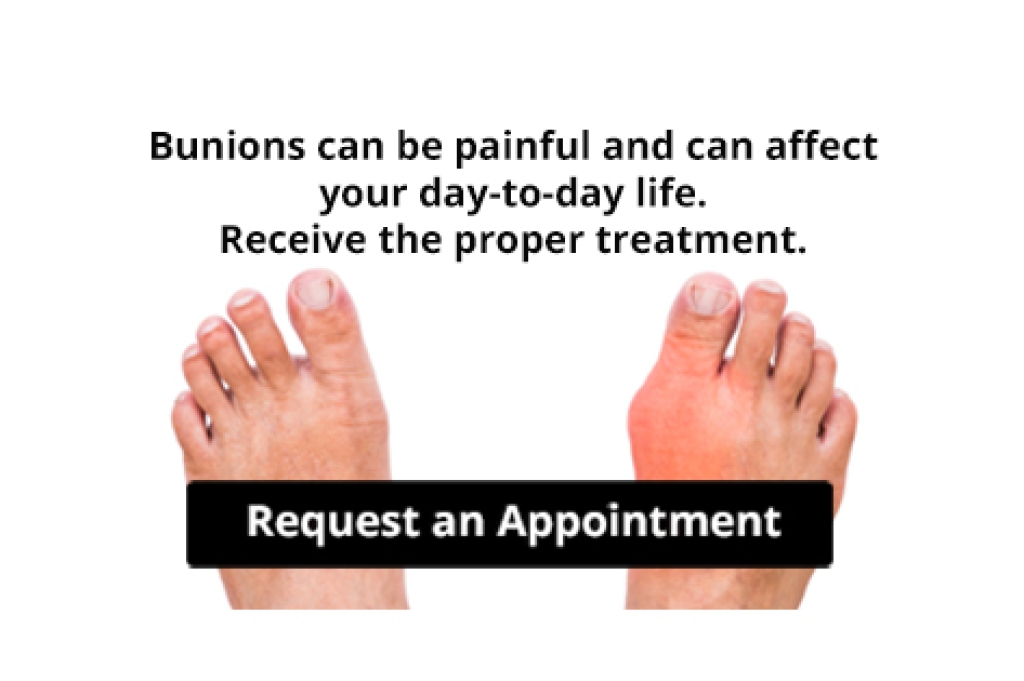
Have you noticed a bony protrusion on the side of your big toe? If so, you may have developed the foot condition known as a bunion. Don't let bunions interfere with your daily activities.

Babies' Feet Grow Fast

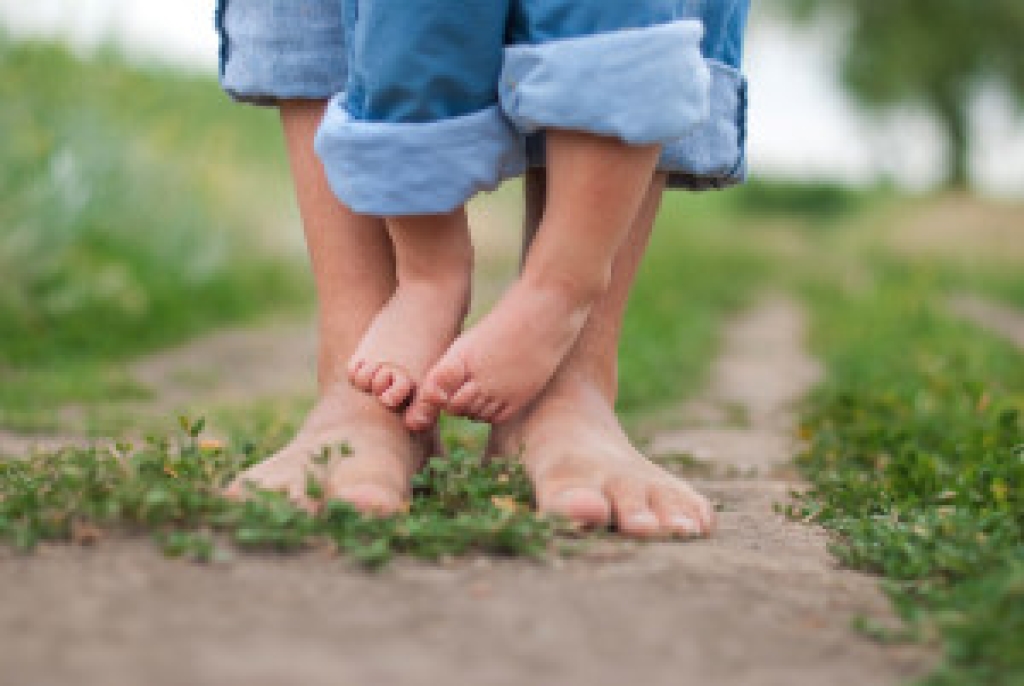
The feet contain one-quarter of the bones in the body, and will gradually develop from cartilage into bones. A baby’s feet may feel like a spongy material, and the arches will eventually form as their development progresses. A baby’s foot will grow three sizes during the first year of life, and it is beneficial that the feet are not restricted. When the crawling stage begins, it is helpful if the baby does this while barefooted, and this can help toes to become stronger as they try to stand up. Many parents choose to refrain from having their children wear shoes while indoors, which may help to strengthen the toes as they grip the floor. When it is time to walk outside, the first pair of shoes may consist of materials that are strong but flexible, and it is important they fit correctly. The baby’s growth will happen rapidly, and changing the shoes every few months will help to accommodate their growing feet. If you would like additional information about children’s foot health, please schedule an appointment with a podiatrist.

Making sure that your children maintain good foot health is very important as they grow. If you have any questions, contact Dr. Stephen Petrofsky of Florida. Our doctor can provide the care you need to keep you pain-free and on your feet.

Keeping Children's Feet Healthy

Having healthy feet during childhood can help prevent medical problems later in life, namely in the back and legs. As children grow, their feet require different types of care. Here are some things to consider...

Although babies do not walk yet, it is still very important to take care of their feet.

Avoid putting tight shoes or socks on his or her feet.

Allow the baby to stretch and kick his or her feet to feel comfortable.

As a toddler, kids are now on the move and begin to develop differently. At this age, toddlers are getting a feel for walking, so don’t be alarmed if your toddler is unsteady or ‘walks funny’. 

As your child gets older, it is important to teach them how to take care of their feet.

Show them proper hygiene to prevent infections such as fungus.

Be watchful for any pain or injury.

Have all injuries checked by a doctor as soon as possible.

Comfortable, protective shoes should always be worn, especially at play.

If you have any questions, please feel free to contact our office located in Port Charlotte, FL . We offer the newest diagnostic and treatment technologies for all your foot care needs.

Read more about What to Do to Keep Your Child’s Feet Healthy

Shoes Differ for Running and Walking

The foot moves differently while walking than it does when running. Podiatrists suggest buying shoes that would best serve the foot for the intended sport. When people run, the feet typically support approximately twice the weight of the body, and there are times when the foot is completely in the air. This is followed by an impact on the ground, and running shoes are designed to distribute weight throughout the foot. This type of shoe is generally constructed with extra mesh and can help to absorb body heat in addition to supporting the foot. People who enjoy walking can purchase lighter shoes. These types of shoes are made with less cushioning than running shoes and have extra shock absorbers in the heel and arch area. This may be beneficial in preventing foot and ankle injuries. If you would like more information about the differences between running and walking shoes, please confer with a podiatrist.

For more information about walking shoes versus running shoes, consult with Dr. Stephen Petrofsky from Florida. Our doctor can measure your feet to determine what your needs are and help you find an appropriate pair of footwear.

Foot Health: The Differences between Walking & Running Shoes

There are great ways to stay in shape: running and walking are two great exercises to a healthy lifestyle. It is important to know that running shoes and walking shoes are not interchangeable. There is a key difference on how the feet hit the ground when someone is running or walking. This is why one should be aware that a shoe is designed differently for each activity.

You may be asking yourself what the real differences are between walking and running shoes and the answers may shock you.

Differences

Walking doesn’t involve as much stress or impact on the feet as running does. However, this doesn’t mean that you should be any less prepared. When you’re walking, you land on your heels and have your foot roll forward. This rolling motion requires additional support to the feet.

Flexibility – Walking shoes are designed to have soft, flexible soles. This allows the walker to push off easily with each step.

If you have any questions, please feel free to contact our office located in Port Charlotte, FL . We offer the newest diagnostic and treatment technologies for all your foot care needs.

Read more about Differences between Walking and Running Shoes
Connect with us