
Blog

Car Accidents and Broken Ankles

When an individual is involved in a car accident, usually any negative impact on the feet is not the first concern that might come to mind. However, being involved in a car accident when driving can lead to damaging effects on the feet that one ought to be aware of. For example, ankle injuries, and more specifically broken or fractured ankles are a common consequence of being involved in a car accident. Ankle fractures are defined as a condition of the foot when one or more bones around the ankle (i.e. the ankle joint) become broken. When only one bone is broken, this condition is not always as severe as when multiple bones are fractured. Ankle fractures are nothing to take lightly and if you have suffered an ankle fracture due to a car accident, it might be best to reach out to a podiatrist today to receive any treatment that is necessary to address the problem. Contact a podiatrist today to schedule an appointment.

Broken ankles need immediate treatment. If you are seeking treatment, contact Dr. Stephen Petrofsky from Florida. Our doctor can provide the care you need to keep you pain-free and on your feet. 

Broken Ankles
A broken ankle is experienced when a person fractures their tibia or fibula in the lower leg and ankle area. Both of these bones are attached at the bottom of the leg and combine to form what we know to be our ankle.

When a physician is referring to a break of the ankle, he or she is usually referring to a break in the area where the tibia and fibula are joined to create our ankle joint. Ankles are more prone to fractures because the ankle is an area that suffers a lot of pressure and stress. There are some obvious signs when a person experiences a fractured ankle, and the following symptoms may be present.

Symptoms of a Fractured Ankle

  • Excessive pain when the area is touched or when any pressure is placed on the ankle
  • Swelling around the area
  • Bruising of the area
  • Area appears to be deformed

If you suspect an ankle fracture, it is recommended to seek treatment as soon as possible. The sooner you have your podiatrist diagnose the fracture, the quicker you’ll be on the way towards recovery.

If you have any questions, please feel free to contact our office located in Port Charlotte, FL . We offer the newest diagnostic and treatment technologies for all your foot care needs.
Read more about Broken Ankle Causes, Differences, Symptoms and Treatments

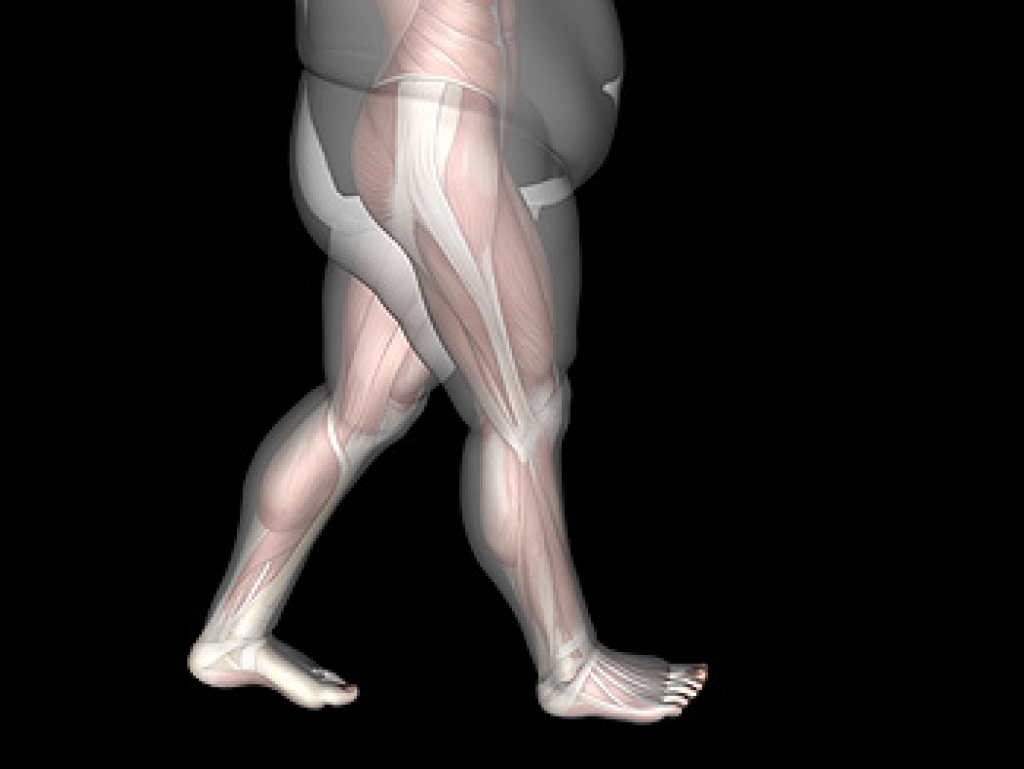
Being Obese and Walking

It can be frustrating when trying to get in shape when morbidly obese. High-intensity exercises can cause injuries and joint pain when one is overweight. Therefore, low-intensity exercises, like walking or swimming, can pave the way to more high-intensity workouts. To get the most out of walking and avoiding injuries when obese, one can do some simple things like having a plan and setting goals. Determine how much weight you want to lose and how many steps you plan to walk each day. Make sure your clothing is comfortable and your shoes fit well, and are supportive and comfortable. Start small, such as walking 15 minutes a day, and warm up muscles before walking to avoid unnecessary injuries to the feet. If you would like more help in developing an exercise plan to safely get in shape and reduce weight, consult with a podiatrist..

The more you weigh, the harder your feet must work to support your body. If you’re an obese individual and are concerned about your feet, contact Dr. Stephen Petrofsky from Florida. Our doctor can provide the care you need to keep you pain-free and on your feet.

Obesity and Your Feet

People who are overweight are putting more pressure on their ankles, knees, and hips as well as their feet. This unfortunately can lead to variety of different issues.

Problems & Complications Stemming from Obesity

  • When the body is overweight, it tries to compensate by changing the way that it moves. An obese person may lean forward and put extra weight on the wrong part of the foot. This puts unnecessary stress on the feet.
  • Obese people are also more likely to develop type II diabetes which is a condition that causes a lot of foot problems. People with diabetes often don’t feel the cuts and sores that they may have on their feet, which can lead to more complicated and severe issues.
  • Plantar fasciitis is another foot condition that can be caused by obesity. Plantar fasciitis is an inflammation of the tissue along the bottom of the foot, which causes pain and stiffness while walking and climbing stairs.

If you have any questions please contact our office located in Port Charlotte, FL . We offer the newest diagnostic and treatment technologies for all your foot and ankle needs.

Read more about Obesity and the Feet

Cuboid Syndrome and Taping

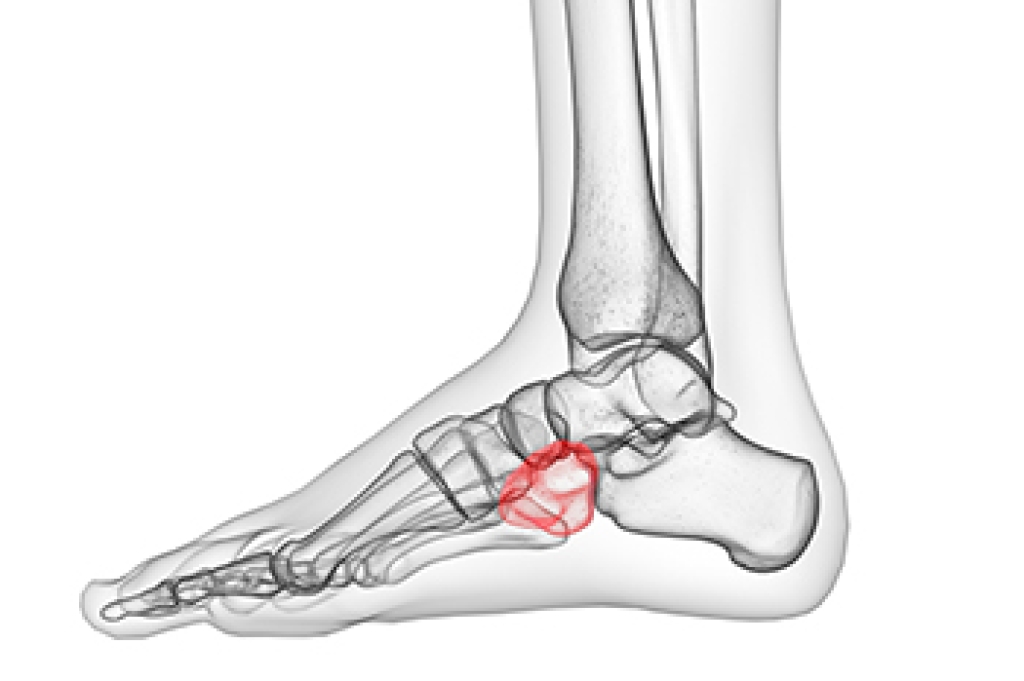
Cuboid syndrome is a lesser-known affliction of the foot among the general public. Primarily affecting the cuboid bone at the deep plantar area of the foot, cuboid syndrome occurs when the cuboid bone moves out of alignment. A medical professional may recommend any number of different techniques to treat cuboid syndrome. Taping is one such technique that might be used to treat the condition or mitigate its effects. Taping can be performed by a medical professional trained in foot health such as a podiatrist. A podiatrist performs this by essentially wrapping the foot in medical tape. Specifically, the podiatrist can secure tape on the bottom of the foot by the cuboid bone and wrap the tape around the top of the foot to the ankle. If you believe that you might have cuboid syndrome, contact a podiatrist today.

Cuboid syndrome, also known as cuboid subluxation, occurs when the joints and ligaments near the cuboid bone in the foot become torn. If you have cuboid syndrome, consult with Dr. Stephen Petrofsky from Florida. Our doctor will assess your condition and provide you with quality foot and ankle treatment.

Cuboid syndrome is a common cause of lateral foot pain, which is pain on the outside of the foot. The condition may happen suddenly due to an ankle sprain, or it may develop slowly overtime from repetitive tension through the bone and surrounding structures.

Causes

The most common causes of cuboid syndrome include:

  • Injury – The most common cause of this ailment is an ankle sprain.
  • Repetitive Strain – Tension placed through the peroneus longus muscle from repetitive activities such as jumping and running may cause excessive traction on the bone causing it to sublux.
  • Altered Foot Biomechanics – Most people suffering from cuboid subluxation have flat feet.

Symptoms

A common symptom of cuboid syndrome is pain along the outside of the foot which can be felt in the ankle and toes. This pain may create walking difficulties and may cause those with the condition to walk with a limp.

Diagnosis

Diagnosis of cuboid syndrome is often difficult, and it is often misdiagnosed. X-rays, MRIs and CT scans often fail to properly show the cuboid subluxation. Although there isn’t a specific test used to diagnose cuboid syndrome, your podiatrist will usually check if pain is felt while pressing firmly on the cuboid bone of your foot.

Treatment

Just as the range of causes varies widely, so do treatments. Some more common treatments are ice therapy, rest, exercise, taping, and orthotics.

If you have any questions, please feel free to contact our office located in Port Charlotte, FL . We offer the newest diagnostic and treatment technologies for all your foot care needs.

Read more about Cuboid Syndrome

Are You Suffering From Ingrown Toenails?

If left untreated, an ingrown toenail can lead to more serious concerns, such as an infection. Knowing proper nail care can help in the prevention of an ingrown toenail. Give us a call, and get treated!

What Are Hot Spots and Blisters?

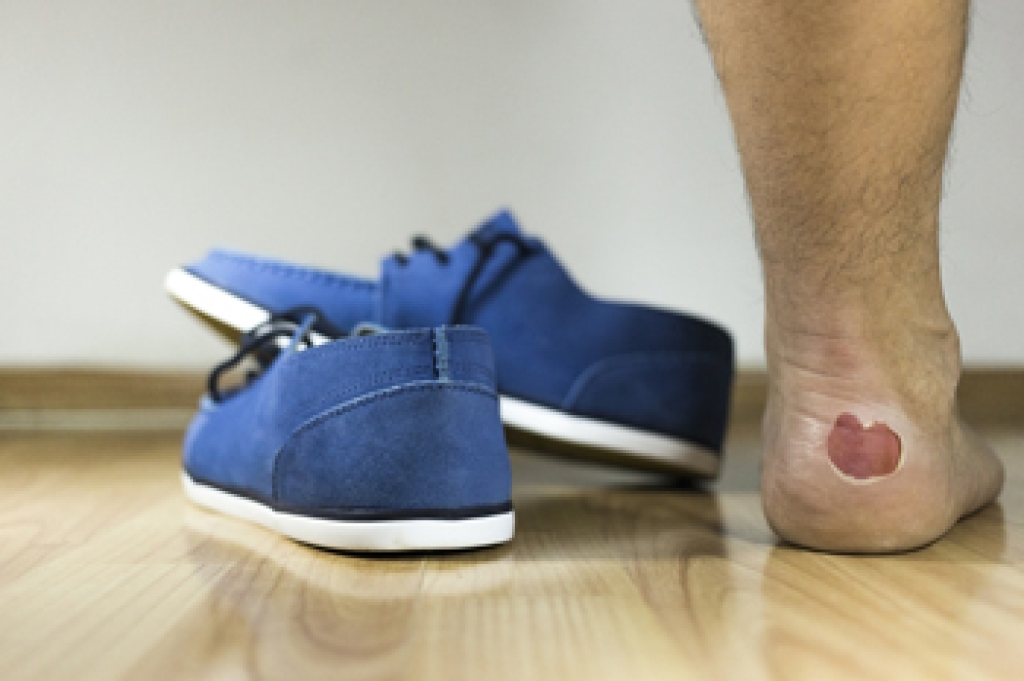
Blisters, as many individuals might already know, are bubble-like areas of skin that can develop on the feet in response to friction. When an individual develops a blister, sometimes the blister can make engaging in physical activities difficult or uncomfortable. Anyone serious about preventing or treating blisters ought to be aware of what “hot spots” are and how they are related to blister formation on the feet. Essentially, hot spots are the first symptom of a blister, and they can indicate that a blister is about to form. Hot spots are more or less self-explanatory; they are areas of the feet that are hot and can feel significantly irritated. If you feel a hot spot on the feet developing, then this might indicate that a blister is on the way. Typically, when an individual feels a hot spot developing, they must address the problem to prevent a blister from forming. If you are someone that already has a blister or feels a hot spot on their feet, schedule an appointment with a podiatrist today. 

Blisters are prone to making everyday activities extremely uncomfortable. If your feet are hurting, contact Dr. Stephen Petrofsky of Florida. Our doctor can provide the care you need to keep you pain-free and on your feet.

Foot Blisters

Foot blisters develop as a result of constantly wearing tight or ill-fitting footwear. This happens due to the constant rubbing from the shoe, which can often lead to pain.

What Are Foot Blisters?

A foot blister is a small fluid-filled pocket that forms on the upper-most layer of the skin. Blisters are filled with clear fluid and can lead to blood drainage or pus if the area becomes infected.

How Do Blisters Form?

Blisters on the feet are often the result of constant friction of skin and material, usually by shoe rubbing. Walking in sandals, boots, or shoes that don’t fit properly for long periods of time can result in a blister. Having consistent foot moisture and humidity can easily lead to blister formation.

Prevention & Treatment

It is important to properly care for the affected area in order to prevent infection and ease the pain. Do not lance the blister and use a Band-Aid to provide pain relief. Also, be sure to keep your feet dry and wear proper fitting shoes. If you see blood or pus in a blister, seek assistance from a podiatrist.

If you have any questions, please feel free to contact our office located in Port Charlotte, FL . We offer the newest diagnostic and treatment technologies for all your foot care needs.
Read more about Blisters on the Feet
Connect with us