
Blog

Characteristics of Hand, Foot, and Mouth Disease (HFM)

If your child has a red, blistering rash on their feet, a sore throat, and a fever, they may be suffering from hand, foot, and mouth (HFM) disease. HFM is a viral infection common in early childhood. It is spread through direct contact with bodily fluids. The blisters associated with HFM disease are typically red with a small, fluid-filled bubble on top, although they can also be flat. These blisters may peel, leaving behind ulcers. HFM blisters often appear on the soles of the feet. While HFM usually clears up on its own, your child may experience pain or discomfort from HFM blisters on their feet. Keeping their feet clean and applying antibiotic ointments over popped blisters can help prevent infection. If your child has a rash or blisters on their feet, it is suggested that you consult with a podiatrist. 

Making sure that your children maintain good foot health is very important as they grow. If you have any questions, contact Dr. Stephen Petrofsky of Florida. Our doctor can provide the care you need to keep you pain-free and on your feet.

Keeping Children's Feet Healthy

Having healthy feet during childhood can help prevent medical problems later in life, namely in the back and legs. As children grow, their feet require different types of care. Here are some things to consider...

Although babies do not walk yet, it is still very important to take care of their feet.

Avoid putting tight shoes or socks on his or her feet.

Allow the baby to stretch and kick his or her feet to feel comfortable.

As a toddler, kids are now on the move and begin to develop differently. At this age, toddlers are getting a feel for walking, so don’t be alarmed if your toddler is unsteady or ‘walks funny’. 

As your child gets older, it is important to teach them how to take care of their feet.

Show them proper hygiene to prevent infections such as fungus.

Be watchful for any pain or injury.

Have all injuries checked by a doctor as soon as possible.

Comfortable, protective shoes should always be worn, especially at play.

If you have any questions, please feel free to contact our office located in Port Charlotte, FL . We offer the newest diagnostic and treatment technologies for all your foot care needs.
Read more about What to Do to Keep Your Child’s Feet Healthy

Lower Limb Swelling and Lupus

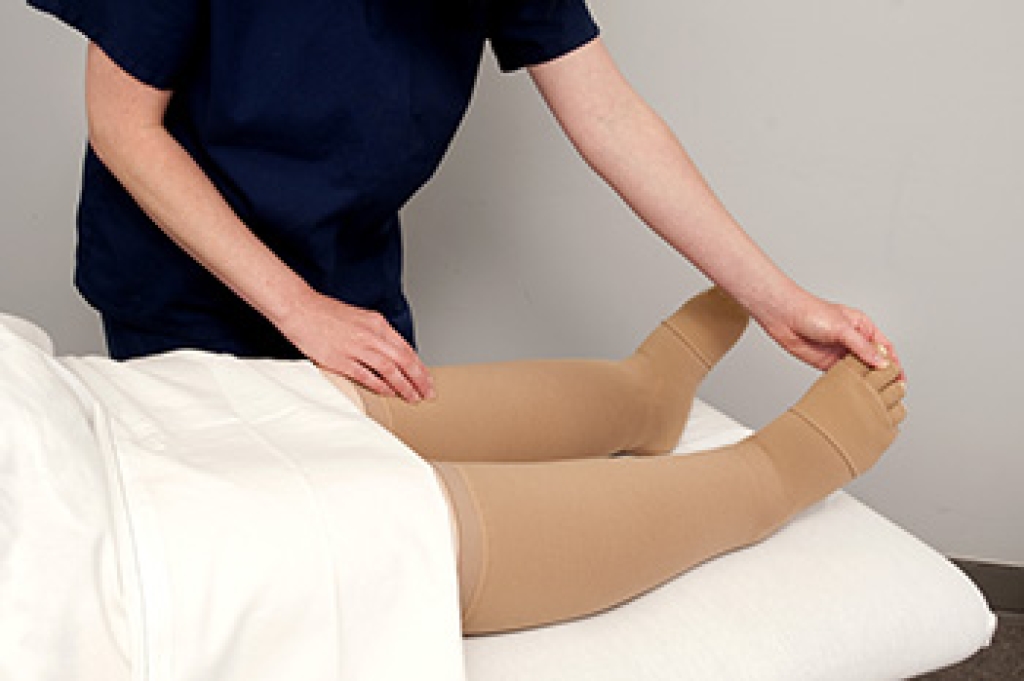
If you have lupus, which is a type of autoimmune disorder, you may notice swelling in your feet and ankles. Lower limb swelling occurs in approximately half of all people with lupus. Lupus frequently damages the kidneys, which are responsible for maintaining the correct quantities of fluid in the body. When the kidneys don’t work properly, fluid can build up in the lower limbs and lead to painful swelling. A podiatrist can help you reduce swelling in your feet and ankles. This foot specialist may suggest wearing compression stockings and changing your footwear, as well as improving your exercise habits or diet. They can also prescribe orthotics to increase your comfort and make it easier to walk. To learn more about caring for your feet when you have lupus, schedule an appointment with a podiatrist near you.  

When dealing with systemic disease of the feet, it is extremely important to check the affected areas routinely so that any additional problems are caught quickly.  If you have any concerns about your feet and ankles contact Dr. Stephen Petrofsky from Florida. Our doctor will assist you with all of your podiatric needs.

Systemic Diseases of the Feet

Systemic diseases affect the whole body, and symptoms usually are displayed in the feet. This condition can make a patient’s ability to walk unbearable.  Systemic diseases include gout, diabetes mellitus, neurological disorders, and arthritis.

Gout – is caused by an excess of uric acid in the body. Common symptoms include pain, inflammation, and redness at the metatarsal/phalangeal joint of the base big toe. Gout can be treated by NSAIDs to relieve pain and inflammation, and other drugs that lower the acid levels in the body.

Diabetes mellitus – is an increase in the level of blood sugar that the body cannot counteract with its own insulin. Failure to produce enough insulin is a factor in Diabetes.

Diabetes of the Feet

Diabetic Neuropathy – may lead to damaged nerves and affect the feet through numbness and loss of sensation.

Peripheral Vascular Disease – can restrict the blood flow to the feet, and often times lead to amputation of the feet. 

If you have any questions please contact our office located in Port Charlotte, FL . We offer the newest diagnostic and treatment technologies for all your foot and ankle needs.

Read more about Systemic Diseases of the Foot

Heel Pain Can Be Treated!

Do you suffer from heel pain when you get up in the morning? If so, you should seek professional help and have a proper diagnosis performed. Heel pain can be caused by several different foot-related conditions.

How Can Older Adults Keep Their Feet Healthy?

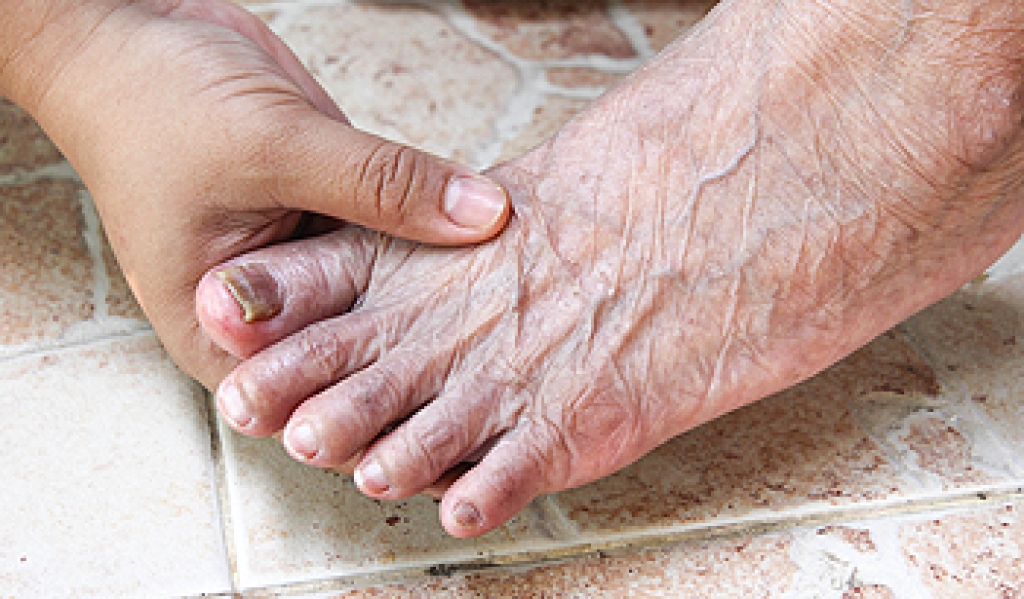
As the body ages, a variety of foot conditions are more likely to develop. For example, foot pads can thin out, nails can become brittle, skin and tissues may lose elasticity, arches can sag, and circulation problems can lead to foot conditions such as sores. Because of this, older adults should be mindful about taking good care of their feet to stay healthy, which in turn will help to avoid potentially dangerous conditions from developing. Shoes should be comfortable and fit well to avoid corns, bunions, and calluses. To avoid fungal infections, feet and toes should be kept clean and thoroughly dried. Moisturizer should be applied to keep skin supple and to avoid cracked heels from developing. Stretching the feet, walking, and elevating the feet can aid in keeping your blood flow. Toenails should be trimmed straight across and even with the tip of the toe. Older adults with diabetes should inspect their feet daily to detect any cut or abnormality that may develop into a wound. Regular check-ups with a podiatrist can also help older adults keep their feet and ankles in good shape.

Proper foot care is something many older adults forget to consider. If you have any concerns about your feet and ankles, contact Dr. Stephen Petrofsky from Florida. Our doctor can provide the care you need to keep you pain-free and on your feet.

The Elderly and Their Feet

As we age we start to notice many changes in our body, but the elder population may not notice them right away. Medical conditions may prevent the elderly to take notice of their foot health right away. Poor vision is a lead contributor to not taking action for the elderly.

Common Conditions 

  • Neuropathy – can reduce feeling in the feet and can hide many life-threatening medical conditions.
  • Reduced flexibility – prevents the ability of proper toenail trimming, and foot cleaning. If left untreated, it may lead to further medical issues.
  • Foot sores – amongst the older population can be serious before they are discovered. Some of the problematic conditions they may face are:
  • Gouging toenails affecting nearby toe
  • Shoes that don’t fit properly
  • Pressure sores
  • Loss of circulation in legs & feet
  • Edema & swelling of feet and ankles

Susceptible Infections

Diabetes and poor circulation can cause general loss of sensitivity over the years, turning a simple cut into a serious issue.

If you have any questions, please feel free to contact our office located in Port Charlotte, FL . We offer the newest diagnostic and treatment technologies for all your foot care needs.
Read more about Taking Care of Elderly Feet

What Causes Ingrown Toenails?

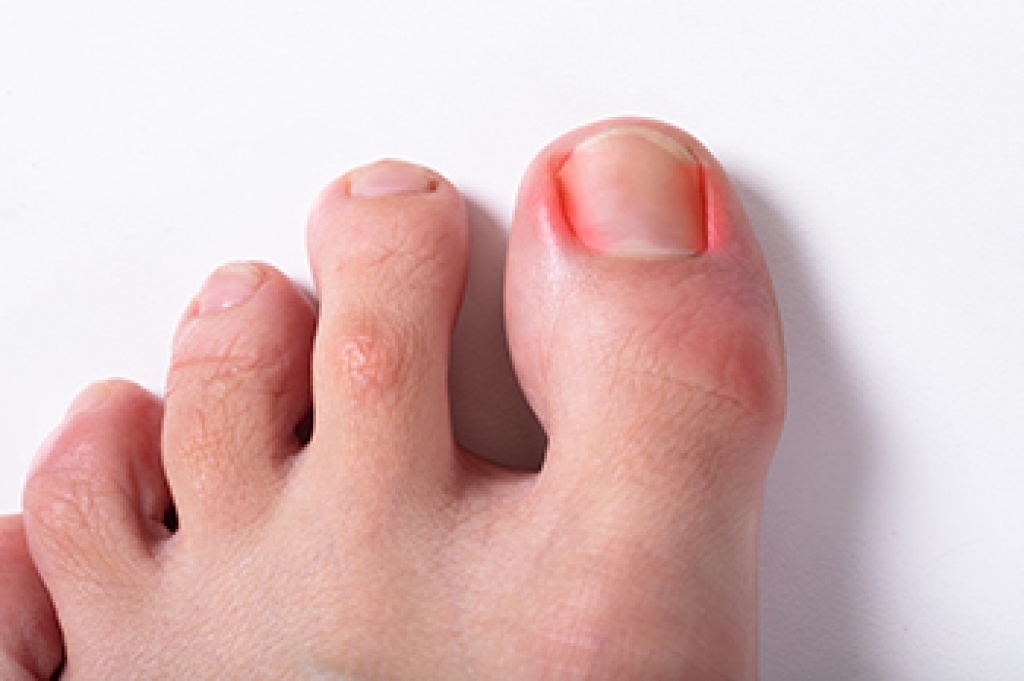
When a toenail curves at the sides and grows down into the surrounding skin, an ingrown toenail can form. This causes the toenail to dig deep into the skin resulting in pain, redness, and swelling in the affected area. Common methods that are used to prevent ingrown toenails can include wearing shoes and socks that allow enough room for the toes to move freely, keeping the feet clean and dry, and cutting the toenails straight across but not too short. Ingrown toenails may develop due to trauma, a fungal infection, psoriasis, or pressure that is applied on the nailbed from certain athletic activities. Other risk factors can include diabetes, circulation problems, or numbness in the toes. If you have an ingrown toenail that is persistent or looks infected, visiting a podiatrist can be extremely beneficial for your foot health.

Ingrown toenails may initially present themselves as a minor discomfort, but they may progress into an infection in the skin without proper treatment. For more information about ingrown toenails, contact Dr. Stephen Petrofsky of Florida. Our doctor can provide the care you need to keep you pain-free and on your feet.

Ingrown Toenails

Ingrown toenails are caused when the corner or side of a toenail grows into the soft flesh surrounding it. They often result in redness, swelling, pain, and in some cases, infection. This condition typically affects the big toe and may recur if it is not treated properly.

Causes

  • Improper toenail trimming
  • Genetics
  • Improper shoe fitting
  • Injury from pedicures or nail picking
  • Abnormal gait
  • Poor hygiene

You are more likely to develop an ingrown toenail if you are obese, have diabetes, arthritis, or have any fungal infection in your nails. Additionally, people who have foot or toe deformities are at a higher risk of developing an ingrown toenail.

Symptoms

Some symptoms of ingrown toenails are redness, swelling, and pain. In rare cases, there may be a yellowish drainage coming from the nail.

Treatment

Ignoring an ingrown toenail can have serious complications. Infections of the nail border can progress to a deeper soft-tissue infection, which can then turn into a bone infection. You should always speak with your podiatrist if you suspect you have an ingrown toenail, especially if you have diabetes or poor circulation.

If you have any questions, please feel free to contact our office located in Port Charlotte, FL . We offer the newest diagnostic and treatment technologies for all your foot care needs.
Read more about Ingrown Toenail Care
Connect with us