If you are suffering from tenderness, pain, or stiffness in the joints of your feet or ankles, call us to schedule an appointment.
If you are suffering from tenderness, pain, or stiffness in the joints of your feet or ankles, call us to schedule an appointment.
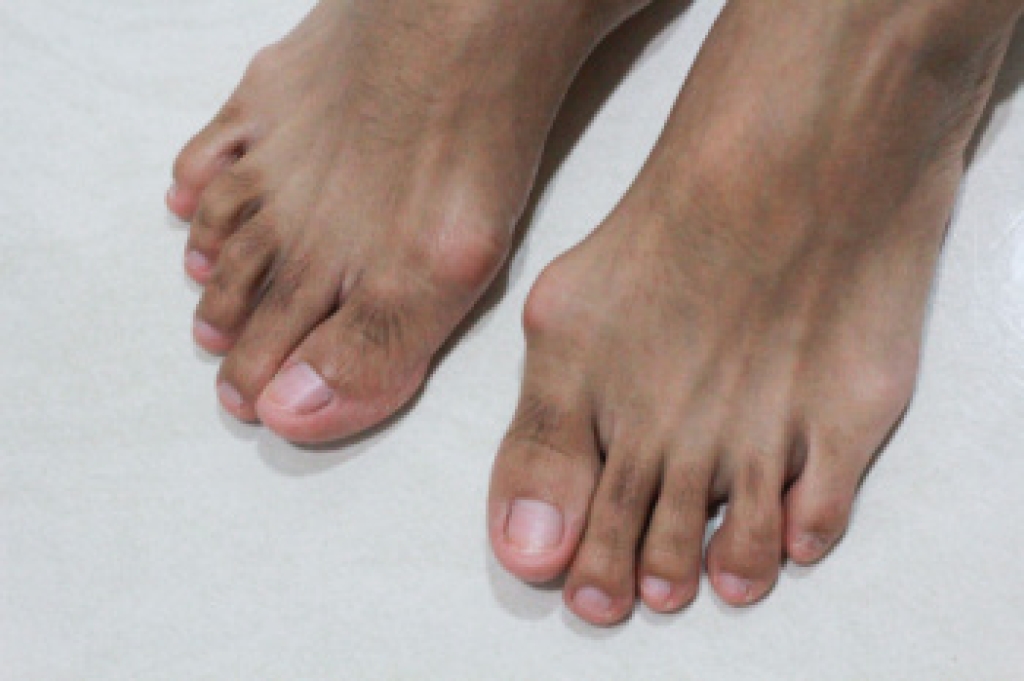
Bunions are a progressive foot condition that creates a bony bump at the base of the big toe joint. They are often caused by inherited foot structure, improper footwear, or repeated stress on the foot. A bunion may look swollen, red, or enlarged and can feel achy, stiff, or painful, especially during walking or while wearing tight shoes. Some people notice burning sensations, throbbing, or limited range of motion in the toe. A podiatrist can help from the start by evaluating foot alignment, gait, and joint function, and may use imaging to confirm severity. Treatment options range from footwear guidance and padding to custom orthotics designed to reduce pressure and discomfort. Early care may slow progression and improve daily mobility and overall foot health. If you have a painful bunion, it is suggested that you schedule an appointment with a podiatrist for effective relief and treatment solutions.
If you are suffering from bunions, contact Dr. Stephen Petrofsky of Florida. Our doctor can provide the care you need to keep you pain-free and on your feet.
What Is a Bunion?
A bunion is formed of swollen tissue or an enlargement of boney growth, usually located at the base joint of the toe that connects to the foot. The swelling occurs due to the bones in the big toe shifting inward, which impacts the other toes of the foot. This causes the area around the base of the big toe to become inflamed and painful.
Why Do Bunions Form?
Genetics – Susceptibility to bunions are often hereditary
Stress on the feet – Poorly fitted and uncomfortable footwear that places stress on feet, such as heels, can worsen existing bunions
How Are Bunions Diagnosed?
Podiatrists often perform two tests – blood tests and x-rays – when trying to diagnose bunions, especially in the early stages of development. Blood tests help determine if the foot pain is being caused by something else, such as arthritis, while x-rays provide a clear picture of your bone structure to your provider.
How Are Bunions Treated?
If you have any questions, please feel free to contact our office located in Port Charlotte, FL . We offer the newest diagnostic and treatment technologies for all your foot care needs.
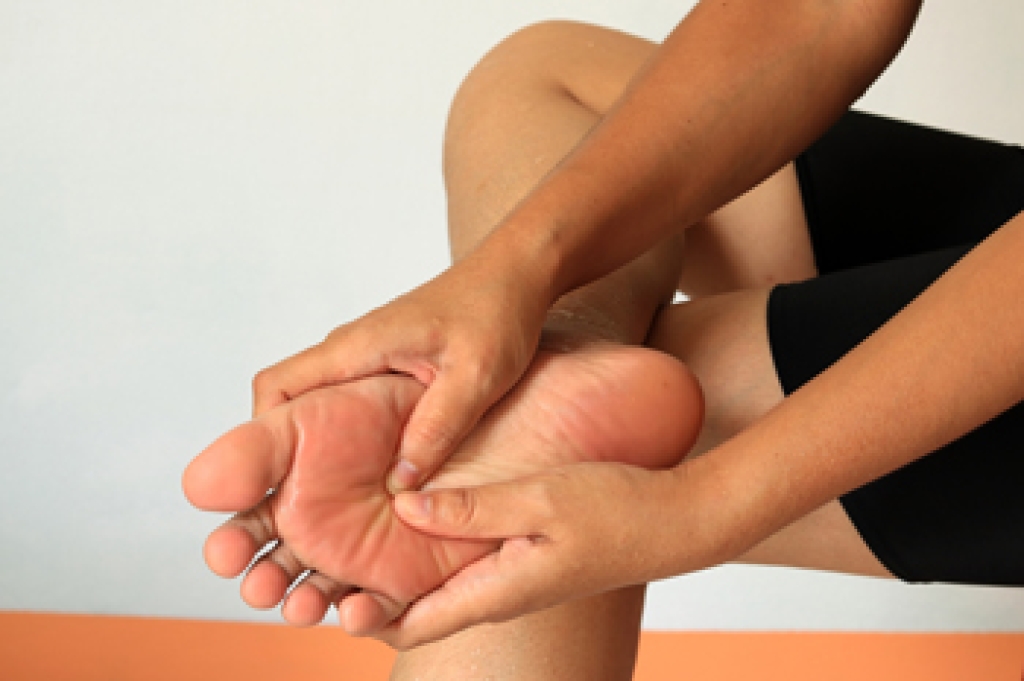
Foot tingling is a common symptom that can signal underlying health concerns affecting the nerves, circulation, or musculoskeletal system. Conditions like diabetes, multiple sclerosis, and hypothyroidism can lead to nerve damage or neuropathy, resulting in tingling, numbness, or burning sensations in the feet. Mechanical issues like tarsal tunnel syndrome, where the nerve is compressed near the ankle, can also produce similar symptoms. Risk factors include prolonged standing, wearing poorly fitting footwear, or a history of foot injury. A podiatrist can perform a thorough evaluation to identify the cause, recommend appropriate testing, and provide targeted treatments such as orthotics, nerve decompression techniques, or lifestyle adjustments. If you have these sensations in your feet, it is suggested that you consult a podiatrist who can determine what the cause is, and offer appropriate treatment solutions.
Foot Pain
Foot pain can be extremely painful and debilitating. If you have a foot pain, consult with Dr. Stephen Petrofsky from Florida. Our doctor will assess your condition and provide you with quality foot and ankle treatment.
Causes
Foot pain is a very broad condition that could be caused by one or more ailments. The most common include:
Diagnosis
To figure out the cause of foot pain, podiatrists utilize several different methods. This can range from simple visual inspections and sensation tests to X-rays and MRI scans. Prior medical history, family medical history, and any recent physical traumatic events will all be taken into consideration for a proper diagnosis.
Treatment
Treatment depends upon the cause of the foot pain. Whether it is resting, staying off the foot, or having surgery; podiatrists have a number of treatment options available for foot pain.
If you have any questions, please feel free to contact our office located in Port Charlotte, FL . We offer the newest diagnostic and treatment technologies for all your foot care needs.
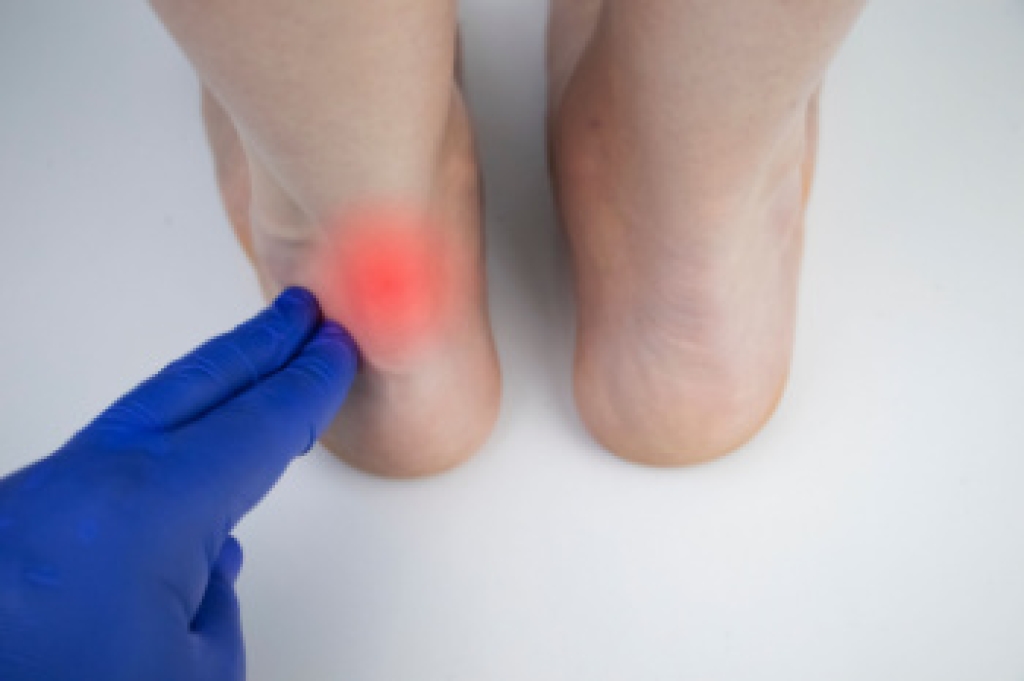
Achilles tendonitis is an inflammation of the tendon that connects the calf muscles to the heel bone. It often develops when the tendon is overstressed, leading to pain and stiffness at the back of the ankle. Common causes include over-training, sudden changes in training surfaces, tight hamstrings, poor shoes, and frequent running on an incline. These factors place extra strain on the tendon and can lead to gradual irritation. A podiatrist can evaluate the severity of the condition, provide targeted treatments, recommend proper footwear, and guide stretching and strengthening plans to support healing. If Achilles tendon pain is affecting your daily life or exercise routine, it is suggested that you schedule an appointment with a podiatrist who can offer effective relief and treatment solutions.
Achilles tendon injuries need immediate attention to avoid future complications. If you have any concerns, contact Dr. Stephen Petrofsky of Florida. Our doctor can provide the care you need to keep you pain-free and on your feet.
What Is the Achilles Tendon?
The Achilles tendon is a tendon that connects the lower leg muscles and calf to the heel of the foot. It is the strongest tendon in the human body and is essential for making movement possible. Because this tendon is such an integral part of the body, any injuries to it can create immense difficulties and should immediately be presented to a doctor.
What Are the Symptoms of an Achilles Tendon Injury?
There are various types of injuries that can affect the Achilles tendon. The two most common injuries are Achilles tendinitis and ruptures of the tendon.
Achilles Tendinitis Symptoms
Rupture Symptoms
Treatment and Prevention
Achilles tendon injuries are diagnosed by a thorough physical evaluation, which can include an MRI. Treatment involves rest, physical therapy, and in some cases, surgery. However, various preventative measures can be taken to avoid these injuries, such as:
If you have any questions please feel free to contact our office located in Port Charlotte, FL . We offer the newest diagnostic tools and technology to treat your foot and ankle needs.
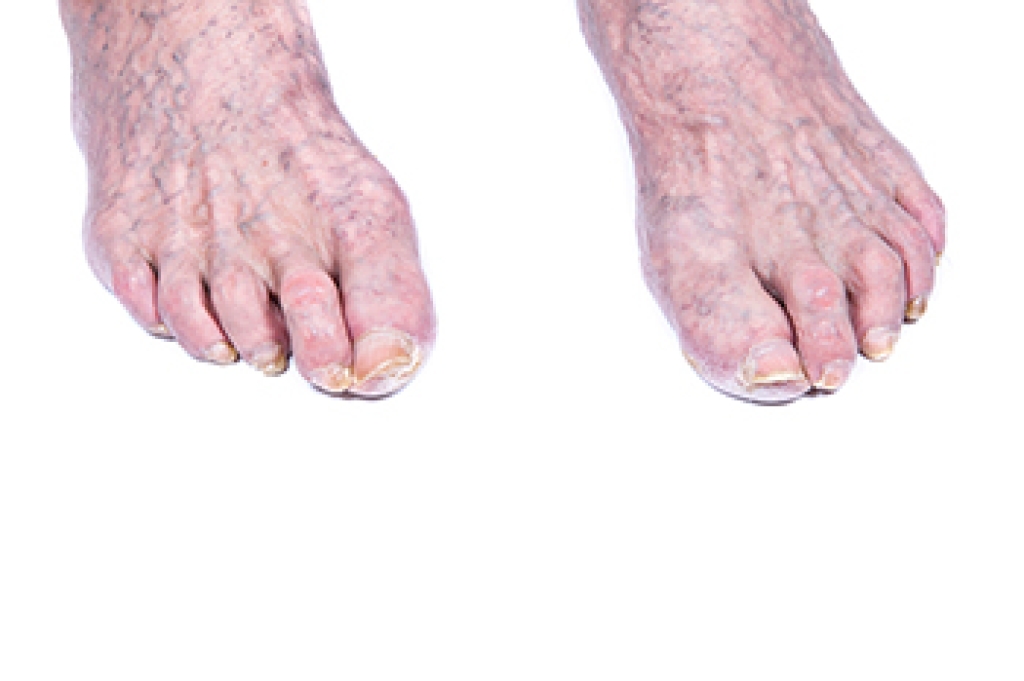
Senior foot care is an important part of staying active, balanced, and independent. A simple daily foot check helps identify changes, including redness, swelling, or sores, before they worsen. Washing and drying the feet thoroughly keeps the skin healthy, while applying moisturizer, but not between the toes, helps prevent cracking. Trimming toenails straight across reduces the risk of ingrown nails, and choosing shoes that fit well supports stability and protects delicate skin. A podiatrist can address foot pain, toenail problems, circulation concerns, and other changes related to aging. If you or an elderly loved one have developed foot pain, it is suggested that you consult a podiatrist who can treat various foot conditions, and guide you on additional foot care tips.
If you need your feet checked, contact Dr. Stephen Petrofsky of Florida. Our doctor will attend to all of your foot and ankle needs and provide you with quality treatment.
Geriatrics and Podiatry
When people age, some common issues that may occur are bone density loss, dry skin, poor circulation, and rough brittle nails. These issues may also affect your foot health if the necessary steps are not taken to alleviate the problems.
It is important to take care of your feet because feet that are injured or diseased can affect your overall health. Having painful feet hinders your ability to do daily activities or may decrease your willingness to do the things that you need to do.
Visiting Your Geriatrician
As we age, health problems become more likely, so it is essential to visit your doctor for check-ups to ensure that you are doing the best you can to take care of your health. It is recommended to check your feet frequently for any possible cuts, bruises, swelling, corns or any other irregularities.
Taking Care of Elderly Feet
Cracked or dry feet can be treated by applying moisturizer often. It is also important not to wear old socks because the older the sock is, the higher the possibility there will be that there is bacteria there. Wear fresh socks and make sure they fit properly.
Proper foot health means that you can have a more active lifestyle and you will not be bogged down by pain. Foot health also leads to good circulation, which is paramount for overall health.
If you have any questions, please feel free to contact our office located in Port Charlotte, FL . We offer the newest diagnostic and treatment technologies for all your foot care needs.