Blog

Sever’s Disease and Growing Feet

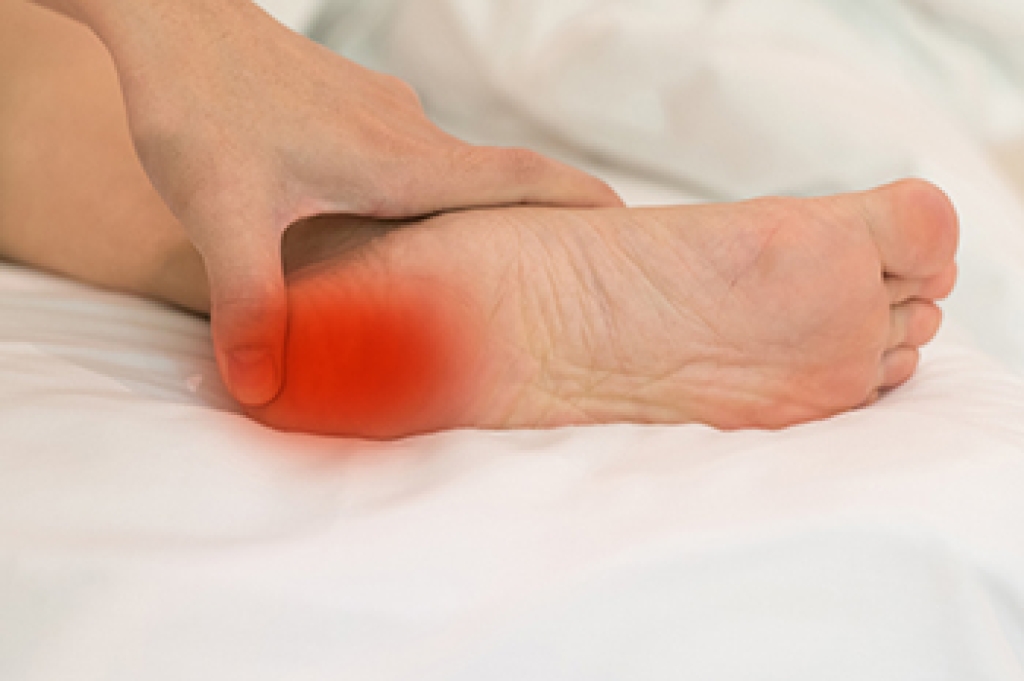
Sever's disease affects children and teens, causing pain in the heel due to inflammation of the growth plate where the Achilles tendon attaches. It often develops during periods of rapid growth or increased physical activity, placing repeated stress on the heel. Symptoms include heel pain that worsens with running, jumping, or prolonged standing. Swelling and tenderness at the back of the heel are other symptoms. Risk factors include participation in sports, tight calf muscles, flat feet, and improper footwear that does not provide adequate support. Without proper care, discomfort may limit activity and affect mobility. A podiatrist can help by assessing foot mechanics, recommending supportive footwear or orthotics, and providing treatment to relieve pain. If your active child has heel pain, it is suggested that you consult a podiatrist who can offer appropriate relief solutions.

Sever's disease often occurs in children and teens. If your child is experiencing foot or ankle pain, see Dr. Stephen Petrofsky from Florida. Our doctor can treat your child’s foot and ankle needs.

Sever’s Disease

Sever’s disease is also known as calcaneal apophysitis, which is a medical condition that causes heel pain I none or both feet. The disease is known to affect children between the ages of 8 and 14.

Sever’s disease occurs when part of the child’s heel known as the growth plate (calcaneal epiphysis) is attached to the Achilles tendon. This area can suffer injury when the muscles and tendons of the growing foot do not keep pace with bone growth. Therefore, the constant pain which one experiences at the back of the heel will make the child unable to put any weight on the heel. The child is then forced to walk on their toes.

Symptoms

Acute pain – Pain associated with Sever’s disease is usually felt in the heel when the child engages in physical activity such as walking, jumping and or running.

Highly active – Children who are very active are among the most susceptible in experiencing Sever’s disease, because of the stress and tension placed on their feet.

If you have any questions, please feel free to contact our office located in Port Charlotte, FL . We offer the newest diagnostic and treatment technologies for all your foot care needs.

Read more about Sever's Disease

Heel Pain May Indicate Plantar Fasciitis

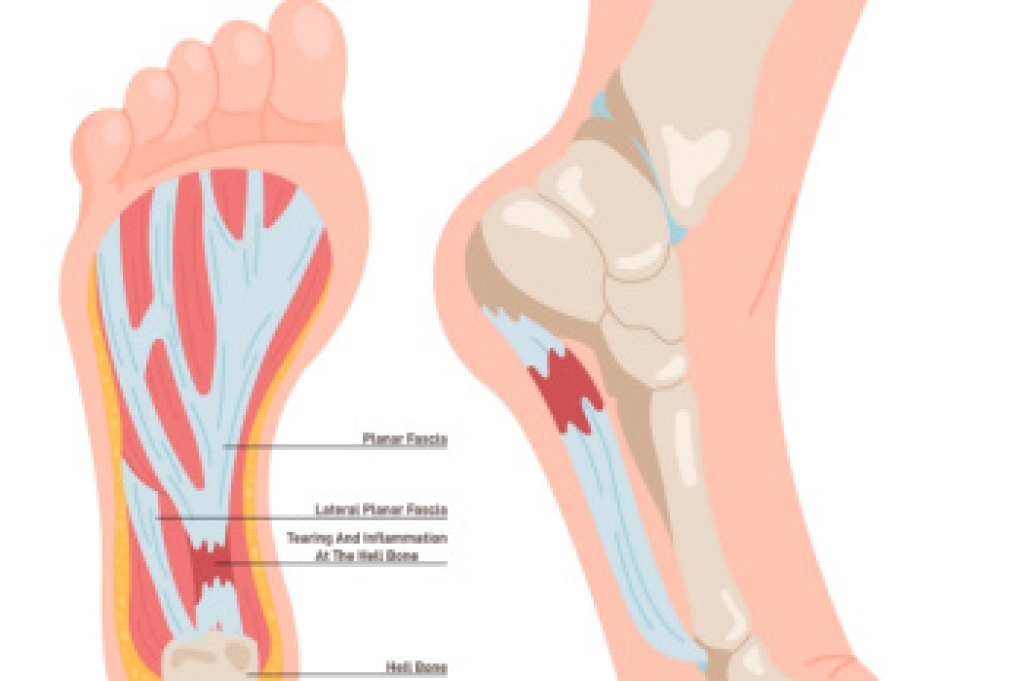
Plantar fasciitis is a common foot condition that involves inflammation of the plantar fascia, the thick band of tissue that supports the arch and connects the heel to the toes. It affects approximately one person in ten and is a leading cause of heel pain. Causes involve repetitive strain, prolonged standing, and wearing improper footwear. Risk factors include high or low arches, obesity, and tight calf muscles. A key symptom is sharp heel pain, especially with the first steps in the morning, or after rest. A podiatrist can diagnose the condition, provide custom treatment plans, and recommend supportive therapies. If you have heel pain, it is suggested that you promptly consult a podiatrist who can accurately diagnose and treat plantar fasciitis.

Plantar fasciitis is a common foot condition that is often caused by a strain injury. If you are experiencing heel pain or symptoms of plantar fasciitis, contact Dr. Stephen Petrofsky from Florida. Our doctor can provide the care you need to keep you pain-free and on your feet.

What Is Plantar Fasciitis?

Plantar fasciitis is one of the most common causes of heel pain. The plantar fascia is a ligament that connects your heel to the front of your foot. When this ligament becomes inflamed, plantar fasciitis is the result. If you have plantar fasciitis you will have a stabbing pain that usually occurs with your first steps in the morning. As the day progresses and you walk around more, this pain will start to disappear, but it will return after long periods of standing or sitting.

What Causes Plantar Fasciitis?

  • Excessive running
  • Having high arches in your feet
  • Other foot issues such as flat feet
  • Pregnancy (due to the sudden weight gain)
  • Being on your feet very often

There are some risk factors that may make you more likely to develop plantar fasciitis compared to others. The condition most commonly affects adults between the ages of 40 and 60. It also tends to affect people who are obese because the extra pounds result in extra stress being placed on the plantar fascia.

Prevention

  • Take good care of your feet – Wear shoes that have good arch support and heel cushioning.
  • Maintain a healthy weight
  • If you are a runner, alternate running with other sports that won’t cause heel pain

There are a variety of treatment options available for plantar fasciitis along with the pain that accompanies it. Additionally, physical therapy is a very important component in the treatment process. It is important that you meet with your podiatrist to determine which treatment option is best for you.

If you have any questions, please feel free to contact our office located in Port Charlotte, FL . We offer the newest diagnostic and treatment technologies for all your foot care needs.
 

Read more about Plantar Fasciitis

It's Time for Beautiful Feet

You don't need an excuse to have beautiful nails. Step outside without worrying about the appearance of your feet.

Ingrown Toenail Facts

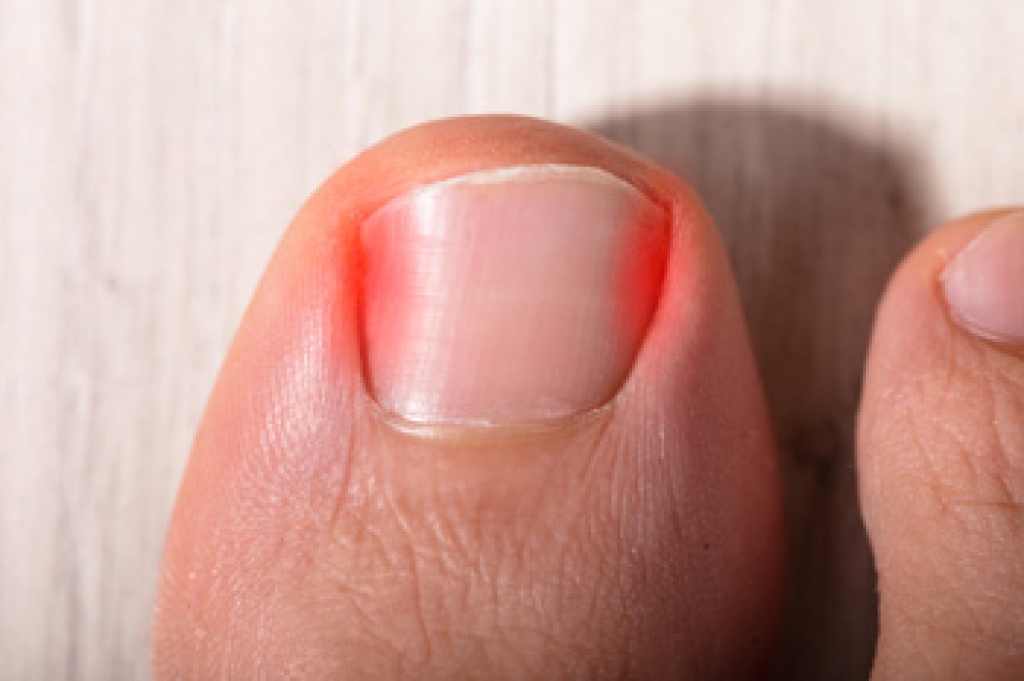
An ingrown toenail occurs when the edge of a toenail grows into the surrounding skin, leading to pain and inflammation. This condition is often caused by improper nail trimming, toe injuries, genetic factors, or repetitive foot stress from activities like running or wearing tight shoes. Risk factors include curved nails, poor foot hygiene, and excessive pressure on the toes. Symptoms include pain along the nail edge, redness, swelling, and sometimes infection with drainage. Without proper care, an ingrown toenail can worsen and make walking uncomfortable. A podiatrist can safely treat ingrown toenails by relieving pressure, removing the affected portion of the nail, and preventing recurrence through proper care techniques. If you have symptoms of an ingrown toenail, it is suggested that you consult a podiatrist for treatment solutions, which may include minor surgery.

Ingrown toenails can become painful if they are not treated properly. For more information about ingrown toenails, contact Dr. Stephen Petrofsky of Florida. Our doctor can provide the care you need to keep you pain-free and on your feet.

Ingrown Toenails

Ingrown toenails occur when a toenail grows sideways into the bed of the nail, causing pain, swelling, and possibly infection.

Causes

  • Bacterial infections
  • Improper nail cutting such as cutting it too short or not straight across
  • Trauma to the toe, such as stubbing, which causes the nail to grow back irregularly
  • Ill-fitting shoes that bunch the toes too close together
  • Genetic predisposition

Prevention

Wearing proper fitting shoes and using proper cutting techniques will also help decrease your risk of developing ingrown toenails.

Treatment

Ingrown toenails are a very treatable foot condition. In minor cases, soaking the affected area in salt or antibacterial soaps will not only help with the ingrown nail itself, but also help prevent any infections from occurring. In more severe cases, surgery is an option. In either case, speaking to your podiatrist about this condition will help you get a better understanding of specific treatment options that are right for you.

If you have any questions, please feel free to contact our office located in Port Charlotte, FL . We offer the newest diagnostic and treatment technologies for all your foot care needs.

Read more about Ingrown Toenail Care

Morton’s Neuroma and Forefoot Pain

Morton’s neuroma is a painful condition involving thickened tissue around a nerve in the forefoot, often between the third and fourth toes. It is commonly seen in individuals who exercise frequently, especially with activities that involve repetitive pressure on the ball of the foot. Risk factors include tight footwear, high-impact movement, and foot structure imbalances. Symptoms include burning pain, tingling, numbness, or the sensation of standing on a small object. Without treatment, discomfort may worsen over time. A podiatrist can evaluate the condition, recommend footwear changes, and offer custom orthotics or advanced care. If you have pain in this part of your foot, it is suggested that you consult a podiatrist who can accurately diagnose and treat what may be going on.

Morton’s neuroma is a very uncomfortable condition to live with. If you think you have Morton’s neuroma, contact Dr. Stephen Petrofsky of Florida. Our doctor will attend to all of your foot care needs and answer any of your related questions.  

Morton’s Neuroma

Morton's neuroma is a painful foot condition that commonly affects the areas between the second and third or third and fourth toe, although other areas of the foot are also susceptible. Morton’s neuroma is caused by an inflamed nerve in the foot that is being squeezed and aggravated by surrounding bones.

What Increases the Chances of Having Morton’s Neuroma?

  • Ill-fitting high heels or shoes that add pressure to the toe or foot
  • Jogging, running or any sport that involves constant impact to the foot
  • Flat feet, bunions, and any other foot deformities

Morton’s neuroma is a very treatable condition. Orthotics and shoe inserts can often be used to alleviate the pain on the forefront of the feet. In more severe cases, corticosteroids can also be prescribed. In order to figure out the best treatment for your neuroma, it’s recommended to seek the care of a podiatrist who can diagnose your condition and provide different treatment options.

If you have any questions, please feel free to contact our office located in Port Charlotte, FL . We offer the newest diagnostic and treatment technologies for all your foot care needs.

Read more about What is Morton's Neuroma?
Connect with us