Blog

Benefits of In-Office Foot Surgery

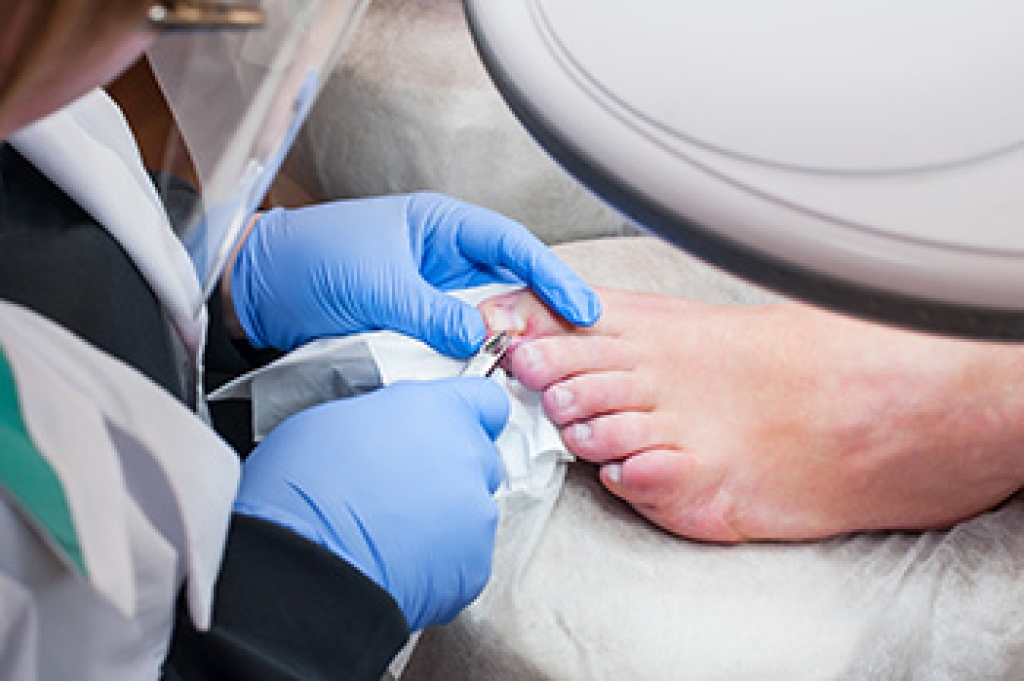
In-office foot surgery in podiatry involves minor to moderate procedures performed in a controlled clinical setting rather than in a hospital. These procedures commonly address conditions such as ingrown toenails, soft tissue lesions, and certain structural abnormalities of the foot. With advances in medical technology and the use of local anesthesia, podiatrists can safely and effectively perform many treatments within the office environment. This approach allows patients to receive prompt care while avoiding the added complexity and cost often associated with hospital-based surgery.

Symptoms that may lead to in-office surgical treatment typically include persistent pain, swelling, infection, or reduced mobility that does not respond to conservative measures. Conditions like chronic ingrown toenails, painful calluses or skin lesions, and localized tendon or soft tissue issues can significantly interfere with daily activities. When these symptoms persist or worsen over time, a minor surgical procedure may be recommended to relieve discomfort and restore normal function.

Certain factors make patients good candidates for in-office procedures. These include having a localized condition, being in generally good health, and not requiring extensive or invasive surgical correction. Delaying necessary care can increase the risk of complications, including worsening infection, greater pain, and further limitations in mobility. Early evaluation by a podiatrist helps determine the most appropriate treatment plan and whether an in-office procedure is suitable.

The benefits of in-office foot surgery include shorter recovery times, lower costs, and greater convenience. Patients often appreciate the familiar clinical setting, minimal downtime, and the ability to return home shortly after treatment. With proper aftercare and follow-up, outcomes are typically very successful. If you have a foot condition that may require surgery, it is suggested that you confer with a podiatrist who can determine whether an in-office procedure is the right option for your needs.

Foot surgery is sometimes necessary to treat a foot ailment. To learn more, contact Dr. Stephen Petrofsky of Florida. Our doctor will assist you with all of your foot and ankle needs.

When Is Surgery Necessary?

Foot and ankle surgery is generally reserved for cases in which less invasive, conservative procedures have failed to alleviate the problem. Some of the cases in which surgery may be necessary include:

  • Removing foot deformities like bunions and bone spurs
  • Severe arthritis that has caused bone issues
  • Cosmetic reconstruction

What Types of Surgery Are There?

The type of surgery you receive will depend on the nature of the problem you have. Some of the possible surgeries include:

  • Bunionectomy for painful bunions
  • Surgical fusion for realignment of bones
  • Neuropathy decompression surgery to treat nerve damage

Benefits of Surgery

Although surgery is usually a last resort, it can provide more complete pain relief compared to non-surgical methods and may allow you to finally resume full activity.

Surgical techniques have also become increasingly sophisticated. Techniques like endoscopic surgery allow for smaller incisions and faster recovery times.

If you have any questions, please feel free to contact our office located in Port Charlotte, FL . We offer the newest diagnostic and treatment technologies for all your foot care needs.
Read more about Foot Surgery

The Importance of Foot Protection While Working

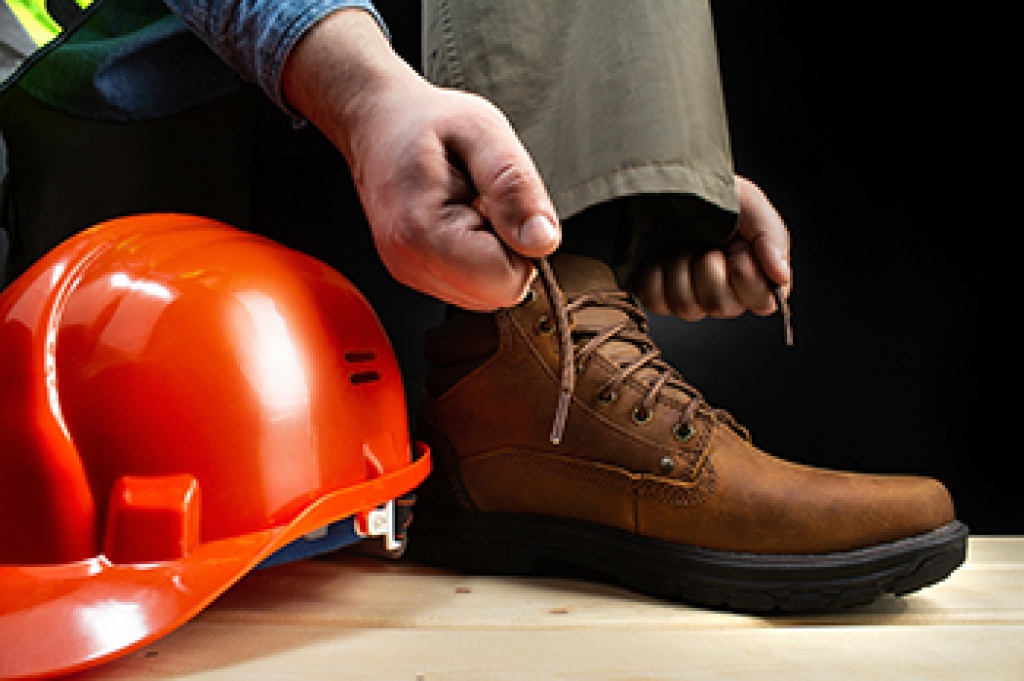
Construction workers depend on their feet for balance, stability, and movement throughout physically demanding workdays. Wearing proper safety shoes is essential for protecting the feet from common workplace hazards while improving comfort and performance. Construction sites often include heavy equipment, falling objects, sharp materials, slippery surfaces, and uneven ground. Safety footwear is designed to reduce injury risks with protective features such as reinforced toe caps, puncture resistant soles, and slip resistant outsoles that help provide dependable protection in challenging environments.

Wearing the wrong shoes at work can contribute to a variety of foot problems. Common symptoms include foot fatigue, heel pain, arch discomfort, blisters, calluses, and soreness in the ankles, knees, or lower back. Shoes that lack proper support or cushioning can increase stress on the feet and lead to overuse injuries. Poorly fitted footwear may also restrict movement, create pressure points, and reduce overall comfort during long hours on the job. Addressing discomfort early can help prevent more serious foot problems.

Construction workers face several risk factors for foot injuries, including prolonged standing, heavy lifting, repetitive movement, and exposure to uneven surfaces. Wearing low quality shoes without adequate support or protection can increase the chance of injury. Proper safety shoes with features such as steel or composite toe protection, puncture resistant midsoles, and slip resistant traction help defend against workplace hazards. A supportive fit also promotes better alignment and reduces unnecessary strain on the feet and legs.

Selecting the right safety footwear is an important part of maintaining long term foot health while working in construction. Shoes should provide a balance of protection, durability, cushioning, and proper support. If you have foot pain from wearing the wrong shoes at work, it is suggested that you consult a podiatrist for effective relief options and guidance on choosing appropriate footwear.

While working on the feet, it is important to take the proper care of them. For more information about working on your feet, contact Dr. Stephen Petrofsky from Florida. Our doctor will treat your foot and ankle needs.

Working on Your Feet

Standing on your feet for long periods of time can cause stress and pain in your feet. Your whole body may experience change in terms of posture, back pain, bunions, callouses and or plantar warts. There are ways to avoid these conditions with proper foot care, smart choices and correct posture.

Positive Changes

Negative heeled shoe – Choosing this shoe type places the heel slightly lower than the ball of the foot. These are great for overall foot health. Find shoes that fit you correctly.

Go barefoot – Our feet were not designed to be enclosed for all hours of the day. Try to periodically expose your feet to air.

Eliminate Pain

Foot Exercises – Performing simple exercises, incorporating yoga and doing stretches are beneficial. This will allow increased blood flow to the area and muscles of the foot.

Achilles tendon – Stretching the foot out flat on the floor will relax the calf muscles and tendon. These exercises can be performed almost anywhere. Make sure you add these exercises to your daily regimen. 

With a little bit of this information and knowing more about foot health, you will notice changes. Foot stretches and proper footwear will help with pain and prevent further issues.

If you have any questions please contact our office located in Port Charlotte, FL . We offer the newest diagnostic and treatment technologies for all your foot and ankle needs.

Read more about How to Handle a Long Work Day on Your Feet

Broken Toe Diagnosis and Recovery

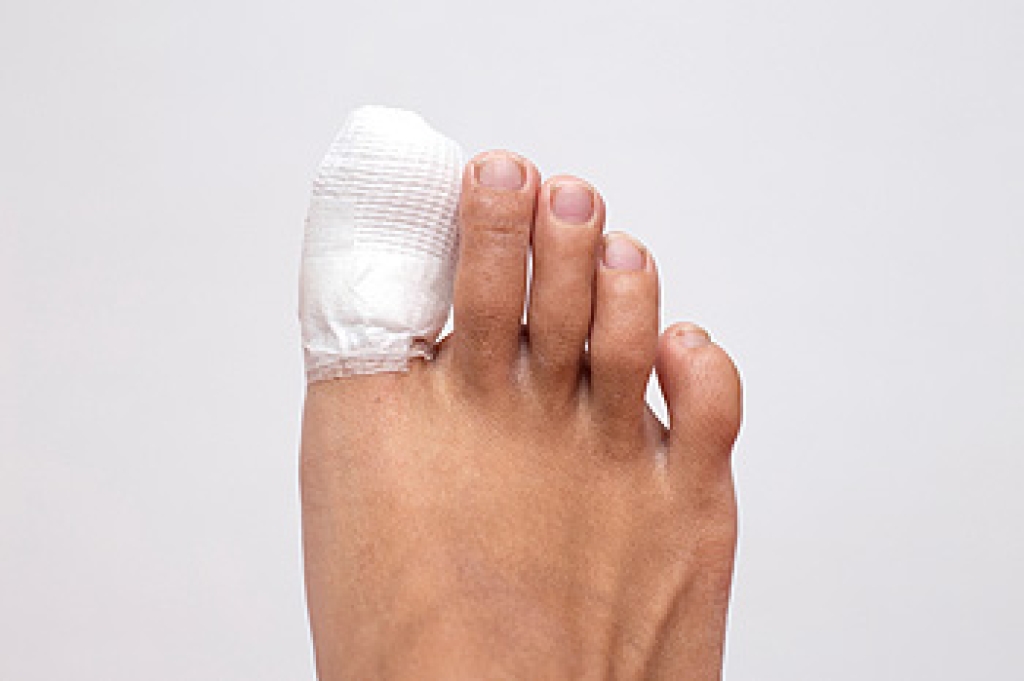
A broken toe occurs when one of the small bones in a toe fractures. This injury can happen after stubbing a toe, dropping a heavy object on the foot, or experiencing a sports-related accident. While some people assume a broken toe is a minor problem, it can cause significant discomfort and interfere with daily activities. Common broken toe symptoms include pain, swelling, bruising, tenderness, and difficulty walking. In some cases, the affected toe may appear crooked or out of alignment. Because these symptoms can also occur with a severe sprain, a professional evaluation is often needed to determine whether a toe fracture is present.


The severity of a broken toe can vary depending on the location and type of fracture. Some fractures involve a small crack in the bone, while others may cause the bone to shift out of place. A broken toe can make it difficult to wear shoes comfortably and may affect balance while walking. Without proper treatment, certain fractures may heal incorrectly, leading to ongoing pain, stiffness, or changes in toe position. Imaging studies such as X-rays are commonly used to confirm the diagnosis and evaluate the extent of the injury. Early diagnosis is important because it helps guide treatment decisions and supports proper healing.


A podiatrist is a foot and ankle specialist who can diagnose and treat broken toe injuries. During an examination, the podiatrist will assess symptoms, evaluate the alignment of the toe, and review imaging results to determine the most appropriate treatment plan. Depending on the severity of the fracture, treatment may involve immobilization, protective footwear, fracture management, or surgical care when necessary. Follow-up care is often important to ensure the bone heals correctly and normal foot function is restored. If you are experiencing toe pain, swelling, bruising, difficulty walking, or other signs of a broken toe, it is suggested that you consult a podiatrist for an evaluation and appropriate treatment options.

Broken toes may cause a lot of pain and should be treated as soon as possible. If you have any concerns about your feet, contact Dr. Stephen Petrofsky from Florida. Our doctor will treat your foot and ankle needs.

What Is a Broken Toe?

A broken toe occurs when one or more of the toe bones of the foot are broken after an injury. Injuries such as stubbing your toe or dropping a heavy object on it may cause a toe fracture.

Symptoms of a Broken Toe

  • Swelling
  • Pain (with/without wearing shoes)
  • Stiffness
  • Nail Injury

Although the injured toe should be monitored daily, it is especially important to have a podiatrist look at your toe if you have severe symptoms. Some of these symptoms include worsening or new pain that is not relieved with medication, sores, redness, or open wounds near the toe.

If you have any questions please feel free to contact our office located in Port Charlotte, FL . We offer the newest diagnostic tools and technology to treat your foot and ankle needs.

Read more about What to Know About a Broken Toe

Why Live with Pain and Numbness in Your Feet?

Suffering from this type of pain? You may have the foot condition known as Morton's neuroma. Morton's neuroma may develop as a result of ill-fitting footwear and existing foot deformities. We can help.

Why Flat Feet Can Cause Foot and Ankle Pain

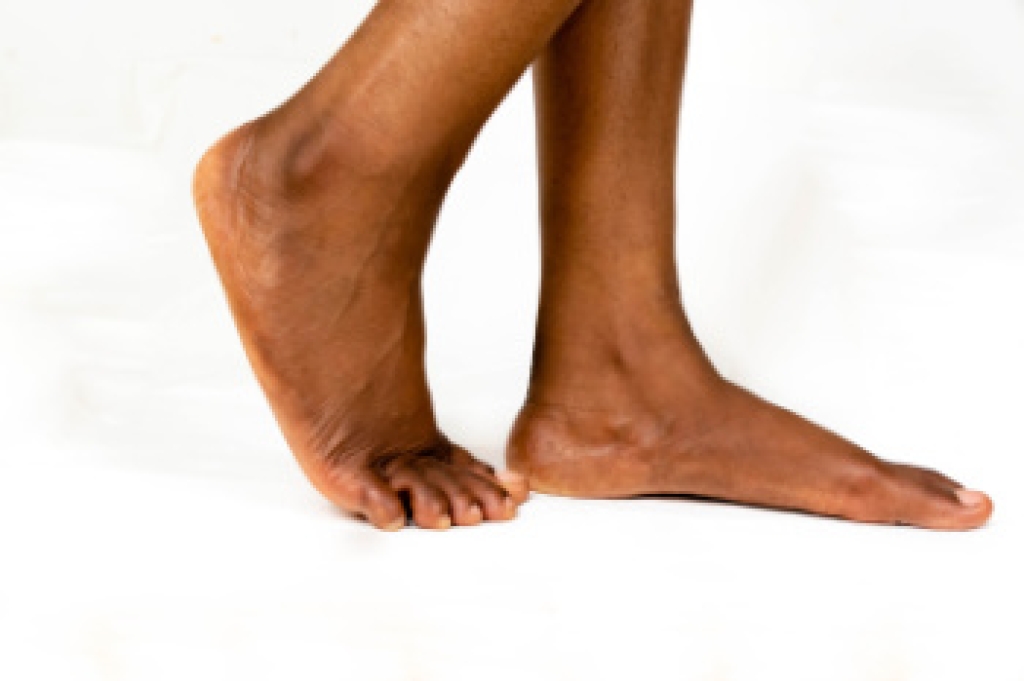
Flat feet occur when the arches of the feet are lower than normal or do not develop fully. In some people, the arches appear when they are sitting, but flatten when they stand. This is called flexible flatfoot because the arch changes position with movement. Many people with flat feet have no pain, but others develop discomfort after standing for long periods of time or while walking. Pain can affect the heel, ankle, or even the lower leg. The feet can also become tired more quickly during daily activities. Factors like inherited foot structure, injuries, and shoes that lack proper support can increase stress on the feet and contribute to symptoms.

A podiatrist can determine whether flat feet are causing your pain or whether another condition is responsible. The evaluation includes examining your feet while sitting, standing, and walking. Your podiatrist also checks how the ankles move and whether the arches change shape with movement. X-rays can show the position of the bones and help identify arthritis or other structural problems. In some cases, advanced imaging provides a closer look at the tendons and other soft tissues. A tendon is a strong band of tissue that connects muscle to bone. Finding the exact cause of pain helps your podiatrist develop the most effective treatment plan.

Treatment depends on the severity of the symptoms and the condition of the feet. A podiatrist can recommend custom orthotics to improve foot support and reduce strain on the arches. Orthotics are specially designed shoe inserts that help improve foot alignment and distribute pressure more evenly. Additional treatment includes supportive braces, or medication to reduce pain and inflammation. Some patients with severe deformity or long-lasting pain that does not respond to other treatments benefit from surgery. Early evaluation can improve comfort, protect foot function, and help prevent worsening problems. If you have symptoms of flat feet, it is suggested that you schedule an appointment with a podiatrist for effective relief and management tips.

Flatfoot is a condition many people suffer from. If you have flat feet, contact Dr. Stephen Petrofsky from Florida. Our doctor will treat your foot and ankle needs.

What Are Flat Feet?

Flatfoot is a condition in which the arch of the foot is depressed and the sole of the foot is almost completely in contact with the ground. About 20-30% of the population generally has flat feet because their arches never formed during growth.

Conditions & Problems:

Having flat feet makes it difficult to run or walk because of the stress placed on the ankles.

Alignment – The general alignment of your legs can be disrupted, because the ankles move inward which can cause major discomfort.

Knees – If you have complications with your knees, flat feet can be a contributor to arthritis in that area.  

Symptoms

  • Pain around the heel or arch area
  • Trouble standing on the tip toe
  • Swelling around the inside of the ankle
  • Flat look to one or both feet
  • Having your shoes feel uneven when worn

Treatment

If you are experiencing pain and stress on the foot you may weaken the posterior tibial tendon, which runs around the inside of the ankle. 

If you have any questions, please feel free to contact our office located in Port Charlotte, FL . We offer the newest diagnostic and treatment technologies for all your foot care needs.

Read more about Flat Feet
Connect with us